



What's Happening?
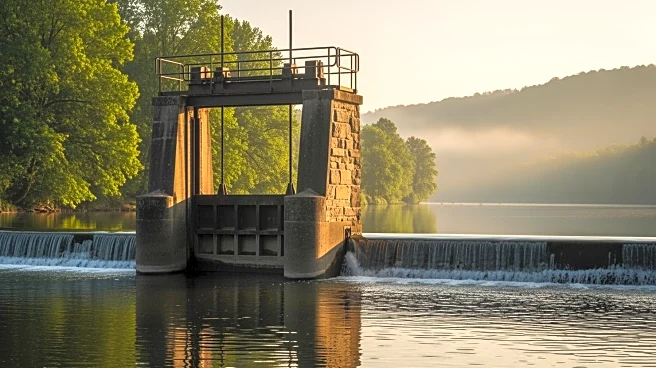
The Trump Administration, through the United States Department of Agriculture, has intervened in the Federal Energy Regulatory Commission (FERC) proceedings regarding the removal of the Potter Valley Project dams. These dams, owned by Pacific Gas and
Electric (PG&E), have not generated power for years. The Department of Agriculture filed a motion to halt the decommissioning process, citing concerns over water supply for local farmers and ranchers, particularly in the Potter Valley region. The intervention follows a letter from Secretary of Agriculture Brooke Rollins, expressing support for local farming interests. The decommissioning plan, filed by PG&E in July 2025, was part of a compromise solution led by Rep. Jared Huffman to support agriculture and population needs in Mendocino and Sonoma counties. However, local Farm Bureau chapters and the government of Lake County opposed the plan, leading to the Department's intervention.
Why It's Important?
The intervention by the Trump Administration highlights the ongoing conflict between environmental restoration efforts and agricultural water needs. The decision to halt the dam removal process could delay solutions for water supply issues in the Russian River Basin, affecting local communities and agricultural producers. The Department of Agriculture's stance emphasizes the importance of maintaining water supply for farming, but it also raises concerns about the impact on environmental restoration and firefighting capabilities in the region. The intervention could set a precedent for federal involvement in local environmental and agricultural disputes, potentially influencing future policy decisions and regulatory processes.
What's Next?
The Federal Energy Regulatory Commission will need to consider the Department of Agriculture's motion and the arguments presented against the decommissioning plan. This could lead to a prolonged regulatory process, affecting the timeline for resolving water supply issues in the region. Stakeholders, including local governments, environmental groups, and agricultural interests, are likely to continue lobbying for their respective positions. The outcome of this intervention could influence future federal and state policies on dam removal and water management, particularly in regions facing similar conflicts between environmental and agricultural needs.