





What's Happening?
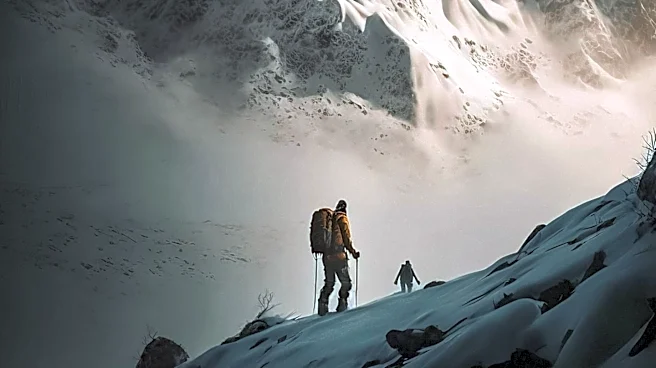
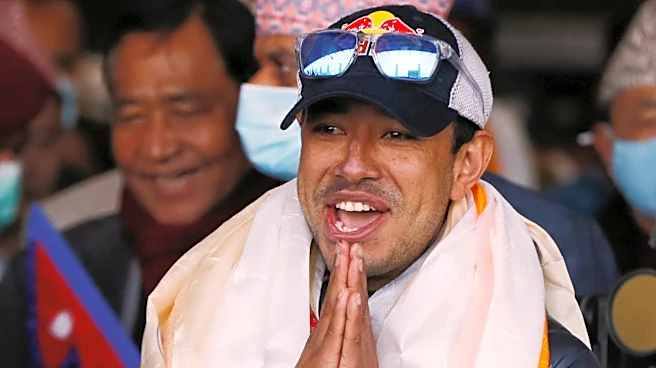
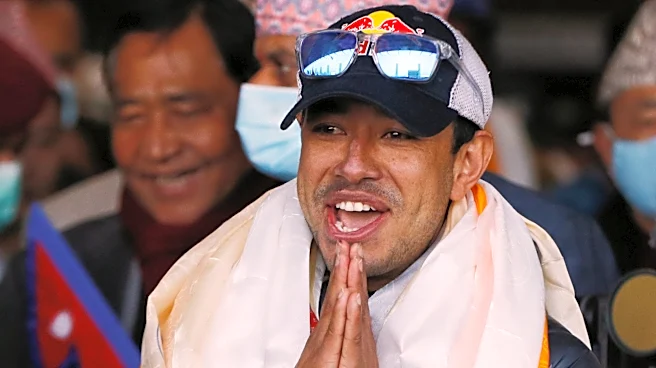
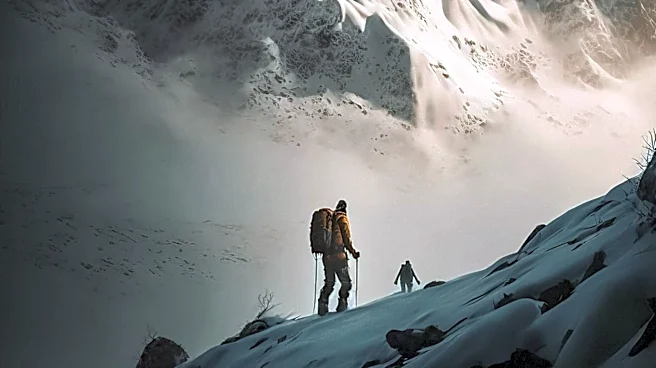
Acclaimed British-Nepali climber Nirmal Purja, known for his record-breaking mountaineering feats, has died in an avalanche on Pakistan's Broad Peak. Purja, aged 43, was a former member of Britain's Brigade of Gurkhas and the Special Boat Squadron of the Royal
Marines before dedicating himself to full-time mountaineering. He gained fame for summiting the world's 14 highest peaks in just over six months in 2019, a feat that was previously achieved over seven years. His climbing company, Elite Expeditions, confirmed his death along with nine other members of the expedition. Purja was known for his ambitious climbs, including the first winter ascent of K2 in 2021. Despite his achievements, he faced criticism for using guides, oxygen, and helicopters during his expeditions. His efforts were documented in a Netflix film, inspiring many in the climbing community.
Why It's Important?
Nirmal Purja's death is a significant loss to the mountaineering community, as he was a prominent figure who pushed the boundaries of what was considered possible in high-altitude climbing. His achievements inspired a new generation of climbers and brought attention to the challenges and risks associated with extreme mountaineering. The incident highlights the inherent dangers of climbing in the Karakoram range, known for its technical difficulty and harsh conditions. Purja's passing may prompt discussions on safety measures and the ethics of using supplemental oxygen and other aids in climbing. His legacy will likely continue to influence climbers and adventurers worldwide, emphasizing the importance of preparation and respect for nature's unpredictability.
What's Next?
The mountaineering community may see increased scrutiny on safety protocols and the use of technology in climbing expeditions. There could be calls for more stringent regulations or guidelines to ensure climbers' safety, especially in challenging terrains like the Karakoram range. Additionally, Purja's death might lead to a reevaluation of the risks associated with high-altitude climbing and the support systems available to climbers. His influence may inspire future climbers to pursue their own ambitious goals while considering the lessons learned from his experiences.
Beyond the Headlines
Nirmal Purja's story underscores the cultural and personal motivations behind extreme sports. His journey from a village in Nepal to becoming a world-renowned climber reflects the broader narrative of overcoming personal and societal challenges. The ethical debate surrounding the use of modern aids in climbing raises questions about the purity of the sport and the balance between ambition and safety. Purja's achievements and the circumstances of his death may lead to a deeper understanding of the psychological and physical demands of high-altitude climbing, as well as the cultural significance of mountaineering in Nepal and beyond.