



What's Happening?
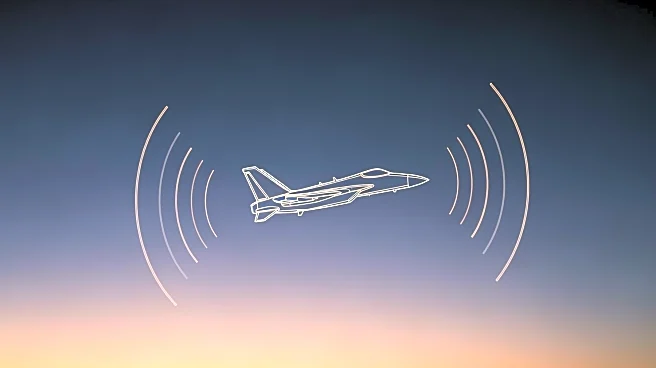
The U.S. Senate has passed a bipartisan bill mandating that military aircraft use Automatic Dependent Surveillance-Broadcast (ADS-B) technology to broadcast their locations. This legislative move comes in response to a deadly collision in January 2025
between an Army helicopter and an American Airlines jet over Washington, DC, which resulted in 67 fatalities. The bill aims to close a loophole that allowed military aircraft to fly without broadcasting their locations, a factor that contributed to the crash. The legislation, supported by Senators Ted Cruz and Maria Cantwell, seeks to align military flight operations with those of commercial airliners, particularly in congested airspaces like that around Washington, DC.
Why It's Important?
The passage of this bill is a critical step towards enhancing aviation safety and preventing future midair collisions. By requiring military aircraft to broadcast their locations, the bill addresses a significant safety gap that was highlighted by the January crash. This measure is expected to reduce the risk of similar incidents in the future, thereby protecting lives and improving public confidence in aviation safety. The bill also reflects a broader effort to ensure that military and civilian aviation operations are better coordinated, particularly in busy airspaces. The legislation could set a precedent for other safety measures in the aviation industry.
What's Next?
The bill will now move to the House of Representatives for consideration. If passed, it will be sent to the White House for approval. The Federal Aviation Administration (FAA) has already implemented interim measures to enhance safety around Washington, DC, and the new legislation will likely reinforce these efforts. The aviation industry and military will need to collaborate on implementing the new requirements, which may involve updating equipment and training personnel. The NTSB is also expected to release a final report on the January crash, which could provide further insights and recommendations for improving aviation safety.