







What's Happening?
Governor Tony Evers has issued a video message recognizing Indigenous Peoples' Day, which is celebrated on the second Monday of October in Wisconsin. The governor signed Executive Order #50 in 2019 to officially designate this day. In his message, Governor Evers highlighted
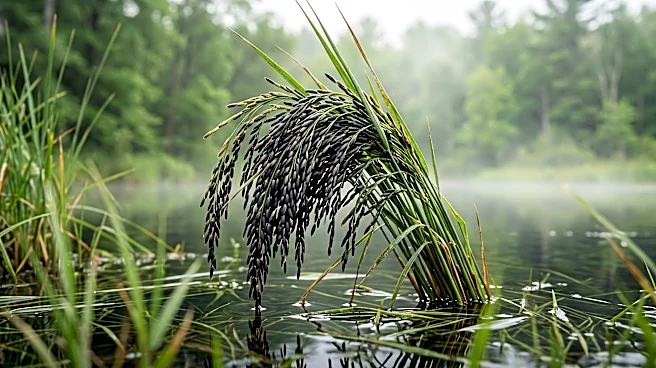
the historical presence of Indigenous communities in Wisconsin and their significant contributions to the state's culture, economy, and society. He reiterated his administration's commitment to respecting Tribal sovereignty, strengthening government-to-government relationships with the 12 Tribal Nations in Wisconsin, and honoring Treaty Rights. The administration has supported various initiatives, including Tribal language preservation through programs like the Dual-Language Sign Program, investments in educational programs, and efforts to support Tribal food sovereignty and access for elders. Additionally, the state has backed clean energy projects on Tribal lands to enhance energy sovereignty and invested in research and protection of wild rice, including the establishment of the Wild Rice Stewardship Council and the celebration of the first-ever Wild Rice Week. Millions have also been invested in healthcare, childcare, education, housing, and capital projects for Tribal communities.
Why It's Important?
The recognition of Indigenous Peoples' Day by Governor Evers and the state of Wisconsin is significant as it formally acknowledges the historical and ongoing contributions of Indigenous peoples, shifting focus from Columbus Day. This move underscores a broader national trend towards recognizing Indigenous heritage and sovereignty. The administration's active engagement in supporting Tribal Nations through specific initiatives like language preservation, food sovereignty, and clean energy projects demonstrates a commitment to tangible improvements in Indigenous communities. These efforts aim to address historical inequities and foster self-determination, which can lead to improved social, economic, and cultural outcomes for Tribal members. By emphasizing government-to-government relationships, Wisconsin is setting a precedent for how state governments can effectively partner with sovereign Tribal Nations, ensuring their voices are heard and their needs are met in state-level decision-making processes. This approach can also serve as a model for other states grappling with similar issues of Indigenous rights and recognition.
What's Next?
Governor Evers' administration is expected to continue its collaborative efforts with the 12 Tribal Nations in Wisconsin. Future initiatives will likely build upon existing programs in language preservation, food sovereignty, and sustainable energy. The ongoing commitment to monthly meetings with Tribal leaders suggests a sustained dialogue and partnership in addressing the needs of Indigenous communities. Wisconsinites are encouraged to learn about the history and culture of the Indigenous peoples who have protected the land for centuries, fostering greater understanding and respect across the state. The continued investment in Tribal communities is anticipated to further strengthen their cultural, economic, and social well-being, aligning with the governor's belief that the prosperity of Tribal communities contributes to the prosperity of the entire state. This ongoing engagement will likely involve further policy development and resource allocation aimed at supporting Tribal self-governance and community development.
Beyond the Headlines
The consistent recognition and active support for Indigenous Peoples' Day and Tribal sovereignty in Wisconsin reflect a deeper societal shift towards decolonization and reconciliation. This goes beyond mere symbolic gestures, as evidenced by concrete investments in language, food, and energy sovereignty. Such actions challenge historical narratives that have often marginalized Indigenous peoples and instead promote a more inclusive understanding of the state's history and identity. Ethically, it represents a commitment to rectifying past injustices and fostering equitable relationships. Legally, upholding Treaty Rights and engaging in government-to-government relations reinforces the sovereign status of Tribal Nations. Culturally, the preservation of Indigenous languages and traditions is vital for maintaining distinct identities and passing on invaluable heritage to future generations. This long-term commitment could inspire broader systemic changes in how Indigenous rights are understood and implemented across various sectors, from education to environmental policy, fostering a more just and equitable society.