






What's Happening?
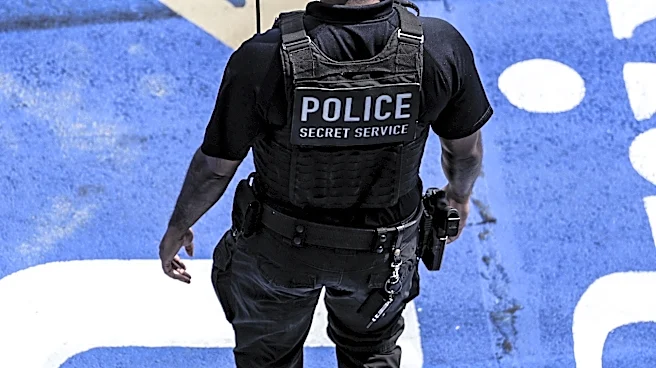
Gurugram's traffic police and home guards will undergo random transfers every 60 days, facilitated by an automated computerized system. This measure aims to enhance oversight and mitigate irregularities during traffic duty. Additionally, all traffic challan
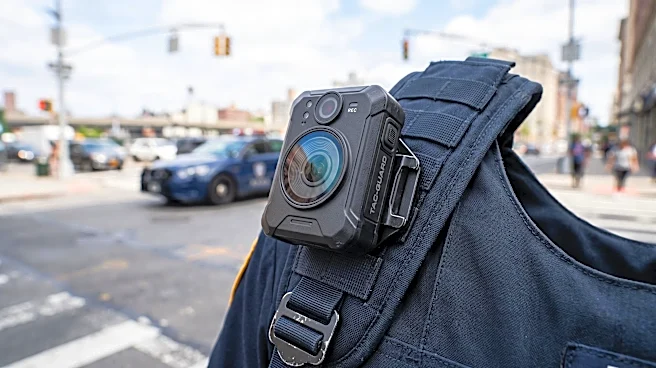
proceedings for road rule violations must now be conducted under the surveillance of body-worn cameras. These new directives follow an incident on November 7, where a home guard was arrested after a viral video showed him allegedly soliciting 'Diwali gifts' from a motorist. The police commissioner has instructed deputy commissioners and assistant commissioners to hold meetings with their subordinates, emphasizing a zero-tolerance policy for misconduct or corrupt practices. Zonal officers and traffic inspectors will also be held accountable for the conduct of personnel under their supervision. Furthermore, ACP-rank officers in the Police Control Room are tasked with regularly monitoring CCTV cameras to track police personnel's conduct. The Gurugram Metropolitan Development Authority's Integrated Command and Control Centre (ICCC) is involved in detecting traffic violations, including riding without helmets, and plans to expand its detection capabilities to include over-speeding by late November 2026. The Gurugram Traffic Police also intends to establish two new challan centers in the West Zone and Manesar.
Why It's Important?
These new policies are significant for several reasons. The bi-monthly transfer system is designed to disrupt potential networks of corruption and reduce opportunities for long-term illicit practices among traffic personnel. This could lead to a more impartial and fair enforcement of traffic laws, potentially improving public trust in the police force. The mandatory use of body-worn cameras for all challan proceedings introduces a crucial layer of transparency and accountability. This measure protects both citizens from potential harassment and officers from false accusations, as interactions will be recorded. The accountability placed on senior officers for their subordinates' conduct aims to foster a culture of integrity from the top down. For motorists, these changes could mean a more standardized and less arbitrary experience during traffic stops. The expansion of automated violation detection, such as for helmet use and future over-speeding, signifies a move towards technology-driven enforcement, which can be more objective but also raises questions about data privacy and potential for errors. The establishment of new challan centers suggests an effort to streamline the process of paying fines, potentially making it more convenient for residents.
What's Next?
In the immediate future, Gurugram traffic personnel will begin experiencing random transfers every 60 days, and the mandatory use of bodycams during challan proceedings will be enforced. The police department will likely conduct internal reviews and training sessions to ensure compliance with these new directives. The effectiveness of these measures in curbing corruption and improving public perception will be closely monitored. The Gurugram Metropolitan Development Authority's Integrated Command and Control Centre (ICCC) is slated to expand its automated detection capabilities to include over-speeding by the end of November 2026, which will further automate traffic enforcement. The establishment of two new traffic challan centers in the West Zone and Manesar is also planned, which will alter how and where citizens interact with the traffic police for violation payments. Public reaction to these changes, particularly regarding the increased use of technology for surveillance and enforcement, will be a key factor in how these policies evolve. There may also be increased scrutiny on the conduct of police personnel, with potential for more disciplinary actions if misconduct continues despite the new measures.
Beyond the Headlines
Beyond the immediate operational changes, these reforms in Gurugram reflect a broader societal push for greater transparency and accountability in public services, particularly law enforcement. The reliance on technology, such as bodycams and automated detection systems, signifies a growing trend in urban governance to leverage digital tools for efficiency and oversight. This shift, while aiming to reduce human error and corruption, also brings forth discussions about surveillance, data privacy, and the potential for algorithmic bias in enforcement. The emphasis on holding senior officers accountable for their teams' conduct could foster a more ethical leadership model within the police force, potentially leading to long-term cultural changes. This move could also influence other cities facing similar challenges with traffic enforcement and corruption, setting a precedent for how technology and administrative reforms can be integrated. The public's perception of fairness and justice in traffic enforcement is crucial for maintaining social order and trust in government institutions, and these measures are a direct response to that need, aiming to rebuild confidence after incidents of alleged misconduct.