



What's Happening?
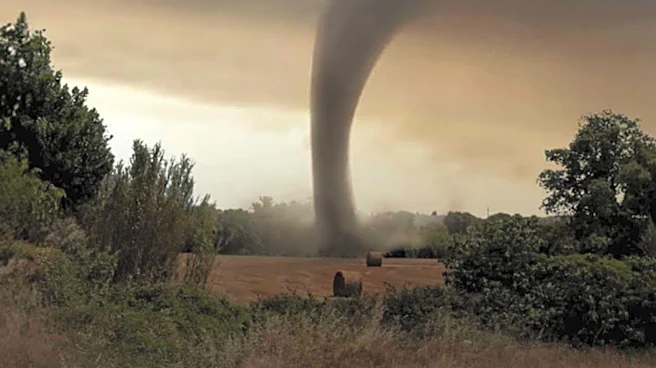
More than 50 million people in the Northeast and Mid-Atlantic regions of the United States are under threat from severe weather conditions this weekend. The National Weather Center has issued warnings for potential damaging winds, large hail, isolated
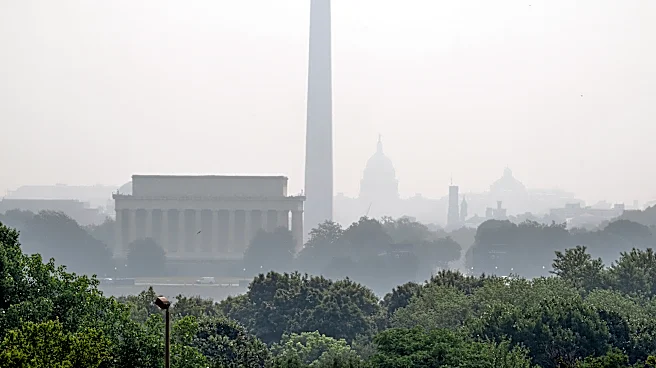
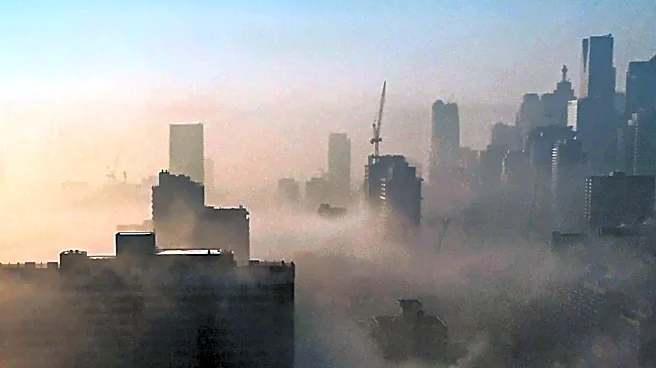
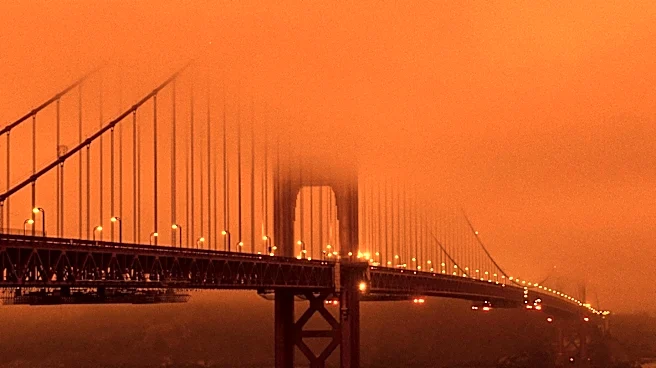
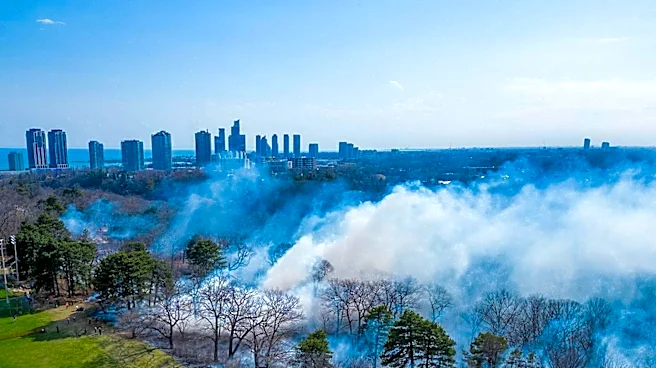
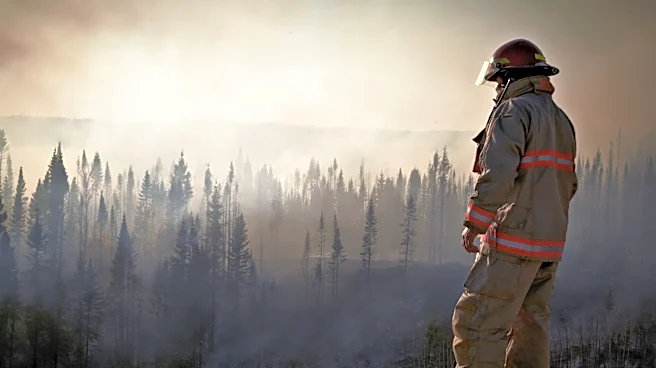
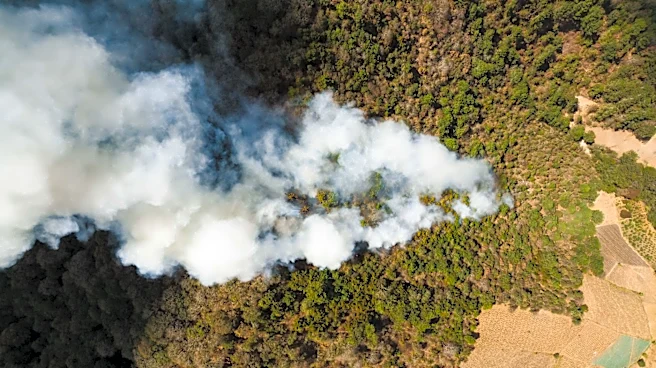
tornadoes, and flash flooding from the Ohio Valley through the Mid-Atlantic and Northeast. Cities such as New York City, Philadelphia, Washington D.C., Pittsburgh, and Cleveland are particularly at risk. This severe weather coincides with heavy smoke from wildfires in Canada and Minnesota, which has significantly impacted air quality across at least 19 states, including large parts of the Midwest and Northeast. The smoke has reduced visibility and created hazardous air pollution levels, affecting millions of residents. As a cold front moves through the region, conditions are expected to improve, potentially alleviating some of the air quality issues.
Why It's Important?
The combination of severe weather and poor air quality poses significant health and safety risks to millions of residents in the affected areas. The hazardous air pollution levels can exacerbate respiratory issues, particularly for vulnerable populations such as children, the elderly, and those with pre-existing health conditions. The severe weather conditions, including the risk of flash flooding and tornadoes, threaten infrastructure, homes, and businesses, potentially leading to significant economic losses. The situation underscores the broader challenges posed by climate change, as extreme weather events and wildfires become more frequent and intense, impacting public health, safety, and economic stability.
What's Next?
As the cold front progresses, weather conditions in the Northeast are expected to improve, which may help clear the smoke and improve air quality. However, residents are advised to remain vigilant and prepared for potential severe weather events, including flash flooding and high winds. Emergency services and local authorities are likely to continue monitoring the situation closely, providing updates and guidance to ensure public safety. In Texas, recovery efforts are ongoing following recent deadly flooding, with the Texas National Guard involved in rescue and medical transport operations. The situation highlights the need for continued investment in infrastructure resilience and emergency preparedness to mitigate the impacts of such extreme weather events in the future.