




What's Happening?
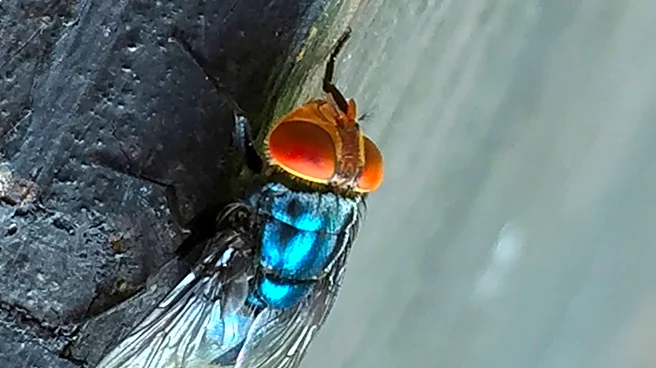
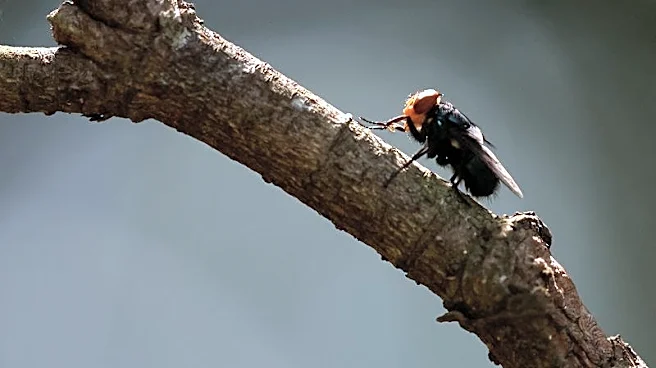
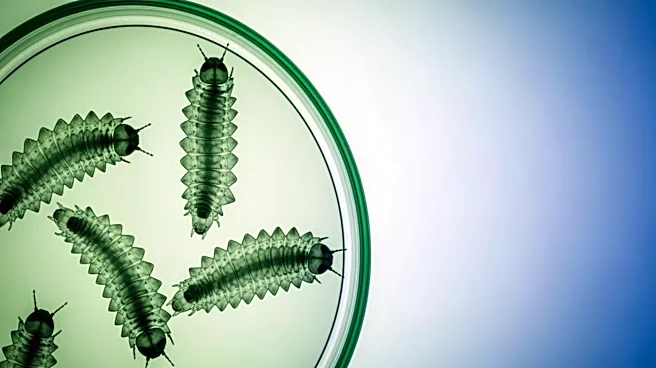
The U.S. Department of Agriculture has confirmed the presence of the New World screwworm fly in a calf in La Pryor, Texas, marking the first detection in decades. This parasite, known for its flesh-eating larvae, poses a threat to the cattle industry.
A 12-mile quarantine zone has been established to prevent the movement of warm-blooded animals, including pets, without inspection. The USDA has been proactive in preventing the fly's spread by releasing sterile flies to mate with wild females, a method previously successful in eradicating the pest. The USDA remains confident that there is no threat of a mass infestation.
Why It's Important?
The detection of the screwworm fly in Texas is significant due to its potential impact on the cattle industry, which could face substantial economic losses if the pest spreads. The USDA's swift response, including the establishment of a quarantine zone and the release of sterile flies, aims to prevent a widespread outbreak. The situation highlights the importance of biosecurity measures in protecting livestock and the agricultural economy. The fly's presence near the U.S.-Mexico border underscores the need for continued vigilance and cooperation between countries to manage and mitigate agricultural pests.
What's Next?
The USDA will continue monitoring the situation closely, with ongoing efforts to control the screwworm fly population through the release of sterile flies. The construction of a new screwworm fly factory in Texas and the conversion of a facility in Mexico for breeding sterile flies are part of long-term strategies to prevent future outbreaks. Ranchers and pet owners in the quarantine zone are urged to comply with restrictions to aid in containment efforts. The USDA's actions and the cooperation of local stakeholders will be crucial in preventing the establishment of the pest in the U.S.