







What's Happening?
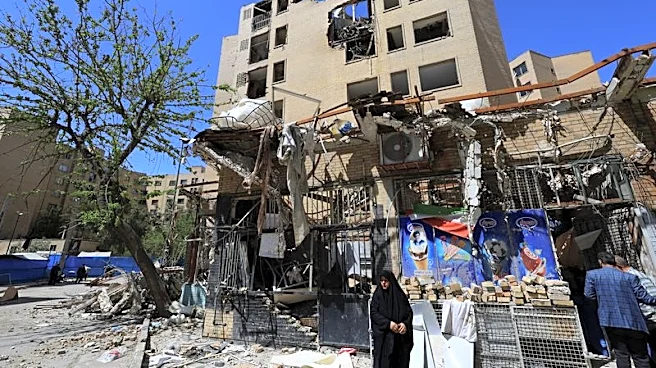
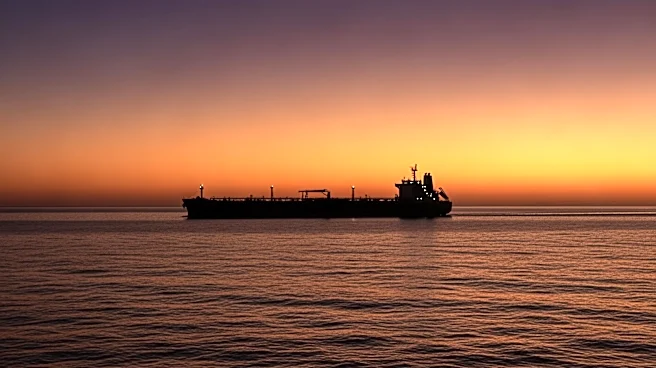
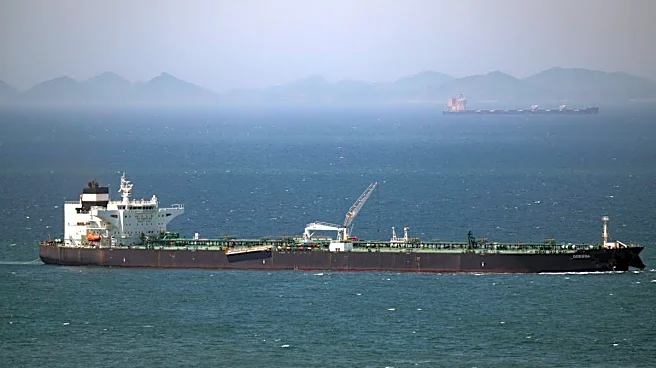
Oil exports through the Strait of Hormuz may not return to pre-war levels due to ongoing geopolitical tensions. The strait, a critical chokepoint for global energy markets, has seen reduced traffic following Iran's control during the conflict with the U.S.
and Israel. The blockade has caused significant disruptions, with Iran leveraging its position to consolidate control over the strait. Analysts suggest that even if a resolution is reached, traffic may only recover to 60-70% of previous volumes, with Western vessels requiring bilateral agreements with Iran for passage.
Why It's Important?
The Strait of Hormuz is vital for global energy supply, with about 20% of the world's oil and liquefied natural gas passing through it. Prolonged disruptions could have significant implications for global energy markets, potentially leading to increased prices and economic instability. The situation underscores the vulnerability of global trade routes to geopolitical conflicts and the need for alternative energy supply strategies. It also highlights the strategic importance of the region and the potential for further geopolitical tensions.
What's Next?
The future of oil exports through Hormuz depends on geopolitical developments and potential agreements between involved parties. The U.S. and its allies may need to negotiate terms that ensure safe passage for commercial vessels. Meanwhile, countries may seek to diversify their energy supply routes to mitigate risks. The situation remains fluid, with the potential for further disruptions if tensions escalate.