









What's Happening?
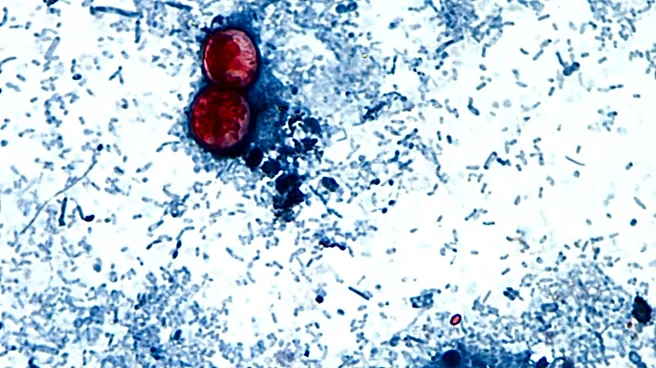
The United States is experiencing a surge in cases of cyclosporiasis, an intestinal illness caused by the microscopic parasite Cyclospora cayetanensis. This parasite is typically contracted through the consumption of food or water contaminated with feces,
with fresh produce like strawberries often being implicated. The Centers for Disease Control and Prevention (CDC) is currently investigating this multistate outbreak, which has seen hundreds of cases reported in states such as Michigan. Symptoms of cyclosporiasis include watery diarrhea, cramping, nausea, fatigue, and low-grade fever, appearing two to 14 days after exposure. While the illness is not usually life-threatening, it can be prolonged if untreated, lasting from a few days to over a month. The CDC advises that direct person-to-person transmission is unlikely, as the parasite requires one to two weeks outside the body to become infectious.
Why It's Important?
The rise in cyclosporiasis cases highlights significant public health concerns regarding food safety and the handling of fresh produce in the U.S. The outbreak underscores the importance of proper food handling practices to prevent contamination and protect public health. The economic impact could be substantial, affecting the agricultural sector, particularly producers of fresh fruits and vegetables. Consumers may face increased prices or reduced availability of certain produce items as safety measures are implemented. Additionally, healthcare systems may experience increased demand for services as more individuals seek treatment for the illness. The situation calls for heightened awareness and preventive measures among consumers and producers alike to mitigate the spread of the infection.
What's Next?
As the CDC continues its investigation, it is likely that further guidance will be issued to both consumers and producers on how to handle produce safely to prevent further cases. Health officials may recommend enhanced screening and sanitation processes for produce suppliers. Consumers are advised to wash produce thoroughly and follow CDC guidelines to reduce the risk of infection. The agricultural industry may need to implement stricter safety protocols to ensure the cleanliness of produce before it reaches consumers. Ongoing monitoring and reporting of new cases will be crucial in managing the outbreak and preventing future occurrences.