





What's Happening?
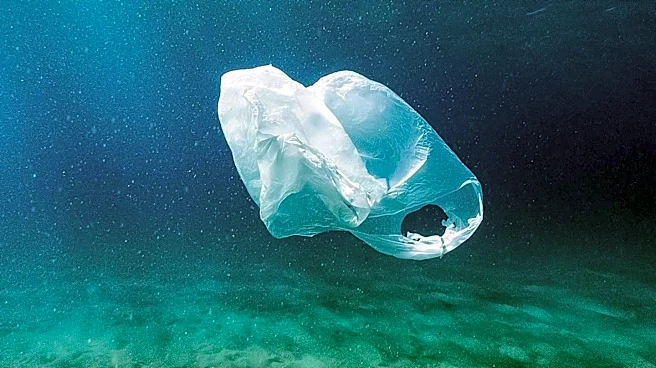
Leaders of the Pacific Islands Forum have renewed their call for an ambitious, comprehensive, and legally binding global agreement to address plastic pollution. This agreement is sought to cover the entire life cycle of plastics, from their production
to their eventual disposal as waste. A key focus of their demand is the need for the treaty to specifically tackle existing plastic pollution in the marine environment. The Forum also reaffirmed its commitment to preventing marine litter and plastic pollution, emphasizing the protection of the Pacific Ocean's health and its inhabitants. Additionally, the leaders advocated for collaboration on a Regional Extended Producer Responsibility Framework, tailored for Pacific economies that heavily rely on imported goods. This collective stance underscores the urgency and severity of plastic pollution as perceived by the nations most directly impacted by marine environmental degradation.
Why It's Important?
This call from Pacific leaders highlights the disproportionate impact of global plastic pollution on small island developing states and their critical marine ecosystems. The emphasis on a legally binding and comprehensive treaty signifies a demand for accountability and concrete actions from all nations, rather than voluntary commitments. For the U.S. and other major economies, this could translate into increased pressure to regulate plastic production, improve waste management infrastructure, and potentially contribute to international funds for cleanup efforts. The proposed Extended Producer Responsibility Framework could also influence global manufacturing and trade practices, requiring producers to take responsibility for the entire lifecycle of their products, including packaging. This initiative could drive innovation in sustainable materials and packaging, affecting industries from manufacturing to retail and potentially increasing costs for businesses that rely heavily on single-use plastics. The health of the Pacific Ocean is vital for global climate regulation, biodiversity, and the livelihoods of millions, making this a critical environmental and economic issue.
What's Next?
The renewed call from Pacific leaders will likely add momentum to ongoing international negotiations for a global plastics treaty. These negotiations, which began in March 2022 under the UN Environmental Assembly, are expected to continue with increased urgency. Stakeholders, including environmental organizations, industry groups, and national governments, will likely intensify their lobbying efforts to shape the treaty's scope and enforceability. The U.S. government will face decisions on its level of commitment to such a treaty, balancing environmental concerns with economic implications for its industries. Future discussions will likely focus on specific mechanisms for reducing plastic production, improving recycling and waste management, and funding marine cleanup operations. The development of a Regional Extended Producer Responsibility Framework for Pacific economies could serve as a model or precedent for similar initiatives in other regions, further influencing global supply chains and product design.
Beyond the Headlines
The push for a legally binding plastics treaty extends beyond immediate environmental concerns, touching upon issues of environmental justice and global equity. Pacific island nations, despite contributing minimally to global plastic production, bear a significant brunt of its consequences, including threats to food security, tourism, and cultural heritage. A robust treaty could establish a precedent for holding major polluting nations and corporations accountable for their environmental footprint, potentially leading to new international legal frameworks for environmental reparations or aid. Furthermore, the emphasis on the full life cycle of plastics challenges the current linear economic model of 'take-make-dispose,' promoting a more circular economy. This shift could foster significant technological advancements in material science, waste-to-resource technologies, and sustainable consumption patterns, fundamentally altering how goods are produced, consumed, and managed worldwide. The success of such a treaty could redefine international environmental governance and cooperation.