






What's Happening?
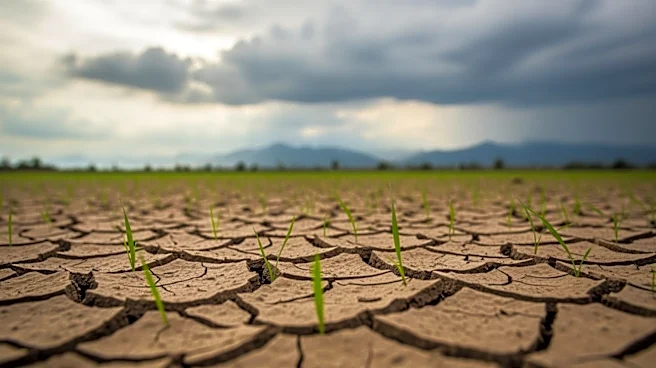
The Indian agricultural sector is facing a challenging period due to a forecasted below-normal monsoon and ongoing geopolitical tensions in West Asia. The India Meteorological Department (IMD) predicts the 2026 Southwest Monsoon will bring only 92% of
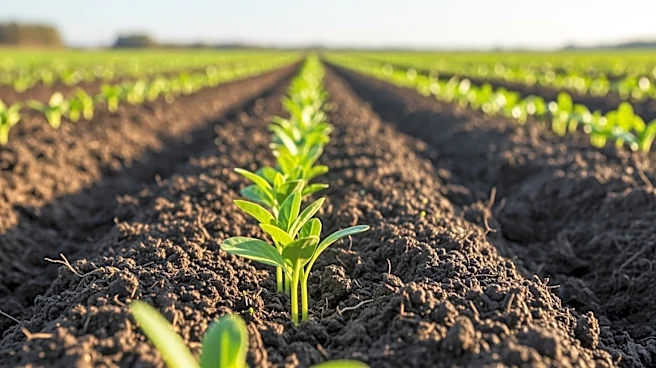
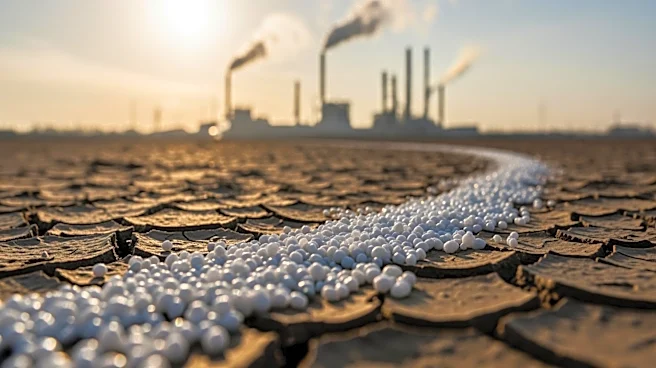
the Long Period Average rainfall, marking the lowest initial forecast in 25 years. This situation is compounded by disruptions in gas supplies from West Asia, affecting the availability and cost of essential agricultural inputs like fertilizers. The Bank of Baroda highlights the critical role of monsoon rains in determining agricultural output and rural economic growth, with significant implications for kharif and rabi crop production.
Why It's Important?
The forecasted below-normal monsoon and geopolitical tensions pose significant risks to India's agricultural sector, which is heavily reliant on monsoon rains for crop production. A shortfall in rainfall can lead to reduced agricultural output, impacting rural incomes and consumption. The situation is further exacerbated by disruptions in the supply of agricultural inputs due to the West Asia conflict, potentially increasing production costs. These challenges could affect the broader Indian economy, given agriculture's contribution to GDP and its role in sustaining rural livelihoods. The situation underscores the need for effective water management and diversification of input sources to mitigate risks.
What's Next?
As the monsoon season approaches, stakeholders in India's agricultural sector will closely monitor weather patterns and geopolitical developments. The IMD is expected to release a more refined forecast in late May, which will provide further insights into the monsoon's potential impact. Policymakers and agricultural businesses may need to explore strategies to enhance irrigation infrastructure and secure alternative sources of agricultural inputs to mitigate the effects of the forecasted shortfall. The situation also calls for increased investment in agricultural research and development to improve crop resilience and productivity under changing climatic conditions.