





What's Happening?
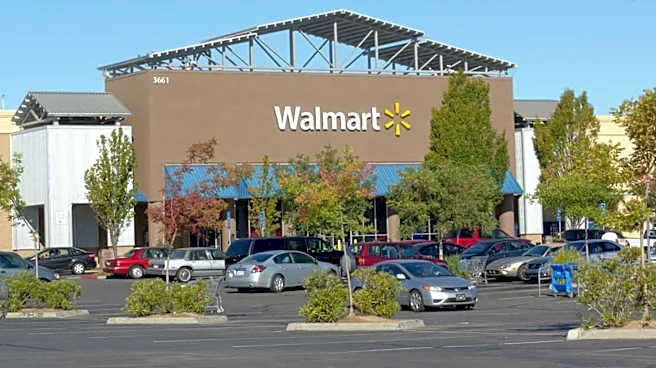
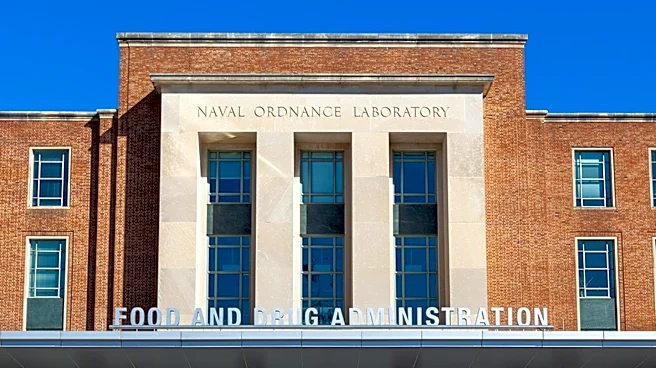
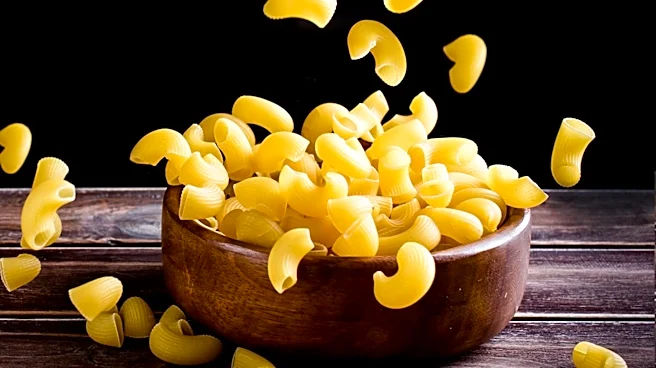
Walmart has initiated a nationwide recall of its Bettergoods frozen Authentic Italian Lemon Alfredo Fettuccine due to potential contamination with Listeria monocytogenes. The recall, announced by the Food and Drug Administration (FDA) in mid-September,
affects 22-ounce packages with UPC 194346442706 and specific lot codes L6079C and L6080C, with expiration dates of 9/19/2027 and 9/20/2027. Routine testing identified the bacteria in the products, prompting manufacturer Gias Foods to halt production while investigating the source of contamination. No illnesses have been reported in connection with this recall as of the announcement date. Consumers who have purchased the recalled pasta are advised not to consume it and can return it to any Walmart store for a full refund. Listeria can cause serious and potentially fatal illness, particularly in vulnerable populations such as children, older adults, and pregnant individuals, though anyone can be affected.
Why It's Important?
This recall underscores the persistent challenges in maintaining food safety within the extensive U.S. supply chain, even for major retailers like Walmart. Listeria contamination, while not always immediately causing severe symptoms, poses a significant public health risk, especially for immunocompromised individuals, the elderly, and pregnant women, where it can lead to life-threatening conditions such as meningitis or miscarriage. The proactive recall, initiated after routine testing, highlights the importance of robust food safety protocols and surveillance systems in preventing widespread outbreaks. For consumers, it emphasizes the necessity of paying attention to recall notices and understanding the risks associated with contaminated food products. For the food industry, it serves as a reminder of the critical need for stringent quality control and immediate action when potential contaminants are detected to protect public health and maintain consumer trust.
What's Next?
Following the recall, Gias Foods will continue its investigation to determine the source of the Listeria contamination and implement corrective actions to prevent future occurrences. The FDA will oversee this process to ensure compliance with food safety regulations. Consumers who have purchased the affected pasta should dispose of it or return it to Walmart for a refund. It is crucial for individuals who may have consumed the product and are experiencing symptoms such as fever, muscle aches, nausea, or diarrhea to seek medical attention. Public health officials will monitor for any reported illnesses linked to the recalled product. This incident may also prompt other food manufacturers and retailers to review their own testing and quality control procedures for frozen food products to mitigate similar risks.
Beyond the Headlines
The recall of Walmart's frozen pasta due to Listeria contamination highlights a broader issue within the food industry: the challenge of ensuring safety in complex, global supply chains. Listeria monocytogenes is particularly concerning because it can grow at refrigeration temperatures, making frozen and refrigerated ready-to-eat foods a common vector. This incident could lead to increased scrutiny of food processing environments and the effectiveness of sanitation protocols, especially for products that may not undergo further cooking by the consumer. Beyond the immediate health risks, such recalls can erode consumer confidence in private label brands and the overall safety of convenience foods. It also brings to light the ethical responsibility of food manufacturers and retailers to prioritize public health over production efficiency, reinforcing the need for continuous investment in advanced testing and traceability systems to safeguard the food supply.