


What's Happening?
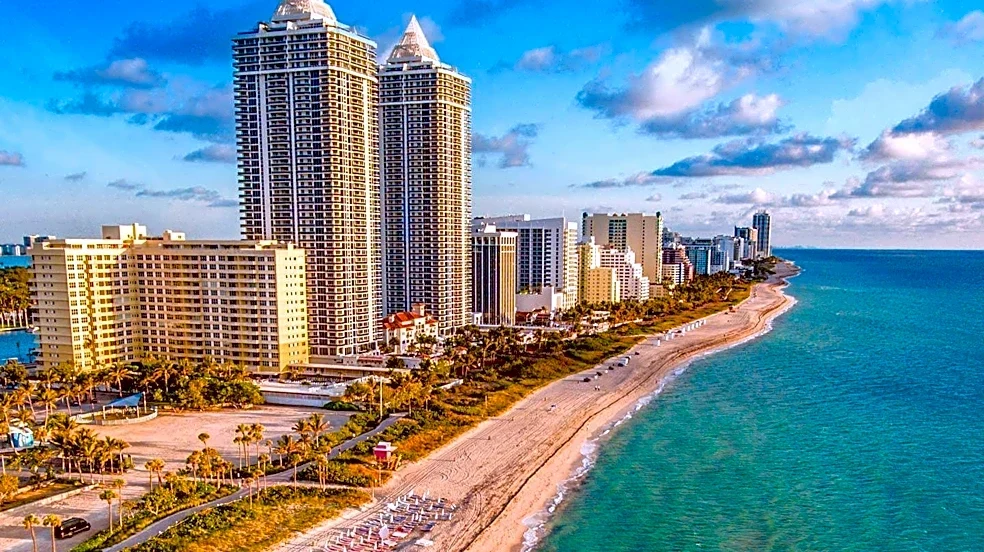
Miami-Dade County is maintaining its vigilance against mosquitoes and mosquito-borne illnesses as the fall season begins. Despite cooler temperatures and a tapering off of the rainy season, the Miami-Dade Department of Solid Waste Management’s (DSWM)
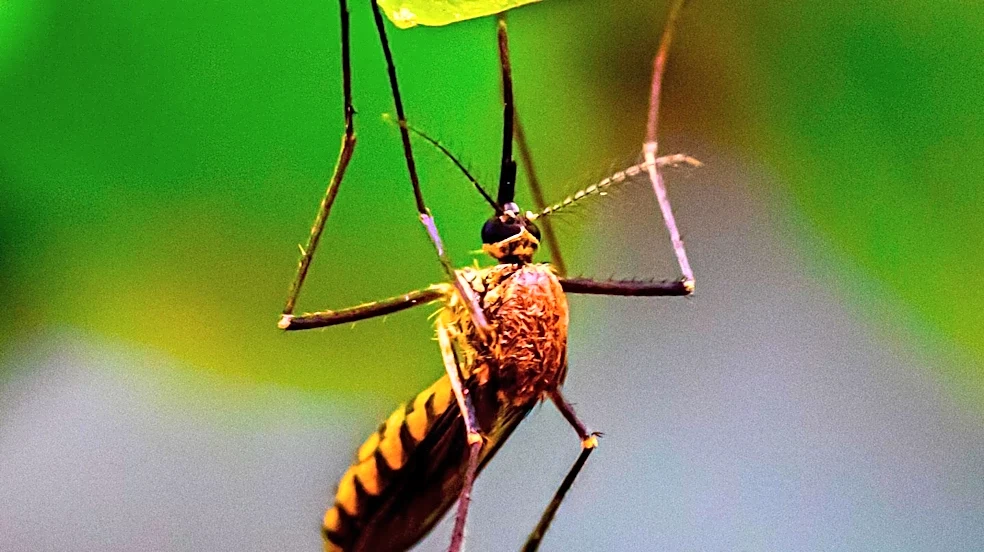
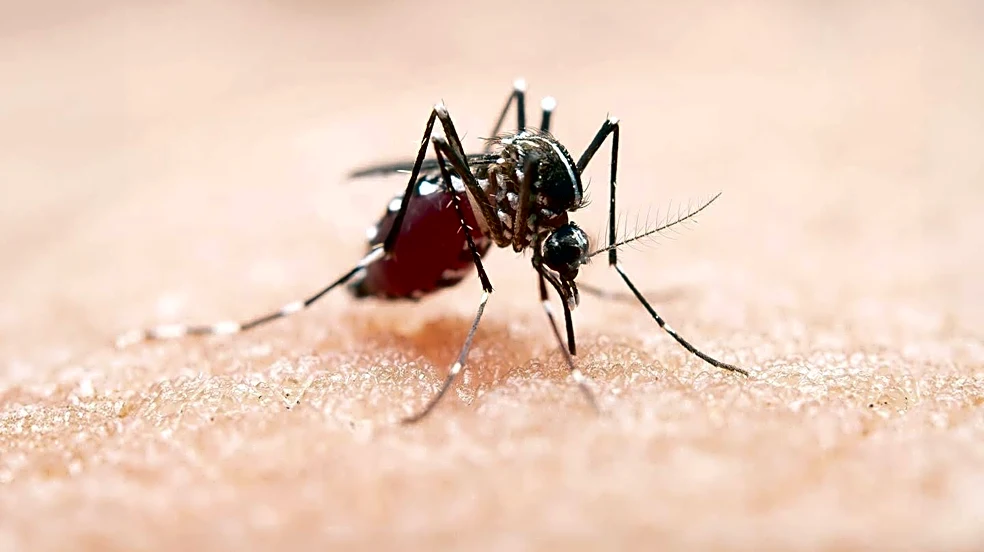
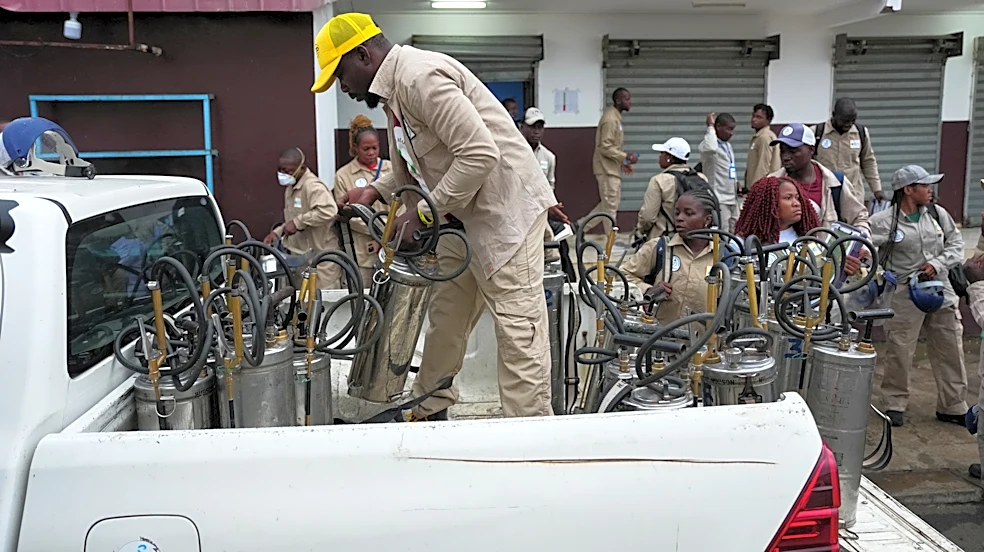
Mosquito Control Division continues its surveillance, inspections, and treatments. Miami-Dade County Mayor Daniella Levine Cava emphasized the ongoing need for residents to drain standing water to prevent mosquito breeding and to use EPA-registered repellents. The county is currently under a mosquito-borne illness alert due to confirmed local cases of dengue. In response, the division is conducting area-wide truck spray treatments with a larvicide containing Bti (Bacillus thuringiensis israelensis) to target mosquito larvae, alongside truck spraying for adult mosquitoes. The division collaborates with the Florida Department of Health (FDOH) for aggressive treatment of suspected and confirmed disease cases, and with universities for research on pesticide resistance and viral detection.
Why It's Important?
The continuous mosquito control efforts in Miami-Dade County are crucial for public health, particularly given the persistent threat of mosquito-borne diseases like dengue, chikungunya, Zika, and yellow fever. The county's proactive approach, even during cooler months, highlights the year-round nature of this public health challenge in subtropical regions of the U.S. The presence of a mosquito-borne illness alert and confirmed dengue cases underscores the immediate risk to residents and the importance of sustained intervention. Effective mosquito control prevents outbreaks, reduces healthcare burdens, and protects vulnerable populations. The collaboration between local government, health departments, and academic institutions demonstrates a comprehensive strategy for managing vector-borne diseases, which is vital for safeguarding community well-being and economic stability in affected areas. This ongoing effort also serves as a model for other U.S. regions facing similar environmental conditions and public health threats.
What's Next?
Miami-Dade County's Mosquito Control Division will continue its surveillance and treatment protocols, including servicing over 350 traps weekly, identifying and classifying mosquito data, and responding to resident requests for inspections. The division will maintain its collaboration with the Florida Department of Health to aggressively treat suspected and confirmed disease cases. Residents are urged to continue their personal protective measures, such as draining standing water and using repellents. The county's 311 Contact Center remains accessible for mosquito inspection requests. Future efforts will likely focus on adapting control strategies to changing environmental conditions and mosquito populations, as well as incorporating new research findings from their academic partnerships. The ongoing vigilance is expected to continue throughout the year, with public awareness campaigns reinforcing the importance of community participation in mosquito prevention.
Beyond the Headlines
The persistent challenge of mosquito control in Miami-Dade County reveals deeper implications regarding climate change, urbanization, and public health infrastructure. The fact that mosquito season 'never ends' in the region suggests a long-term shift in vector-borne disease patterns, potentially exacerbated by rising temperatures and altered precipitation. This necessitates a re-evaluation of traditional seasonal public health campaigns and a move towards year-round, integrated pest management strategies. The reliance on larvicides like Bti and adulticides raises questions about environmental impact and the potential for pesticide resistance, highlighting the need for continuous research into sustainable and effective control methods. Furthermore, the emphasis on community involvement—draining standing water, using repellents—underscores the critical role of individual responsibility in collective public health outcomes. This situation in Miami-Dade serves as a microcosm for how U.S. coastal communities must adapt their public health approaches to evolving ecological and climatic conditions to protect against endemic and emerging infectious diseases.