




What's Happening?
The International Court of Justice (ICJ) celebrated its 80th anniversary amidst growing concerns about the erosion of international law. United Nations Secretary-General António Guterres highlighted the challenges faced by the court, emphasizing the need
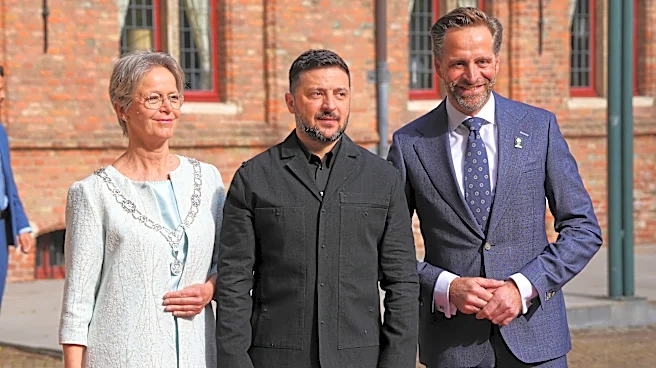
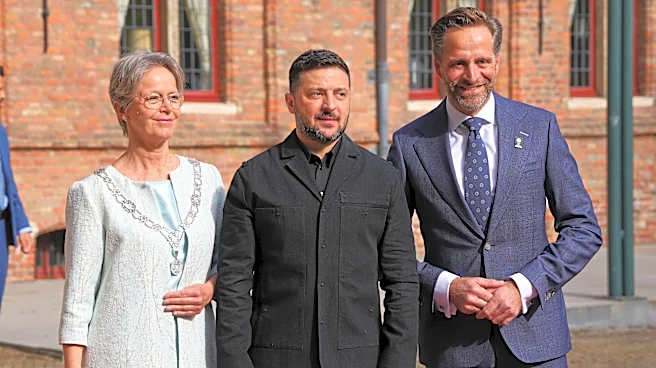
for the 'force of law' to prevail over the 'law of force.' The ICJ, established post-World War II, adjudicates disputes between countries and provides advisory opinions to U.N. bodies. Despite its role, the court faces challenges as powerful states increasingly disregard international law. The celebration was attended by dignitaries, including King Willem-Alexander of the Netherlands, underscoring the court's historical significance and ongoing relevance.
Why It's Important?
The ICJ's role is crucial in maintaining global order and resolving international disputes. The erosion of international law poses significant risks to global stability, as powerful nations may act unilaterally, undermining the court's authority. This situation could lead to increased conflicts and a breakdown of diplomatic resolutions. The ICJ's ability to enforce its rulings is limited, relying on member states' cooperation. The court's challenges reflect broader issues within the international legal framework, highlighting the need for stronger mechanisms to uphold international law and prevent conflicts.