
What's Happening?
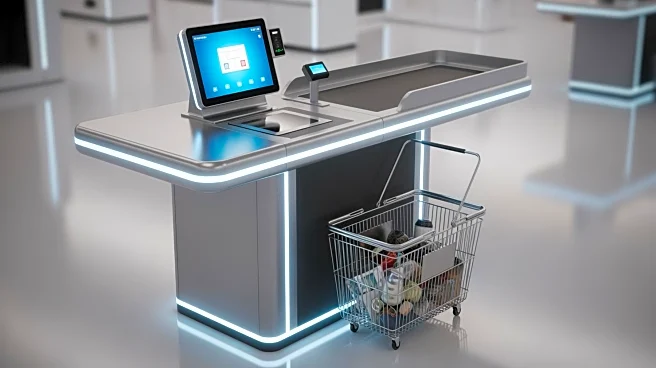
Retailers in the UK are increasingly adopting fully autonomous checkout systems, transforming the shopping experience by eliminating traditional checkout processes. This shift is driven by advancements in AI, computer vision, and sensor tracking technologies,
which enable a seamless shopping experience without the need for cashiers or self-checkout kiosks. Consumers can now enter stores, select items, and leave without waiting in line, as the technology automatically tracks purchases and processes payments. This innovation is gaining popularity, with surveys indicating that approximately 70% of UK shoppers prefer checkout-free experiences to avoid long queues and crowded aisles. The technology is designed to be unobtrusive, with sensors and cameras discreetly integrated into store environments.
Why It's Important?
The move towards autonomous checkout systems represents a significant evolution in retail technology, offering both convenience and efficiency for consumers. By reducing wait times and streamlining the shopping process, retailers can enhance customer satisfaction and potentially increase sales. This technology also allows retailers to optimize store layouts and allocate staff to more value-added tasks, such as customer service and inventory management. However, the adoption of autonomous systems raises concerns about data privacy and billing accuracy, as well as the potential loss of jobs traditionally held by cashiers. Retailers must address these challenges to ensure consumer trust and acceptance of the new technology.
Beyond the Headlines
The cultural implications of autonomous checkout systems are noteworthy, as they alter the traditional shopping experience characterized by human interaction and social engagement. The technology challenges the norms of queuing and personal service, which have long been integral to the retail experience. As retailers continue to implement these systems, they must balance technological efficiency with the human elements that many consumers still value. Additionally, the data collected through these systems offers retailers insights into consumer behavior, which can be used to personalize marketing strategies and improve inventory management. However, this level of data collection also necessitates robust privacy protections to prevent misuse.