


What's Happening?
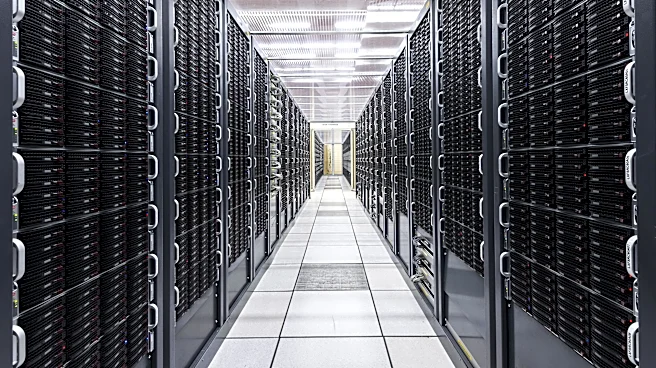
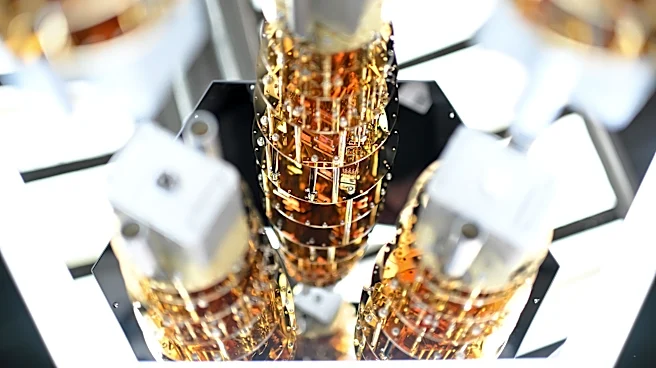
Researchers at D3 Center and the Center for Quantum Information and Quantum Biology (QIQB) at the University of Osaka have developed SEAFOOD, a new platform that integrates the university’s OCTOPUS supercomputer with superconducting quantum computers.
This marks the first instance in Japan of a domestically developed quantum computer being integrated with a supercomputer at the same university. The platform enables both types of machines to operate within a single computing workflow. As a proof of concept, the researchers successfully performed a quantum chemistry calculation using quantum-selected configuration interaction (QSCI), where the quantum computer identified important electron configurations and the supercomputer handled matrix calculations to determine system energy. The system produced ground-state energy results that matched conventional reference calculations.
Why It's Important?
The SEAFOOD platform is a significant step forward in hybrid computing, addressing the current limitations of quantum computers, such as a limited number of qubits and susceptibility to errors. By combining the strengths of quantum and conventional computing, SEAFOOD offers a practical approach to tackle computationally intensive problems in fields like quantum chemistry and materials science. Understanding electron interactions is crucial for developing new materials and drugs, and this platform provides a ready-to-use environment for scientists to focus on developing new algorithms and applications. This integration allows each machine to handle tasks best suited to its capabilities, potentially accelerating discoveries in areas that are currently too complex for either technology alone.
What's Next?
The SEAFOOD platform is scheduled to begin operating in December 2026. In fiscal year 2027, selected research teams at the University of Osaka will be granted trial access through the D3 Center’s research proposal-based use program, in collaboration with QIQB. The insights gathered from these trials will be utilized to enhance job scheduling, facilitate the sharing of technical knowledge, and explore broader access through nationwide initiatives. The use of open-source software and standard interfaces in SEAFOOD is expected to encourage other institutions to adopt similar hybrid computing systems, fostering wider collaboration and advancement in the field.
Beyond the Headlines
The development of SEAFOOD highlights a growing recognition that the future of advanced computation lies in the seamless integration of diverse computing paradigms. This hybrid approach not only mitigates the current weaknesses of nascent quantum technologies but also maximizes the utility of existing supercomputing infrastructure. The platform's focus on quantum chemistry and materials science points to its potential to drive innovation in industries such as pharmaceuticals and advanced manufacturing. Furthermore, the commitment to open-source software and standard interfaces suggests a strategic move towards democratizing access to cutting-edge computational resources, fostering a collaborative ecosystem that could accelerate scientific discovery on a global scale. This model could become a blueprint for other research institutions looking to leverage both quantum and classical computing effectively.