




What's Happening?
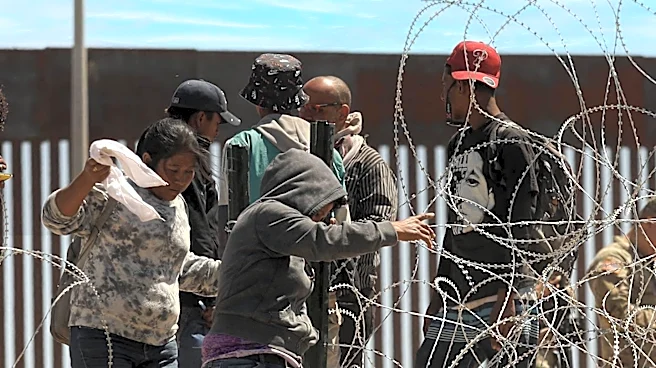
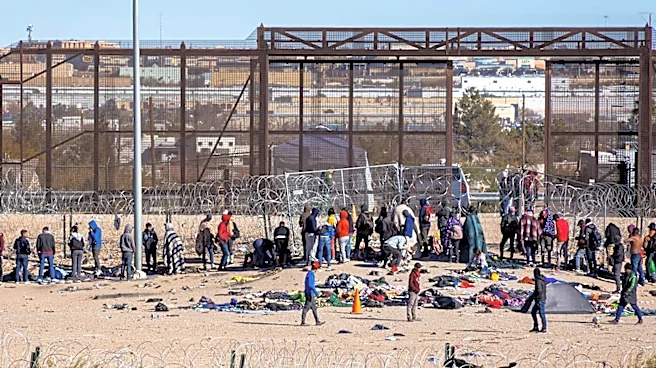
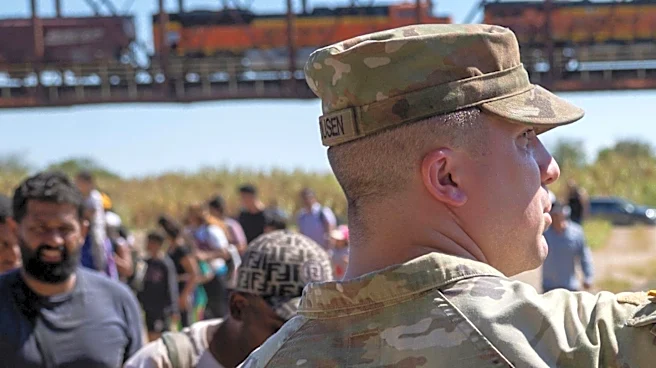
The Department of Homeland Security (DHS) has reported that ICE arrested 125 former members of the Armed Forces between January 2025 and January 2026, with 73 detained and 34 placed in removal proceedings. This has raised concerns among lawmakers, including
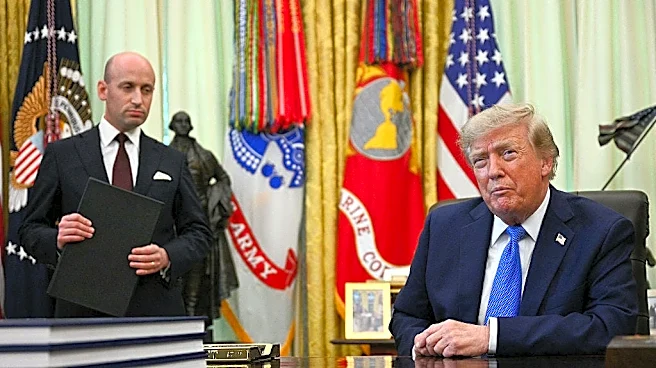
Senator Elizabeth Warren and over 60 congressional Democrats, who have demanded answers from the Trump administration regarding the deportation of noncitizen veterans and their families. Historically, immigrant soldiers have been granted easier routes to naturalization, a tradition dating back to the Civil War. Despite this, ICE has continued to enforce deportation laws, citing criminal convictions as a factor in removal proceedings.
Why It's Important?
The deportation of noncitizen veterans challenges long-standing American values of opportunity and service recognition. These actions could impact the morale and recruitment of foreign nationals in the military, who make up a significant portion of the Armed Forces. The controversy highlights the tension between immigration enforcement and the recognition of military service as a pathway to citizenship. The issue has sparked debate over the ethical and legal obligations of the U.S. government to those who have served, potentially influencing future immigration and military policies.
What's Next?
Senator Warren and her colleagues have set an August 23 deadline for the Trump administration to respond to their inquiries. The outcome of this political pressure could lead to changes in how noncitizen veterans are treated under immigration law. The administration may face increased scrutiny and calls for policy reform to better align with historical precedents of granting citizenship to immigrant service members.