


What's Happening?
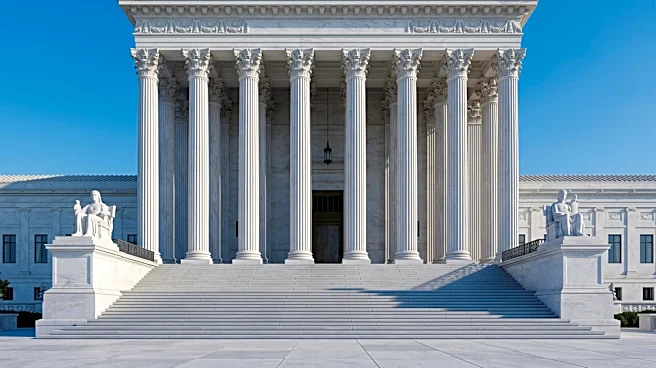
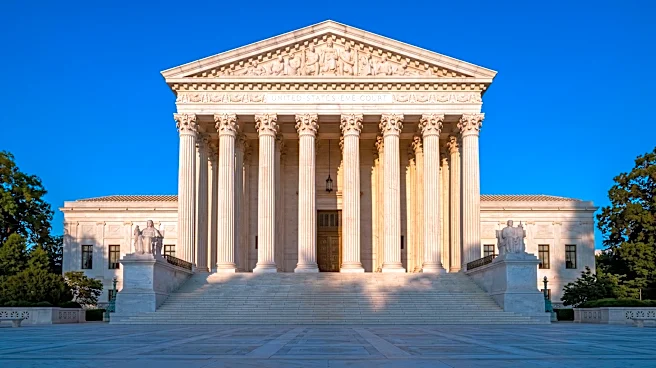
A federal judge has temporarily blocked Missouri from implementing a new congressional map, a decision that follows the Supreme Court's refusal to intervene in the redistricting dispute. The revised map, passed by the Republican-led legislature, aimed
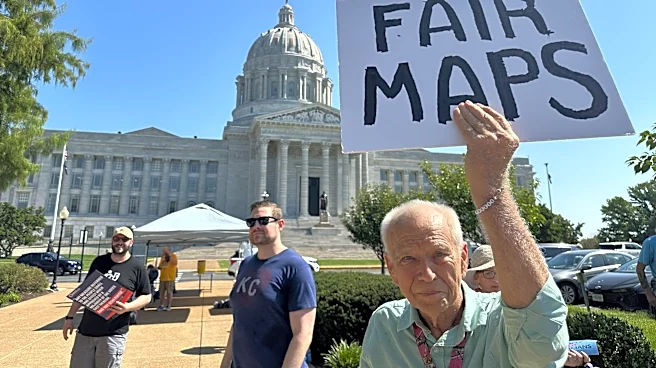
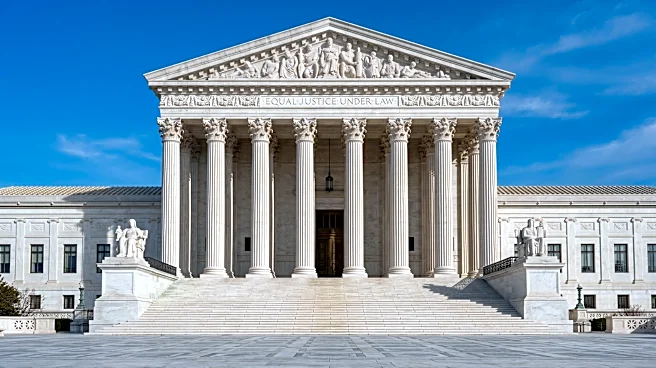
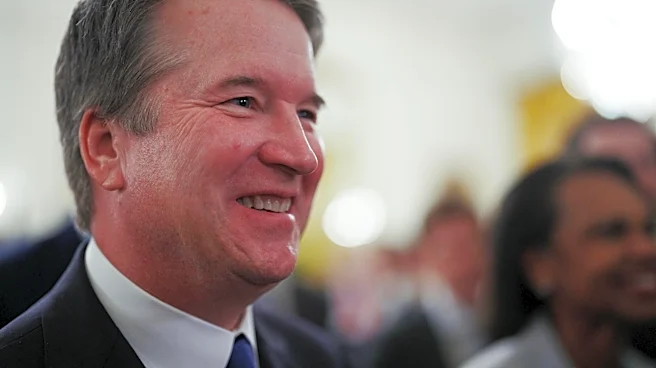
to reassign parts of Kansas City from Democratic Representative Emanuel Cleaver's 5th Congressional District to neighboring Republican districts and extend the remainder into rural Republican areas. This move would have significantly altered Cleaver's district, with approximately 59% of its voters being new under the proposed map. Despite the controversy surrounding the map, Cleaver ran unopposed in the Democratic primary. The legal challenge against the new map was initiated by State Senator Rick Brattin, who won the Republican primary in the reshaped district, along with Republican U.S. Rep. Bob Onder and other voters. The federal judge's temporary order comes after a state court ruling that would have prevented the use of the new map, and minutes after Supreme Court Justice Brett M. Kavanaugh declined to get involved in the matter without explanation or dissent. The state's Supreme Court had previously ruled that the new map could not be used unless approved by voters through a referendum.
Why It's Important?
This ruling is significant for several reasons, primarily impacting the balance of power in Missouri's congressional delegation and setting a precedent for redistricting challenges. The Republican-led legislature's attempt to redraw the 5th Congressional District was part of a broader national effort in partisan gerrymandering, aiming to secure an additional U.S. House seat for Republicans. By blocking the new map, the federal judge's decision preserves the existing district boundaries, which are more favorable to Democratic representation, particularly for Representative Emanuel Cleaver. This outcome could prevent Republicans from gaining a seventh congressional seat in Missouri, thereby influencing the overall composition of the U.S. House. The legal battle also highlights the ongoing tension between state legislative power and judicial oversight in the redistricting process, underscoring the importance of citizen referendums in challenging legislative actions. The Supreme Court's decision not to intervene further emphasizes the complexities and varying interpretations of election laws across different judicial levels, impacting how future redistricting efforts might be challenged and implemented nationwide.
What's Next?
The federal judge's temporary order is set to remain in effect for 14 days, pending a hearing for a more permanent order. This means that while the immediate use of the new map is halted, the long-term resolution of Missouri's congressional districts is still uncertain. The state will proceed with the November general election using the previous congressional map, which was in place for the 2022 and 2024 elections, despite having used the new districts for the August primaries. This unusual situation could lead to voter confusion, as candidates who ran in the primary under one set of district boundaries will now compete in the general election under different ones. Furthermore, the referendum on the new congressional boundaries, designated as Proposition A, will still appear on the November 3 ballot, allowing voters to have their say on the map. The outcome of this referendum will be crucial in determining the future of Missouri's congressional districts, potentially leading to further legal challenges or a definitive resolution based on the will of the voters. Political leaders and civil society groups will closely monitor these developments, as the implications extend beyond Missouri to national redistricting strategies.
Beyond the Headlines
The Missouri redistricting saga delves into the deeper implications of partisan gerrymandering and its impact on democratic representation. The attempt to redraw Representative Cleaver's district, a long-serving Democratic representative, into a more Republican-leaning area reflects a strategic effort to consolidate political power and diminish the influence of minority voters. This practice raises ethical questions about the fairness of electoral processes and the potential for legislative bodies to manipulate district lines for partisan gain, rather than ensuring equitable representation. The involvement of President Trump in encouraging such redistricting efforts in Missouri and other Republican-led states underscores the national scope of this issue and its potential to reshape the political landscape. The legal challenges and the role of both state and federal courts in overseeing these processes highlight the critical checks and balances designed to protect the integrity of elections. The ongoing debate also brings to light the importance of citizen engagement through referendums, offering a mechanism for the public to directly challenge legislative decisions that could undermine their voting power and representation. This case serves as a microcosm of the broader struggle to maintain democratic principles in the face of increasingly sophisticated partisan tactics.