







What's Happening?
A recent outbreak of cyclosporiasis, an intestinal illness caused by the Cyclospora parasite, has been reported in the United States, with significant cases in North Carolina. The illness is linked to the consumption of fresh produce contaminated with human
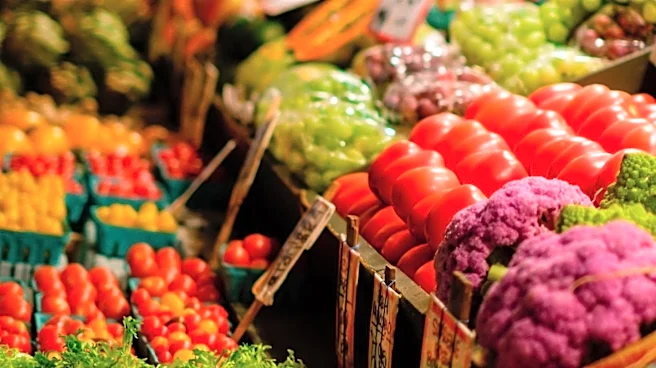
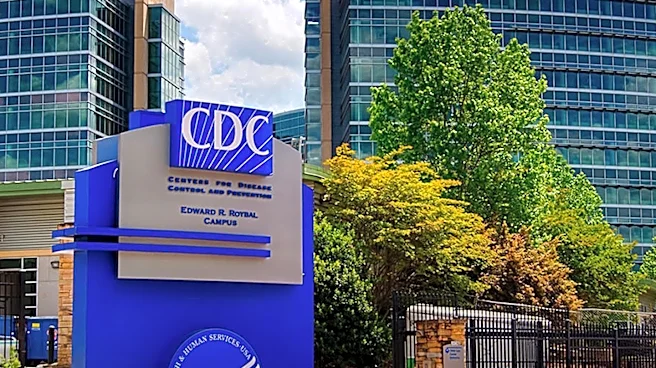
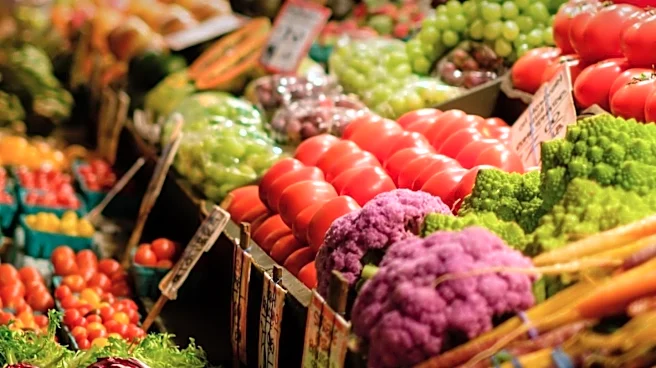
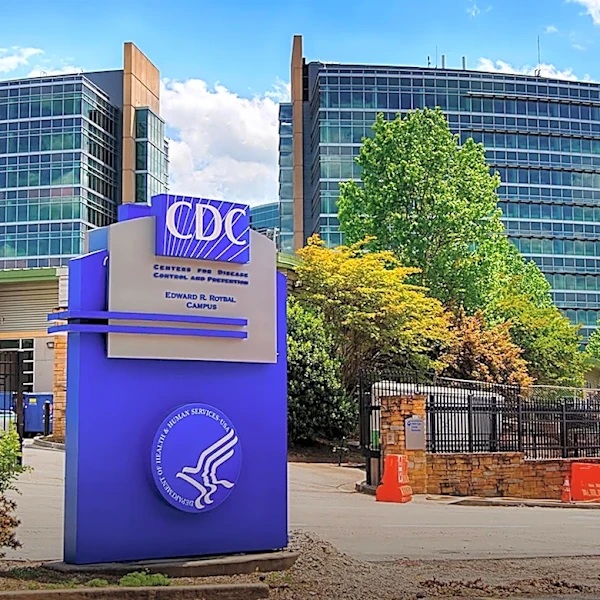
feces. Cyclospora cayetanensis, the parasite responsible, is commonly associated with raw fruits, leafy greens, and herbs such as basil, cilantro, and parsley. The Centers for Disease Control and Prevention (CDC) has noted an increase in cases since May 1, 2026, with at least 20 hospitalizations nationwide. The parasite is not visible to the human eye and can cling to produce, making it difficult to remove through washing alone. The illness is not typically spread from person to person but through contaminated food or water. Symptoms include severe diarrhea, abdominal cramping, and fatigue, which can last for weeks if untreated.
Why It's Important?
The outbreak highlights the ongoing challenges in ensuring food safety, particularly with fresh produce that is often consumed raw. The difficulty in tracing the source of Cyclospora contamination complicates public health responses and underscores the need for improved agricultural and food handling practices. The economic impact is also significant, as recalls and public health alerts can affect consumer confidence and lead to financial losses for producers and retailers. Vulnerable populations, such as those with weakened immune systems, are at greater risk of severe illness, emphasizing the importance of preventive measures and timely medical intervention.
What's Next?
Public health officials are likely to continue monitoring the situation closely, issuing alerts and recalls as necessary to prevent further spread. There may be increased scrutiny on agricultural practices and food safety regulations to mitigate future outbreaks. Consumers are advised to stay informed about public health alerts and practice safe food handling, including washing produce thoroughly. Healthcare providers may need to increase testing for Cyclospora in patients presenting with symptoms of intestinal illness, especially during the peak season from May to August.
Beyond the Headlines
The outbreak raises broader questions about the global food supply chain and the challenges of maintaining food safety standards across different regions. As the U.S. imports a significant portion of its fresh produce, international cooperation and stringent safety protocols are essential to prevent contamination. The situation also highlights the need for public education on food safety practices and the importance of reporting symptoms to healthcare providers promptly.