




What's Happening?
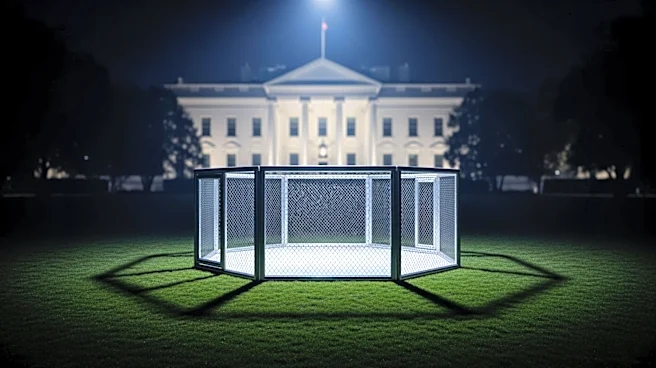
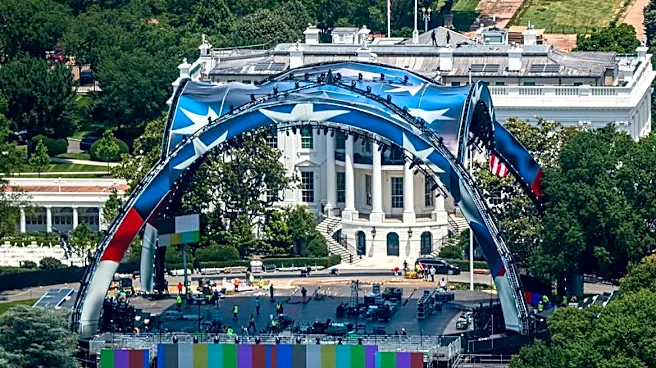
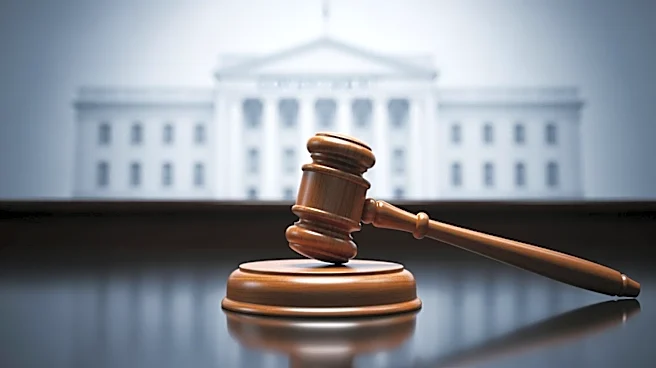
A lawsuit has been filed to block a planned UFC event, 'UFC Freedom 250,' scheduled to take place on the White House South Lawn on June 14. The case has been assigned to U.S. District Judge Amit P. Mehta, who has a history of ruling on cases involving
President Donald Trump. The lawsuit, filed by activists Susan Douglas and Paul Romano, challenges the National Park Service and other federal entities, arguing that the event is 'deeply corrupt' and improperly allows the UFC and its partners to profit from federal sites. The event coincides with President Trump's 80th birthday, though UFC Chief Executive Dana White claims this is coincidental. The White House has dismissed the lawsuit as an 'obstructionist, baseless, and dilatory' attempt to block a historic event during America's 250th anniversary celebrations.
Why It's Important?
The lawsuit raises significant questions about the use of federal sites for private, for-profit events, especially those associated with high-profile figures like President Trump. The outcome of this case could set a precedent for how federal properties are utilized for commercial purposes, potentially impacting future events and celebrations. The case also highlights ongoing legal challenges faced by President Trump and his administration, as Judge Mehta has previously ruled on several high-profile cases involving Trump, including those related to his financial records and the January 6 Capitol riot. The decision could influence public perception of the administration's handling of national celebrations and the commercialization of federal landmarks.
What's Next?
Judge Mehta's ruling on this case will be closely watched, as it could affect the scheduling and execution of the UFC event. If the lawsuit succeeds, it may lead to the cancellation or relocation of the event, impacting the UFC and its commercial partners. The decision could also prompt further legal challenges or legislative actions regarding the use of federal sites for private events. Stakeholders, including political leaders, civil society groups, and the UFC, may respond based on the ruling, potentially influencing future policies on event hosting at federal properties.