

What's Happening?
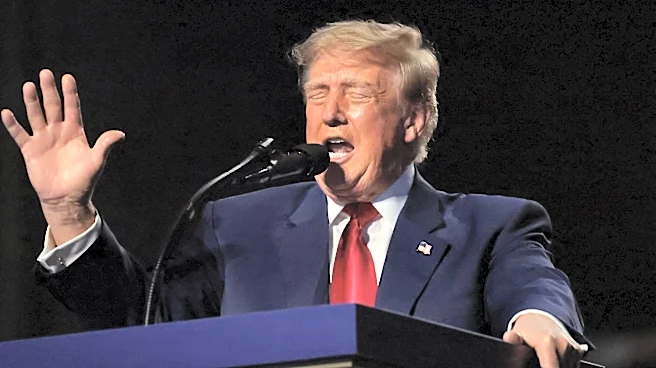
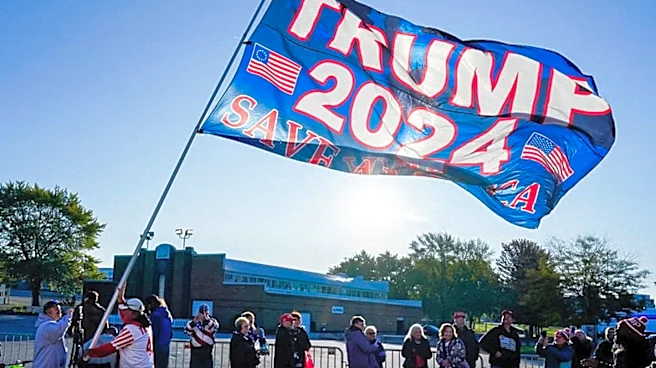
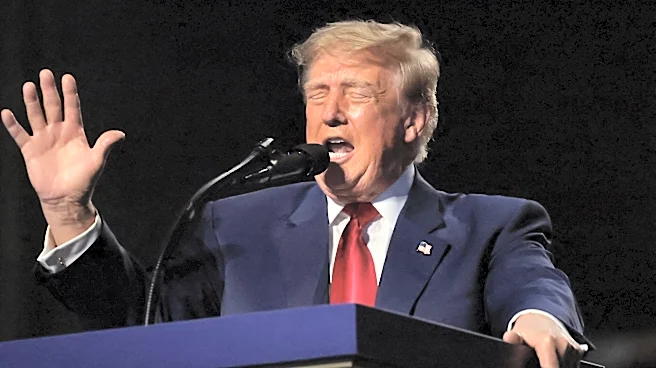
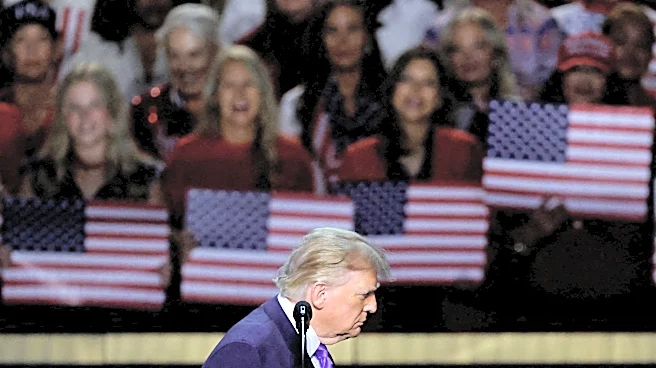
Several Republican House candidates in competitive districts, including U.S. Representative Monica De La Cruz, attended a high-profile midterm convention in Dallas. This event, described as a 'Trump-a-palooza,' presented a strategic dilemma for many GOP
candidates: attend and risk being closely associated with President Trump, or stay away and miss a national platform and fundraising opportunities. While many incumbents in battleground districts opted to stay in their home districts, a handful, including Representatives Monica De La Cruz, Anna Paulina Luna, Derrick Van Orden, Rob Bresnahan, Ryan Mackenzie, and Mike Lawler, chose to attend and some even took speaking slots. Their decision reflects a calculation that the benefits of national exposure and energizing the base outweighed potential negative associations, especially as they face challenging re-election campaigns in November.
Why It's Important?
The attendance of Republican House candidates at this midterm convention is significant because it illustrates the complex political calculations involved in competitive elections. For candidates like Representative Monica De La Cruz, who is in a tough re-election fight, aligning with President Trump can energize a segment of the Republican base and provide valuable fundraising opportunities. However, it also carries the risk of alienating moderate voters or those who may have an unfavorable view of President Trump, particularly in swing districts. This decision highlights the ongoing influence of President Trump within the Republican Party and the balancing act candidates must perform to secure both base support and broader appeal. The outcome of these competitive races could significantly impact the balance of power in the U.S. House of Representatives.
What's Next?
The decision by these Republican candidates to attend the convention will likely be a point of discussion and potential attack from their Democratic opponents as the November elections draw closer. Voters will be evaluating the candidates' choices and their perceived alignment with national party figures. Campaigns will continue to refine their messaging, either embracing or distancing themselves from the convention's implications, depending on their district's political leanings. The fundraising and organizational benefits gained from attending the event will be weighed against any potential backlash. The performance of these candidates in November will serve as a key indicator of the effectiveness of such high-profile national events in influencing local election outcomes.
Beyond the Headlines
The attendance of Republican House candidates at the 'Trump-a-palooza' convention reflects a deeper trend in modern U.S. politics: the increasing nationalization of elections. Local and state races are often influenced by national political figures and narratives, making it difficult for candidates to run solely on local issues. This phenomenon can lead to a homogenization of political discourse and strategy, where candidates feel compelled to align with national party leaders even if it presents risks in their specific districts. It also underscores the power of political rallies and conventions as tools for mobilization and fundraising, even as their broader electoral impact remains a subject of debate. The long-term implications include a potential erosion of distinct local political identities in favor of broader partisan affiliations.