





What's Happening?
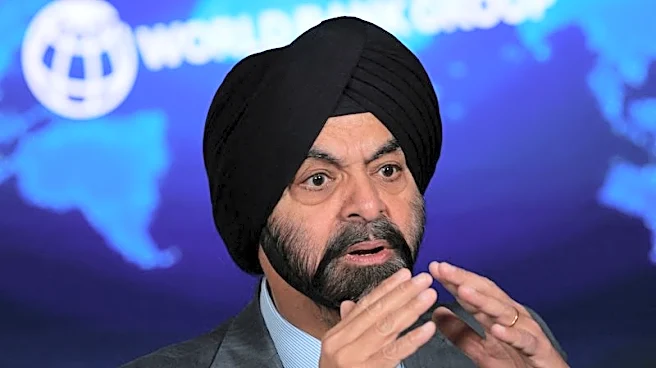
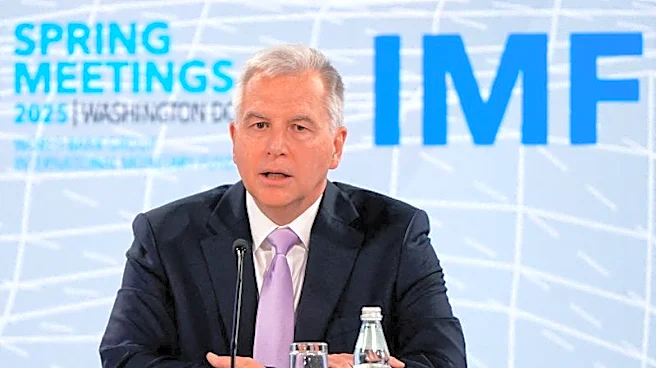
During the recent IMF World Bank meetings in Washington, DC, over 30 central bankers, politicians, and policymakers discussed their concerns regarding the ongoing U.S.-Iran conflict and its economic implications. The discussions took place before Iran's
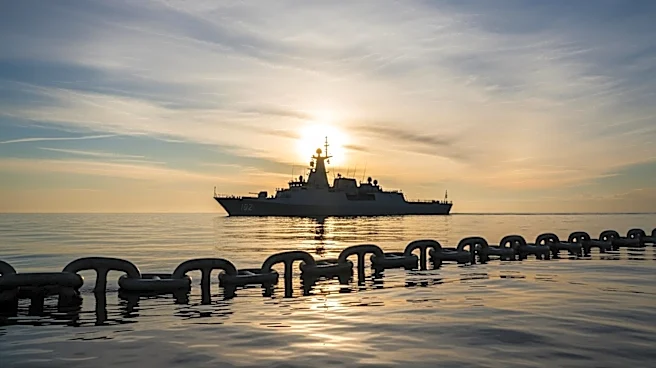
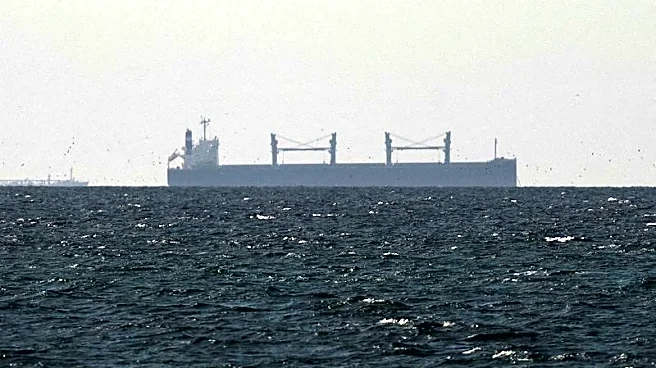
announcement on Friday that the Strait of Hormuz was open to commercial traffic during a ceasefire between Israel and Lebanon. However, Iran later stated on Saturday that the strategic energy chokepoint was closed again. The situation in the Middle East remains a focal point for global economic leaders as they assess the potential impacts on international markets and energy supplies.
Why It's Important?
The U.S.-Iran conflict, particularly the status of the Strait of Hormuz, is critical due to its role as a major passageway for global oil shipments. Any disruption in this region can lead to significant fluctuations in oil prices, affecting economies worldwide. The concerns raised by central bankers and policymakers highlight the potential for economic instability and the need for strategic responses to mitigate risks. The situation underscores the interconnectedness of geopolitical events and global economic health, with potential repercussions for energy markets, inflation rates, and international trade.
What's Next?
As the situation develops, stakeholders will likely continue to monitor the geopolitical landscape closely. Potential responses could include diplomatic efforts to stabilize the region and ensure the free flow of energy resources. Economic leaders may also consider contingency plans to address potential disruptions in oil supply and their impact on global markets. The ongoing dialogue among international policymakers will be crucial in shaping coordinated strategies to address these challenges.