





What's Happening?
Governor Tate Reeves has announced the appointment of Dr. Daniel "Deano" Harrison as the new Director of the Mississippi Office of Apprenticeship, also known as ApprenticeshipMS. Dr. Harrison previously served as a Workforce Development Manager for AccelerateMS,
where he focused on enhancing career pathways and expanding workforce opportunities across southern Mississippi. In his new role, a primary objective for Dr. Harrison will be to expand registered apprenticeship opportunities that align with employers' needs and Mississippi's priority occupations and regional workforce demands. ApprenticeshipMS aims to benchmark the state's performance against peer and neighboring states to identify growth opportunities and strengthen competitiveness. The long-term goal is to double the number of active apprentices statewide to approximately 7,000. Governor Reeves emphasized that the strength of Mississippi’s apprenticeship system will be evaluated not just by active apprentices, but also by new apprentices, completions, programs with active apprentices, geographic access, industry alignment, and program sustainability. Dr. Harrison brings over 20 years of experience in program management, recruitment, and staffing, including developing workforce solutions at Mississippi Gulf Coast Community College and launching the state's first healthcare registered apprenticeship programs at Singing River Health System.
Why It's Important?
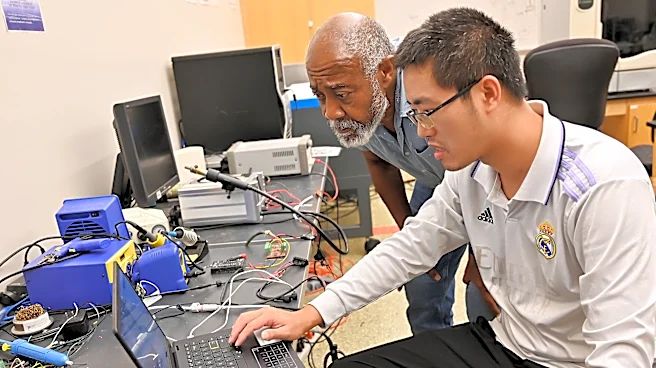
This appointment and the strategic goals for ApprenticeshipMS are crucial for Mississippi's economic development and workforce pipeline. By aiming to double the number of active apprentices to 7,000, the state is making a significant investment in skilled labor, which is vital for attracting and retaining businesses. A robust apprenticeship system ensures that the workforce possesses the specific skills demanded by industries, thereby reducing skill gaps and increasing employment rates. This initiative will particularly benefit sectors identified as priority occupations in Mississippi, fostering economic growth and competitiveness. For individuals, apprenticeships offer a direct path to rewarding careers without the traditional debt associated with higher education, providing hands-on training and immediate employment opportunities. For employers, it guarantees a steady supply of trained professionals tailored to their specific needs, leading to increased productivity and reduced recruitment costs. The focus on benchmarking against other states also highlights a commitment to continuous improvement and ensuring Mississippi remains competitive in the national economic landscape.
What's Next?
Under Dr. Harrison's leadership, the Mississippi Office of Apprenticeship will pursue recognition from the U.S. Department of Labor as a State Apprenticeship Agency. This recognition would further legitimize and strengthen the state's apprenticeship programs, potentially unlocking additional federal resources and support. Additionally, Dr. Harrison will oversee the establishment of the Mississippi State Apprenticeship Council. This council will comprise industry leaders, academic and training partners, workforce development experts, and other key stakeholders. The formation of this council is expected to foster greater collaboration and ensure that apprenticeship programs are responsive to the evolving needs of various industries across the state. Through industry engagement, education partnerships, and workforce collaboration, ApprenticeshipMS will work to educate, sustain, and expand access to high-quality registered apprenticeship opportunities, ultimately strengthening Mississippi's talent pipeline and supporting economic growth in every region.
Beyond the Headlines
The emphasis on expanding registered apprenticeships reflects a broader national trend towards vocational training and skills-based education as a viable alternative or complement to traditional four-year college degrees. This initiative in Mississippi could serve as a model for other states looking to address workforce shortages and enhance economic resilience. By focusing on industry alignment and geographic access, the program aims to create equitable opportunities across the state, potentially revitalizing local economies and providing pathways out of poverty for many residents. The involvement of various stakeholders in the State Apprenticeship Council underscores a collaborative approach to workforce development, recognizing that sustained success requires input and commitment from multiple sectors. This holistic strategy not only addresses immediate labor market needs but also builds a more adaptable and skilled workforce capable of responding to future economic shifts and technological advancements, fostering long-term prosperity for Mississippi.