








What's Happening?
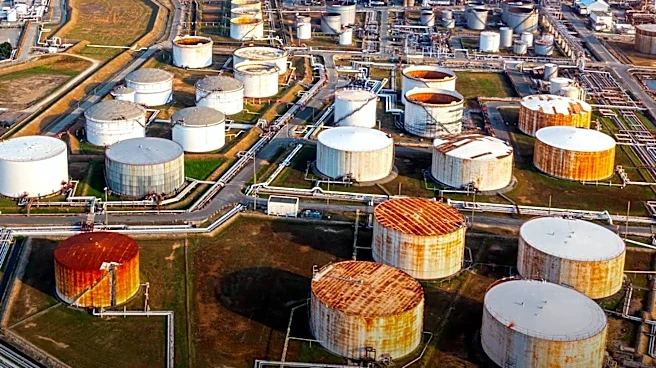
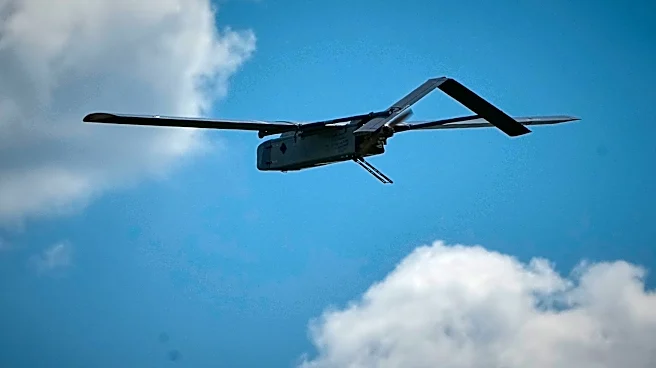
Two oil refineries in Russia's southern Krasnodar Krai were reportedly targeted in an overnight drone attack between November 17 and 18. Ukrainian monitoring channels, including Exilenova+ and Supernova+, reported strikes on both the Ilsky and Afipsky
oil refineries. Exilenova+ cited local sources confirming hits on both facilities and indicated that the attack on Krasnodar Krai continued throughout the night. This incident is part of Ukraine's ongoing campaign to disrupt Russian oil infrastructure, aiming to impede fuel supplies to Moscow's military and reduce revenue supporting its war efforts. The Kyiv Independent has not independently verified the reported strikes or the extent of damage at either facility. Both the Afipsky and Ilsky refineries are significant in Russia's southern region, with annual oil-processing capacities of approximately 6.25 million and 6.6 million metric tons, respectively. These facilities, located in Krasnodar Krai's Seversky district, have been targets of previous Ukrainian drone attacks. The Ukrainian General Staff had previously reported striking the Ilsky refinery on November 16, targeting oil-processing units and a gasoline production complex. The Afipsky refinery was also reportedly attacked on November 6, an incident where regional authorities confirmed a fire at an industrial enterprise without specifying the facility. Ukrainian military officials have not yet confirmed the latest reported strikes.
Why It's Important?
The repeated targeting of Russian oil refineries by Ukrainian drones signifies a strategic effort to undermine Russia's military capabilities and economic stability. By disrupting oil infrastructure, Ukraine aims to directly impact Russia's ability to fuel its military operations and reduce the financial resources available for its war against Ukraine. These attacks could lead to increased volatility in global energy markets, as Russia is a major oil producer and exporter. While the immediate impact on global oil prices is uncertain without confirmed damage assessments, sustained disruptions could tighten supply and drive prices upward, affecting consumers and industries worldwide. For the U.S. and its allies, these developments highlight the ongoing geopolitical tensions and the potential for broader economic repercussions. The effectiveness of these strikes could also influence the dynamics of the conflict, potentially pressuring Russia to re-evaluate its military strategies or seek diplomatic solutions. Furthermore, the attacks underscore the evolving nature of modern warfare, where critical infrastructure becomes a key target in efforts to gain strategic advantage.
What's Next?
In the immediate future, further reports are expected regarding the extent of damage to the Ilsky and Afipsky refineries, which will clarify the operational impact on Russia's oil processing capabilities. Ukrainian military officials may eventually confirm their involvement in these latest strikes, providing more details on the objectives and outcomes. Russia is likely to intensify its air defense measures around critical infrastructure, particularly oil facilities, in response to these persistent drone attacks. The international community will closely monitor the situation for any potential escalation or broader implications for energy markets. If significant damage is confirmed, Russia may face challenges in maintaining its fuel supply for domestic consumption and military operations, potentially leading to increased reliance on strategic reserves or adjustments in export volumes. The ongoing campaign against Russian oil infrastructure suggests that Ukraine will continue these types of operations as a key component of its defense strategy, aiming to degrade Russia's war-making capacity.
Beyond the Headlines
The drone attacks on Russian oil refineries highlight a significant shift in modern conflict, where economic warfare through infrastructure targeting plays a crucial role alongside conventional military engagements. This strategy aims to create internal pressure within Russia by impacting its industrial capacity and revenue streams, potentially influencing public opinion and political stability. The ethical implications of targeting civilian infrastructure, even if it supports military efforts, remain a complex debate in international law and humanitarian considerations. Furthermore, these incidents underscore the vulnerability of critical energy infrastructure to drone technology, prompting nations worldwide to reassess their defensive capabilities and strategies against such threats. The long-term consequences could include a global re-evaluation of energy supply chain security and increased investment in resilient infrastructure. This also signals a potential for prolonged economic strain on Russia, which could have ripple effects on its geopolitical influence and its relationships with key trading partners, particularly those reliant on Russian energy exports.