
What's Happening?
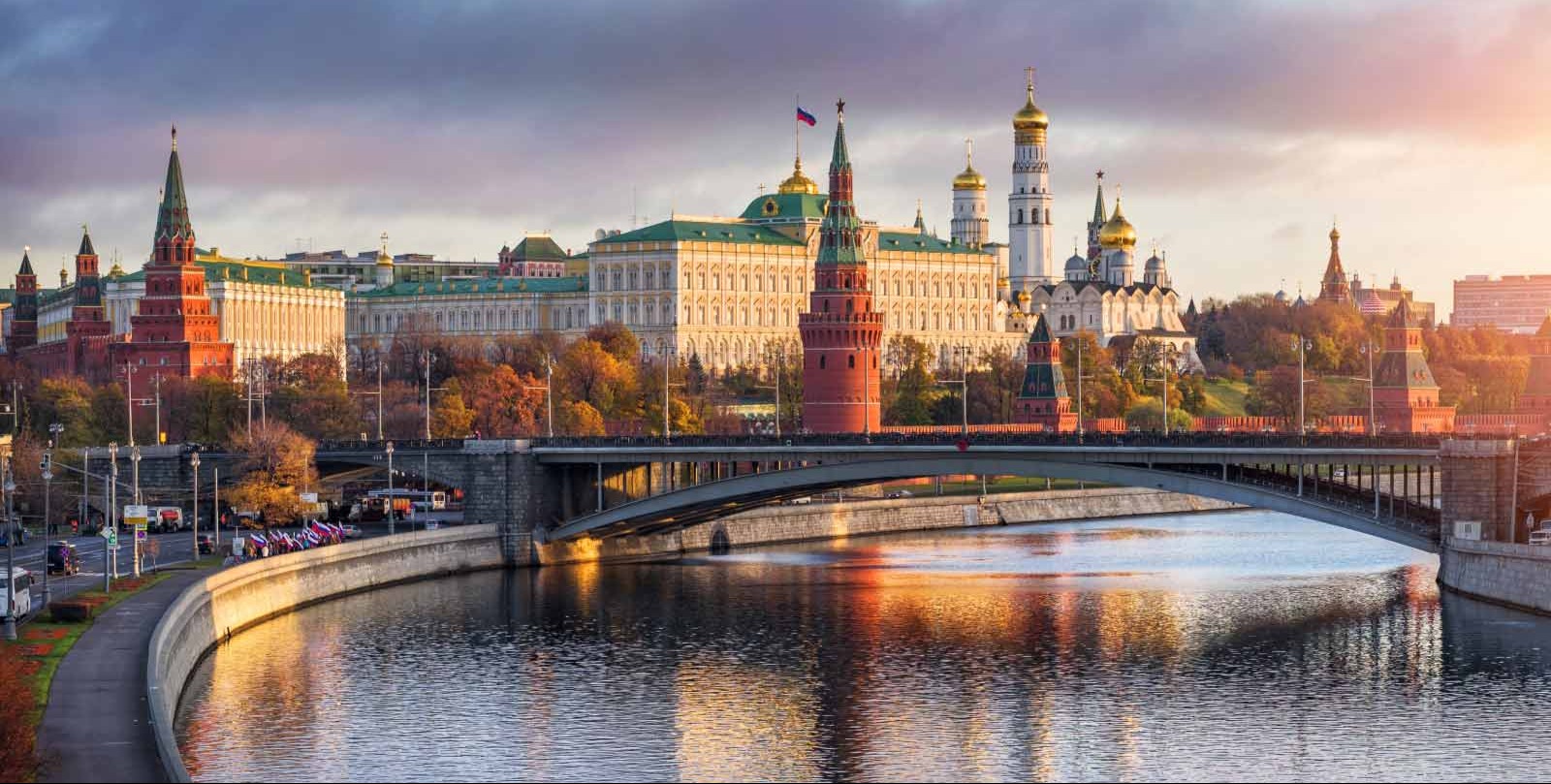
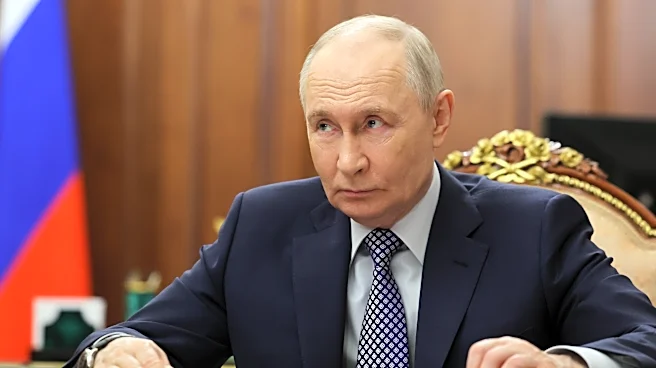
Despite a Kremlin-declared ceasefire over the Orthodox Easter weekend, Russian forces continued to launch drone attacks on Ukrainian positions. The ceasefire, announced by Russian President Vladimir Putin,
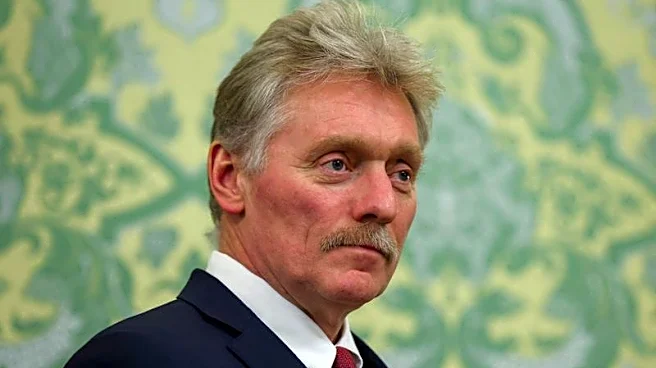
was intended to last 32 hours, starting from Saturday afternoon. However, Ukrainian military officials reported ongoing drone strikes, particularly in the regions of Donetsk, Dnipropetrovsk, and Zaporizhzhia. Ukrainian President Volodymyr Zelenskyy had agreed to the ceasefire, viewing it as a potential step towards peace, but warned of a strong military response to any violations. The Ukrainian military command noted 469 violations of the truce, highlighting the challenges in maintaining peace. The ceasefire was described by Kremlin spokesperson Dmitry Peskov as a humanitarian gesture, yet both sides have accused each other of not adhering to previous ceasefire agreements.
Why It's Important?
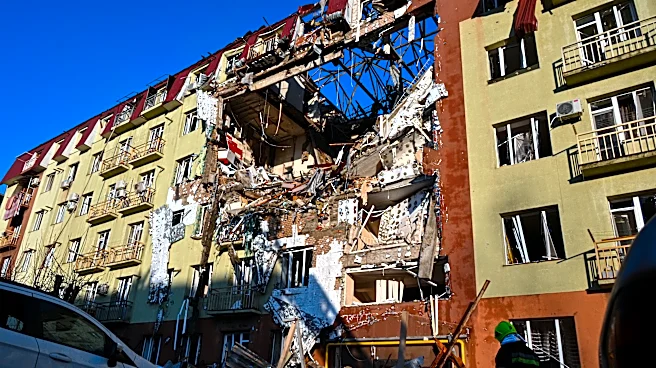
The continuation of hostilities despite the ceasefire underscores the ongoing volatility and complexity of the conflict between Russia and Ukraine. The failure to uphold the ceasefire agreement highlights the difficulties in achieving a lasting peace and the potential for further escalation. This situation affects not only the immediate regions involved but also has broader implications for international relations and security in Europe. The persistent conflict poses risks to regional stability and could influence global diplomatic efforts aimed at resolving the crisis. Additionally, the ongoing violence impacts humanitarian conditions, with civilian casualties and infrastructure damage continuing to rise.
What's Next?
The immediate future may see increased diplomatic efforts to reinforce the ceasefire and address violations. Both Ukrainian and Russian leaders might face pressure from international stakeholders to engage in more effective peace negotiations. The continuation of drone attacks could lead to further military responses from Ukraine, potentially escalating the conflict. International bodies and neighboring countries may increase their involvement to mediate and prevent further deterioration of the situation. The ongoing conflict will likely remain a focal point in international discussions, with potential implications for security policies and alliances.