


What's Happening?
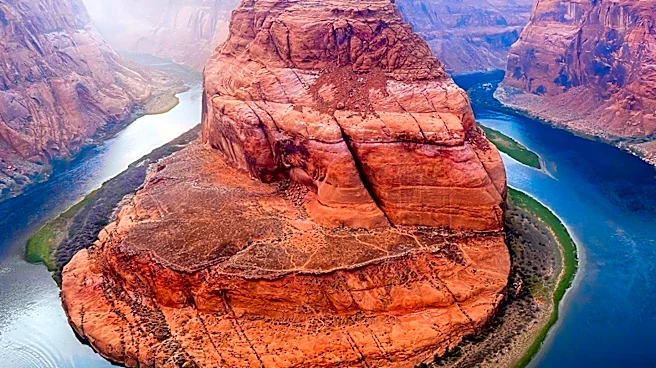
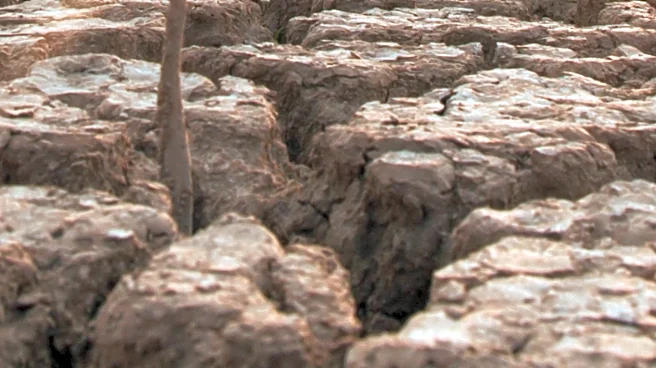
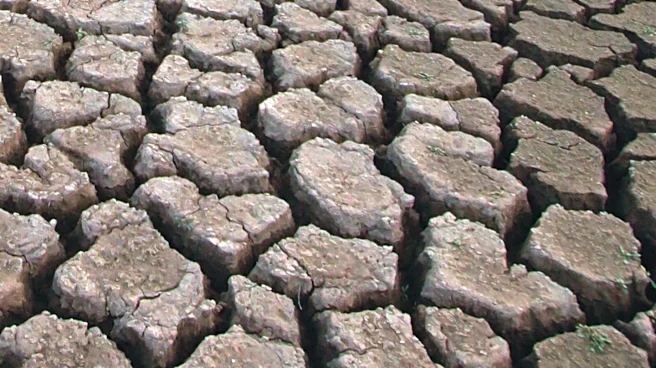
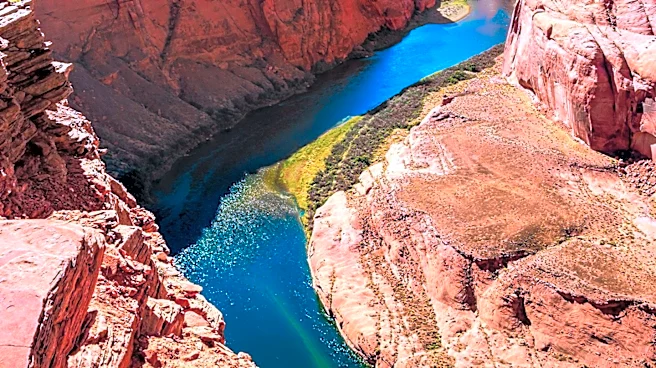
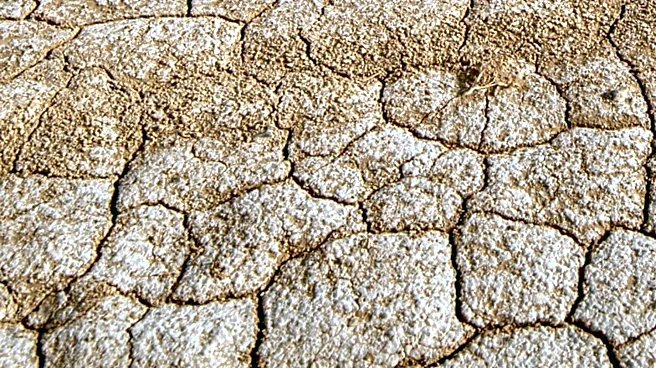
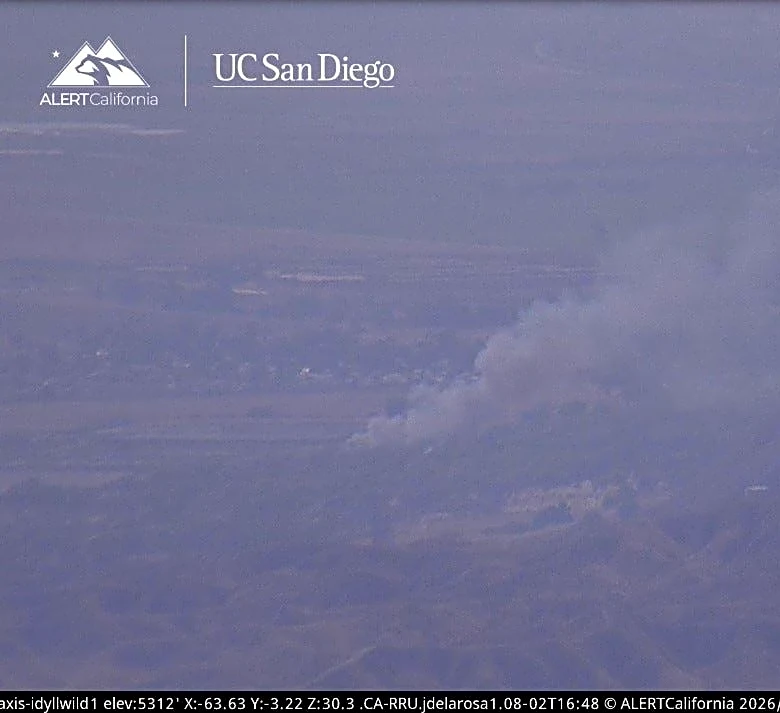
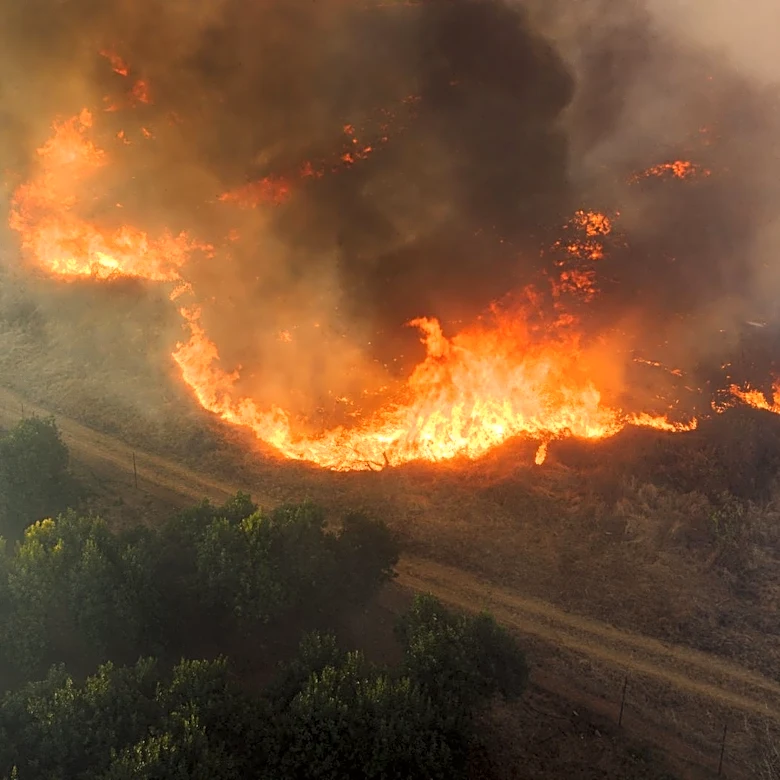
Colorado is experiencing severe drought conditions, leading to significant impacts on agriculture, water reservoirs, and wildlife. The drought has caused millions of dollars in losses for farmers, reduced reservoir storage, and affected river recreation.
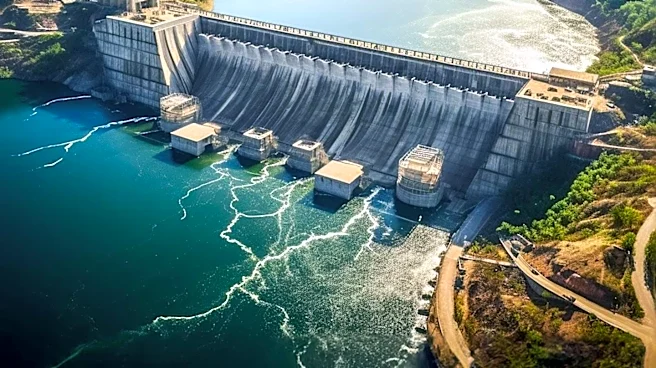
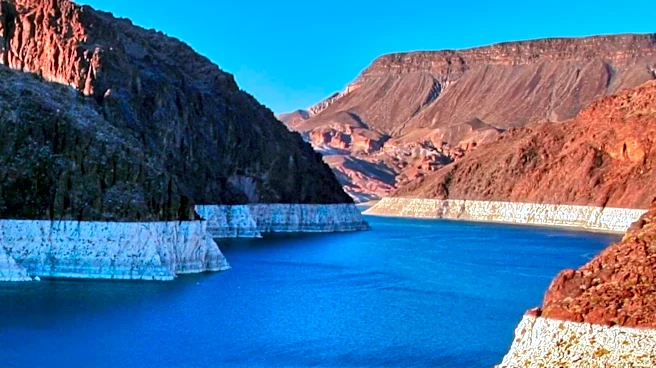
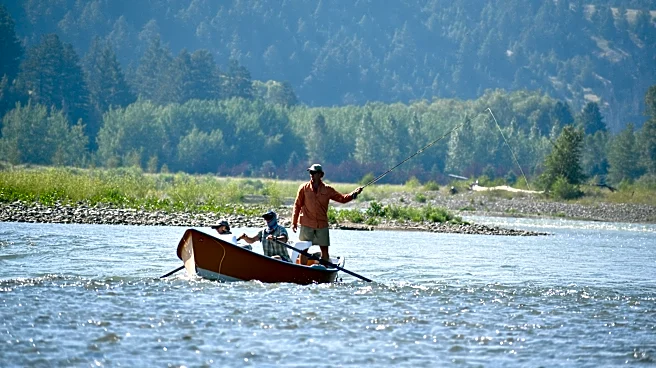
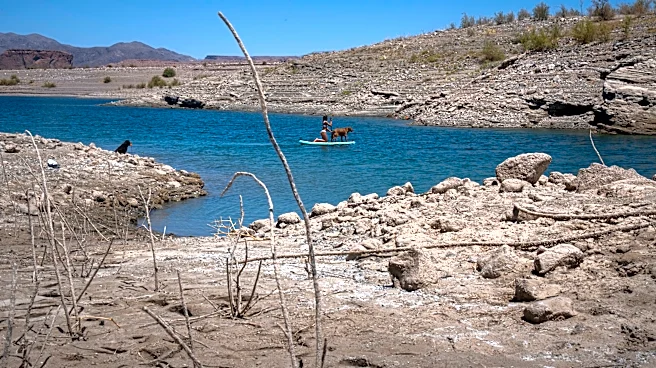
The state's water resources are at critically low levels, with some reservoirs being drained to conserve water. The drought has also led to the closure of hundreds of miles of streams to fishing due to low water levels and high temperatures, which have resulted in fish kills. The situation is exacerbated by a record-low snowpack and high temperatures, which are expected to become more common with climate change.
Why It's Important?
The drought in Colorado highlights the vulnerability of water resources in the face of climate change. It poses a significant threat to the agricultural sector, which relies heavily on water for irrigation. The economic impact is substantial, with farmers facing reduced crop yields and potential financial losses. The drought also affects energy production, as low reservoir levels threaten hydropower generation. Additionally, the environmental impact is severe, with wildlife suffering from habitat loss and increased mortality rates. The situation underscores the need for sustainable water management practices and climate adaptation strategies to mitigate future risks.
What's Next?
Water managers and stakeholders are collaborating to address the immediate challenges posed by the drought. Efforts include reallocating water resources and implementing conservation measures. However, the long-term outlook remains uncertain, as the state needs several years of average or above-average snowfall to recover. The situation calls for increased investment in water infrastructure and policies to enhance resilience against future droughts. Stakeholders are also exploring innovative solutions, such as water-sharing agreements and technological advancements, to optimize water use and reduce vulnerability.