





What's Happening?
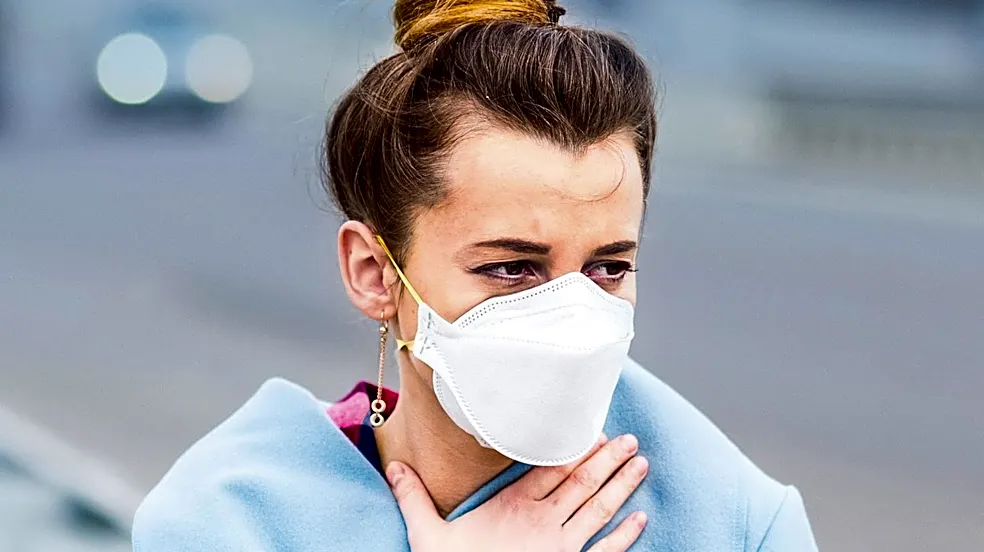
A recent 10-year cohort study conducted in China has established a significant link between short-term exposure to fine particulate matter (PM2.5) and an increased risk of hospital-acquired pneumonia (HAP) in critically ill patients following cardiac
surgery. The study, which analyzed data from 6,196 patients between 2014 and 2023, found that a PM2.5 concentration of 30 µg/m³ was associated with a 14.2% higher odds of HAP compared to a reference concentration of 10 µg/m³. The effect was observed to be delayed, with the strongest impact occurring one day after exposure within the perioperative window. This research highlights that even PM2.5 levels below current national air quality standards can pose a risk to vulnerable populations. The study also identified that older patients (aged 60 and above), individuals with a higher Body Mass Index (BMI > 23.9 kg/m²), and those with diabetes exhibited a stronger association between PM2.5 exposure and HAP incidence. The findings suggest that improving air quality in intensive care units (ICUs) could potentially reduce the occurrence of HAP in this high-risk group.
Why It's Important?
This study carries significant implications for public health and healthcare policy, particularly in the U.S. where air quality standards and hospital infection control are critical concerns. The findings underscore the vulnerability of post-surgical patients to environmental factors like air pollution, suggesting that current air quality regulations might not be sufficiently protective for all populations, especially those with compromised health. For healthcare providers, the research emphasizes the need to consider indoor air quality within hospitals, particularly in ICUs, as a modifiable risk factor for HAP. This could lead to the implementation of advanced air filtration systems or stricter environmental controls in critical care settings. Economically, a reduction in HAP cases could lead to substantial savings by decreasing prolonged hospital stays, antibiotic use, and associated treatment costs. Furthermore, the identification of specific at-risk groups (elderly, obese, diabetics) allows for targeted interventions and personalized care strategies, potentially improving patient outcomes and reducing healthcare burdens. The study also prompts a re-evaluation of the adequacy of existing air quality standards in safeguarding the health of the most susceptible individuals.
What's Next?
The findings of this study are likely to prompt further research into the specific mechanisms by which PM2.5 exacerbates HAP in vulnerable patients. Future investigations may focus on conducting similar multi-center studies in diverse geographical locations, including the U.S., to validate these results and assess their generalizability. Healthcare institutions may begin to explore and implement enhanced air quality monitoring and purification systems in ICUs and other critical care environments. Policy discussions could emerge regarding the revision of indoor air quality guidelines for healthcare facilities, potentially leading to new regulations or best practice recommendations. Additionally, there may be increased emphasis on personalized risk assessments for post-cardiac surgery patients, considering their environmental exposure history and pre-existing conditions. Pharmaceutical companies and medical device manufacturers might also explore innovations in air purification technologies or interventions aimed at mitigating the respiratory effects of particulate matter in hospital settings. Public health campaigns could also be developed to raise awareness among vulnerable populations about the risks of air pollution, even at seemingly low levels.
Beyond the Headlines
Beyond the immediate clinical implications, this study highlights a broader ethical and societal challenge concerning environmental justice and health equity. Vulnerable populations, including the elderly and those with chronic conditions, often bear a disproportionate burden of environmental pollution, which can exacerbate existing health disparities. The research implicitly calls for a more holistic approach to patient care that extends beyond traditional medical interventions to include environmental health considerations. Legally, these findings could contribute to arguments for stricter environmental regulations and increased accountability for industries contributing to air pollution, especially if a direct link to adverse health outcomes in specific populations can be consistently demonstrated. Culturally, there may be a shift in public perception regarding the 'safety' of indoor environments, particularly in healthcare settings, leading to greater demand for transparent reporting and proactive measures to ensure clean air. This study also underscores the interconnectedness of environmental health and individual well-being, suggesting that investments in cleaner air are not just ecological imperatives but also crucial public health interventions with far-reaching societal benefits.