




What's Happening?
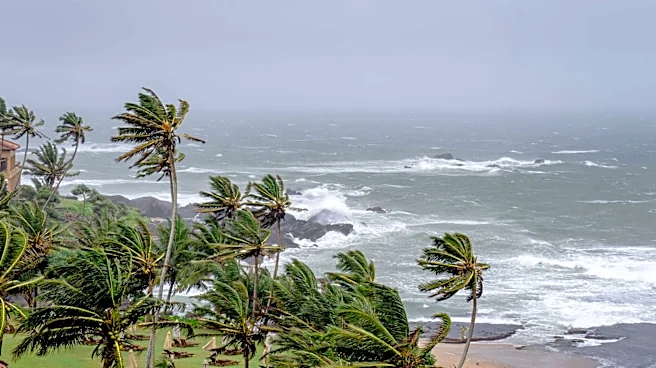
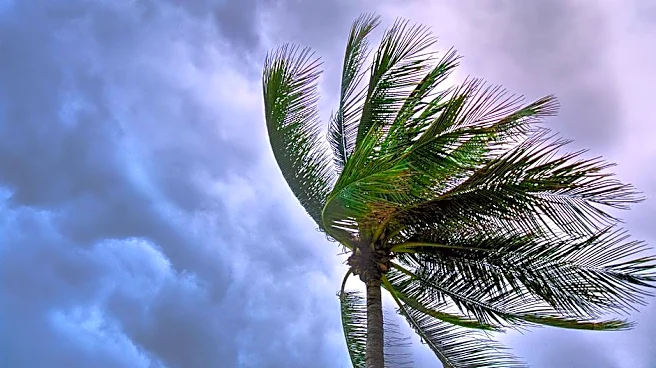
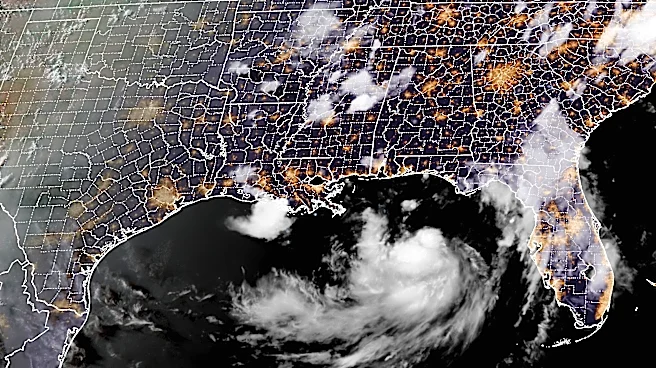
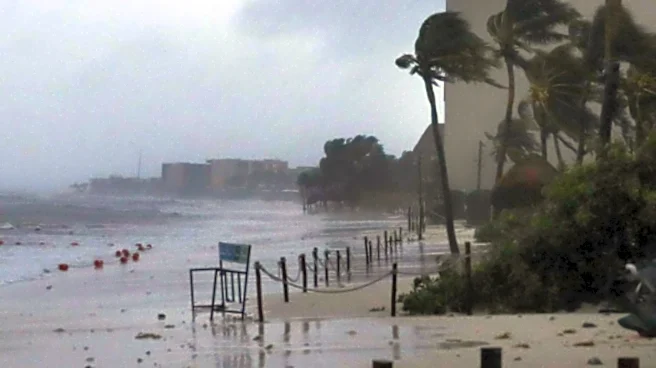
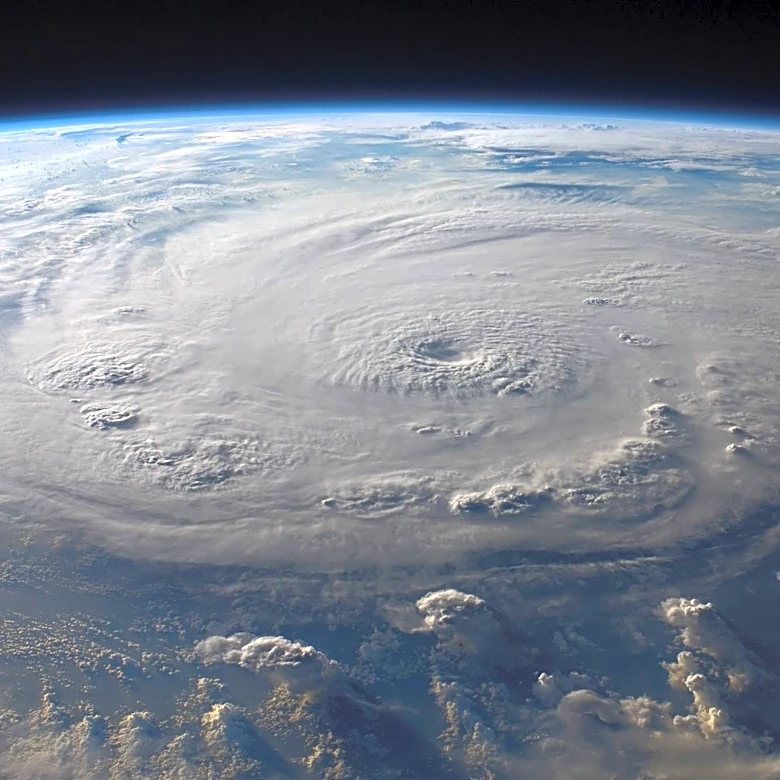
Tropical Storm Bertha has made landfall on the southern tip of Louisiana, bringing with it strong winds and the potential for heavy rain and flooding along the Gulf Coast. The storm, which made landfall in St. Bernard Parish, is moving slowly and is expected
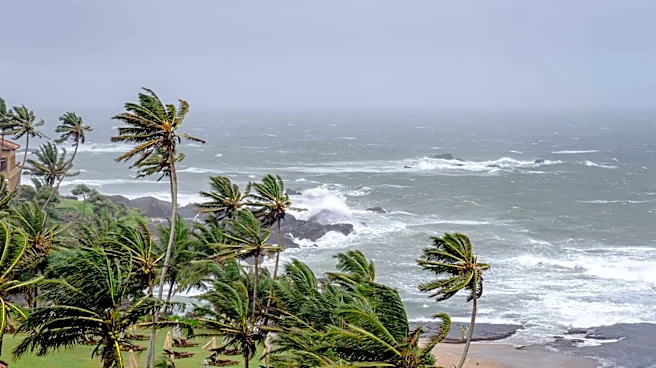
to affect areas including Florida, Alabama, and Louisiana. The National Hurricane Center reported that Bertha's maximum sustained winds were around 45 mph at landfall. The storm has prompted the closure of parks, piers, and some low-lying roads across the affected states. A tropical storm warning is in effect from Alabama to Louisiana, including New Orleans, where extreme heat is compounding the situation. Despite the storm's intensity, the heaviest rains are staying offshore, reducing the risk of widespread flooding.
Why It's Important?
The arrival of Tropical Storm Bertha highlights the ongoing vulnerability of the Gulf Coast to severe weather events, particularly during hurricane season. The storm's impact is significant as it comes with the dual threat of strong winds and extreme heat, a rare combination that adds to the challenges faced by residents and emergency services. The potential for flooding and storm surges poses a risk to infrastructure and communities, particularly in low-lying areas. The storm also serves as a reminder of the broader impacts of climate change, which is contributing to more frequent and intense weather events. The response to Bertha will test the preparedness and resilience of the affected states, as well as their ability to manage the immediate and long-term consequences of such storms.
What's Next?
Tropical Storm Bertha is expected to continue moving inland, with forecasts indicating it will dissipate in Texas by Friday. Authorities in the affected areas are likely to continue monitoring the storm's progress and its impact on local communities. Residents are advised to remain vigilant and prepared for potential flooding and power outages. The storm's progression will be closely watched by meteorologists and emergency management officials, who will assess the need for further warnings or evacuations. The aftermath of the storm will likely involve cleanup and recovery efforts, particularly in areas that experience significant flooding or wind damage.