





What's Happening?
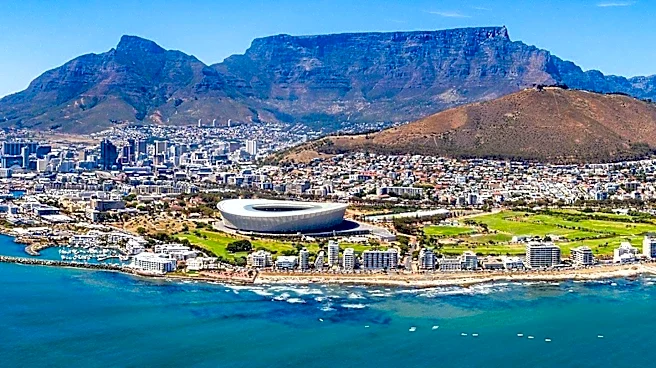
Cape Town, South Africa, has been consistently lauded as a top global travel destination, earning recognition for its natural beauty, cultural richness, and vibrant urban environment. The city is particularly known for iconic landmarks such as Table Mountain,
which offers panoramic views of the coastline and city center. Its beaches, including Camps Bay and Clifton, are celebrated for their scenic beauty and opportunities for relaxation. Beyond its natural attractions, Cape Town boasts a rich history, evident in areas like the colorful Bo-Kaap and the historic V&A Waterfront. Robben Island, where Nelson Mandela was imprisoned, stands as a significant historical site. The city's diverse culinary scene, featuring fresh seafood and traditional South African dishes, further enhances its appeal. Cape Town's robust tourism infrastructure, supported by Cape Town International Airport, positions it as a key gateway for exploring South Africa's diverse landscapes, from its coastlines to its wildlife reserves.
Why It's Important?
Cape Town's consistent recognition as a leading travel destination has significant implications for its tourism industry and the broader South African economy. High rankings in international awards, such as those from Condé Nast Traveller, boost the city's global profile, attracting more international visitors. This influx of tourism supports local businesses, including hotels, restaurants, tour operators, and retail, contributing to job creation and economic growth. The city's ability to blend natural attractions with cultural and historical experiences creates a unique value proposition that appeals to a wide range of travelers. Furthermore, its role as a gateway to other South African attractions means that its success can have a ripple effect, benefiting other regions and national conservation efforts through increased visitor numbers and associated revenue.
What's Next?
Cape Town is expected to continue leveraging its international acclaim to further develop its tourism sector. Future initiatives may focus on enhancing visitor experiences, promoting sustainable tourism practices, and expanding its appeal to new markets. The city will likely continue to invest in infrastructure and services to accommodate growing tourist numbers while preserving its natural and cultural heritage. Efforts to diversify tourism offerings, potentially including more adventure tourism, cultural immersion programs, and eco-tourism, could also be on the horizon. Continued collaboration between the city government, tourism boards, and local businesses will be crucial in maintaining Cape Town's competitive edge and ensuring its long-term success as a premier global destination.
Beyond the Headlines
The sustained popularity of Cape Town as a tourist destination highlights a broader trend in global travel towards experiences that combine natural beauty with cultural depth and historical significance. This trend underscores the importance of preserving both environmental assets and cultural heritage sites, as they are increasingly vital for attracting and retaining tourism. The city's success also reflects the growing demand for destinations that offer a diverse range of activities, from outdoor adventures to culinary explorations and historical education. Furthermore, the economic benefits derived from tourism in Cape Town can serve as a model for other regions seeking to develop their own tourism industries, emphasizing the need for strategic planning, infrastructure development, and effective marketing to a global audience.