






What's Happening?
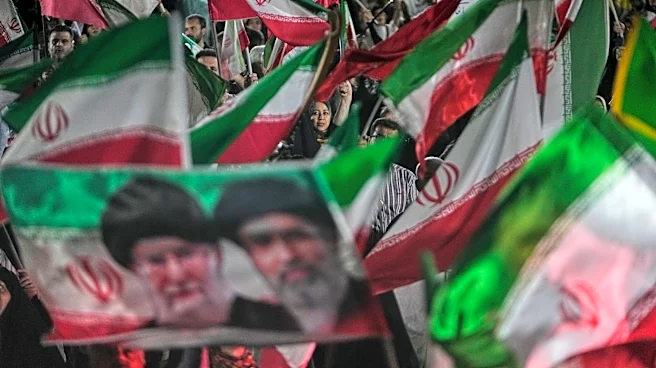
Iran has strongly condemned recent U.S. 'self-defence strikes' on Iranian missile sites and boats near the Strait of Hormuz, accusing the U.S. of dishonesty and unreliability. These actions are seen as violations of the United Nations Charter and the ceasefire
agreement of April 8, 2026. Iran's Ministry of Foreign Affairs has issued a statement warning that it will respond to any act of aggression and defend its sovereignty. The strikes coincide with ongoing diplomatic efforts to resolve the crisis in West Asia, further complicating the peace process.
Why It's Important?
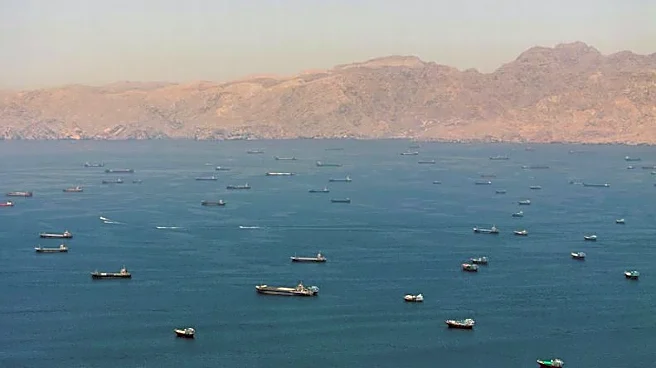
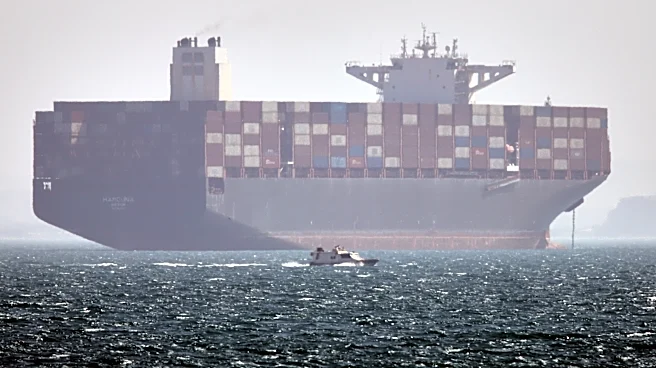
The U.S. strikes have heightened tensions between the two countries, potentially undermining diplomatic efforts to end the conflict. The Strait of Hormuz is a critical passage for global oil shipments, and disruptions could impact international energy markets. Iran's response to the strikes could escalate the situation, affecting regional stability. The actions also reflect broader geopolitical dynamics, with implications for U.S. foreign policy and international relations.
What's Next?
Iran has vowed to respond to any further aggression, which could lead to increased military confrontations. Diplomatic efforts to resolve the crisis are ongoing, with potential mediation by international actors. The situation remains volatile, and the outcome of these developments could influence future U.S.-Iran relations and regional peace.