






What's Happening?
The USDA's Food Safety and Inspection Service (FSIS) is frequently issuing recalls for meat, poultry, and processed egg products that were produced without federal inspection. These recalls are not necessarily due to the detection of pathogens or reported
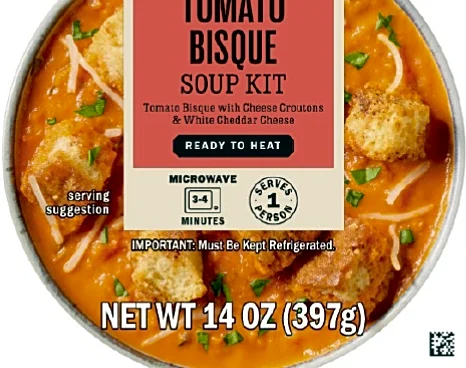
illnesses, but rather because the products bypassed the mandatory federal oversight process. This means that no federal inspector was present during production, no approved food safety plan was verified, and product labeling was not reviewed. Products can end up outside the federal system through various means, including establishments continuing production while suspended, applying inspection marks after voluntarily stopping inspection, operating without any federal grant of inspection, using false inspection marks, or misclassifying products that should fall under FSIS jurisdiction. For instance, a vegetable pickle becomes an FSIS product if it contains meat or poultry above a certain regulatory threshold, subjecting it to a more stringent regulatory regime than an FDA-regulated vegetable pickle. The agency treats the absence of inspection seriously, especially for ready-to-eat products where consumers do not perform further cooking steps to eliminate potential hazards.
Why It's Important?
These recalls highlight a critical gap in the U.S. food safety system, particularly concerning products that reach consumers without the benefit of federal inspection. The absence of inspection means that fundamental safety checks, such as allergen labeling review, verification of process controls for acidified products (to prevent botulism), and documentation of sanitation and pathogen controls for ready-to-eat items, are not performed. While FSIS does not assert that these products are contaminated, it cannot confirm their safety, leaving an unquantified health risk for consumers. This situation is particularly concerning for ready-to-eat foods, as there is no subsequent cooking step to mitigate potential bacterial contamination. The issue disproportionately affects small specialty manufacturers, who may inadvertently fall outside the correct regulatory framework, and consumers of traditional foods from regional or diaspora markets. The lack of proper oversight can lead to serious health consequences, including undeclared allergens, botulism risk, and other contaminants, underscoring the importance of robust federal inspection for public health and consumer confidence in the food supply chain.
What's Next?
Consumers are advised to immediately discard or return any recalled products. Attempting to make these products safe through cooking is not recommended, as heat does not eliminate undeclared allergens or reliably address botulinum toxin in improperly acidified items. FSIS encourages consumers to check their website for current recalls and alerts, which include specific product names, package sizes, and codes. Questions can be directed to the USDA Meat and Poultry Hotline, and problems can be reported through the agency's electronic consumer complaint system. For individuals experiencing symptoms after consuming a recalled product, medical attention is advised, with specific guidance provided for allergic reactions, foodborne bacterial illnesses, and botulism. The ongoing nature of these recalls suggests a continuous effort by FSIS to identify and remove uninspected products from the market, emphasizing the need for vigilance from both consumers and producers to ensure compliance with federal food safety standards.
Beyond the Headlines
The recurring issue of uninspected food products reaching consumers points to broader challenges within the U.S. food regulatory landscape. The division of oversight between FSIS and the FDA, while established, can create complexities, especially for hybrid products or small-scale producers who may struggle to navigate the nuanced requirements. This situation raises questions about the adequacy of current enforcement mechanisms and the potential for regulatory gaps that could be exploited or inadvertently overlooked. The 'unquantified risk' described by FSIS underscores a fundamental ethical dilemma: without inspection, the government cannot assure safety, placing the burden of risk assessment on the consumer. This could erode public trust in food safety systems and highlights the need for clearer guidelines, increased outreach to small businesses, and potentially more integrated regulatory approaches to prevent such products from entering the market. The economic impact on businesses facing recalls, even without confirmed contamination, can be significant, further emphasizing the need for proactive compliance and robust regulatory frameworks.