

What's Happening?
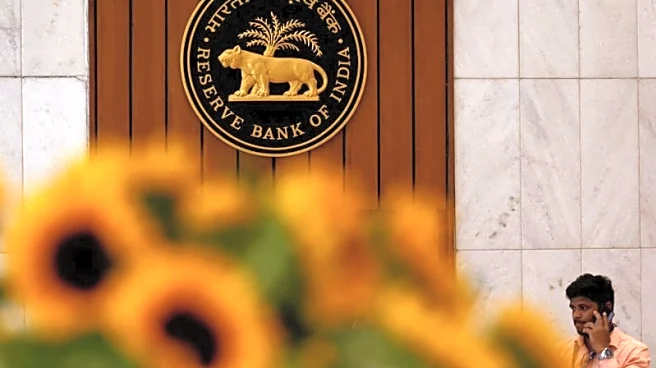
India's central bank has decided to keep its policy rates steady at 5.25%, as announced on Friday. This decision comes in the wake of new trade agreements with the European Union and the United States, which are expected to bolster India's economic growth.
Sanjay Malhotra, the governor of the Reserve Bank of India, stated that despite external economic challenges, the successful completion of these trade deals is a positive sign for the country's economic outlook. Economists had anticipated that the policy rate would remain unchanged, and the central bank's decision aligns with these expectations. Malhotra also noted that the domestic inflation and growth outlook remain favorable in the near term.
Why It's Important?
The decision to maintain the policy rates is significant as it reflects India's strategic approach to leveraging international trade agreements to support its economic growth. By securing trade deals with major economies like the U.S. and the EU, India positions itself to enhance its economic stability and growth prospects. This move is crucial for maintaining investor confidence and ensuring that the country remains an attractive destination for foreign investment. The steady policy rates also suggest that the central bank is prioritizing economic stability over aggressive monetary easing, which could have been risky given the current global economic uncertainties.
What's Next?
Looking ahead, the focus will likely be on how these trade agreements are implemented and their actual impact on India's economy. The central bank may continue to monitor global economic conditions and adjust its policy stance as necessary to maintain economic stability. Additionally, the government and businesses in India will need to capitalize on the opportunities presented by these trade deals to maximize their benefits. Stakeholders will be watching closely to see how these developments influence India's economic trajectory in the coming months.