



What's Happening?
A recent analysis report has highlighted concerns among NATO officials regarding the potential threats posed by Russian unmanned systems in the Arctic, particularly after the ongoing conflict with Ukraine concludes. The report, released by the Center
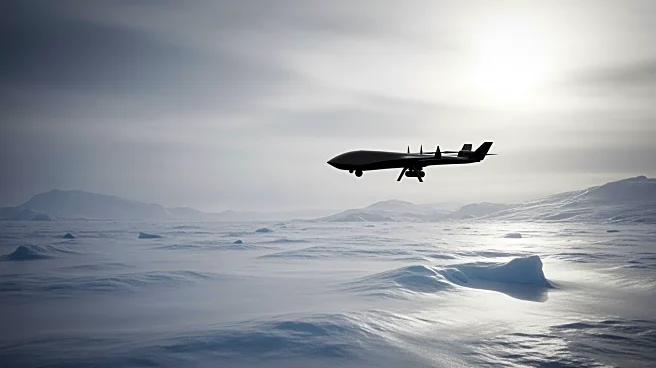
for European Policy Analysis (CEPA), emphasizes the strategic importance of unmanned systems in the Arctic, both as a threat and as a potential tool for NATO. The report suggests that Russia is likely to deploy uncrewed systems extensively as a force multiplier, creating operational challenges for NATO and its allies. The analysis also points to the potential for NATO to leverage unmanned systems to counter threats from Russia, China, and other geopolitical competitors. The report underscores the urgency of developing counter-unmanned systems (C-UxSs) capabilities to address these emerging threats.
Why It's Important?
The development and deployment of unmanned systems in the Arctic have significant implications for global security dynamics. As the Arctic becomes increasingly accessible due to climate change, it is emerging as a strategic region for military operations. The use of unmanned systems could lower the threshold for military engagement by reducing risks to personnel and increasing the speed and scale of operations. This development could lead to an 'Arctic drone race,' echoing the trends observed in the Ukraine conflict, and potentially escalating tensions among Arctic nations. For NATO, enhancing its capabilities in unmanned systems is crucial to maintaining a strategic advantage and ensuring the security of its member states in the region.
What's Next?
NATO and its Arctic allies are expected to prioritize the development of counter-unmanned systems to mitigate the threats posed by Russian unmanned systems. This includes enhancing surveillance, reconnaissance, and targeting capabilities to counter hostile intelligence operations. The strategic focus will likely involve increased investment in technology and infrastructure to support unmanned operations in the harsh Arctic environment. Additionally, diplomatic efforts may be necessary to address the security concerns and prevent an arms race in the region. The evolving situation will require continuous monitoring and adaptation of strategies to ensure regional stability and security.
Beyond the Headlines
The deployment of unmanned systems in the Arctic raises ethical and legal questions about the use of autonomous technologies in military operations. The potential for these systems to operate with a degree of autonomy introduces unpredictability and challenges existing frameworks for accountability and decision-making in conflict situations. Moreover, the environmental impact of increased military activity in the Arctic, a region already vulnerable to climate change, is a concern that requires careful consideration. Balancing military objectives with environmental protection and international cooperation will be a critical challenge for policymakers.