






What's Happening?
Congresswoman Kim Schrier (WA-08) announced that her bipartisan Hydropower Licensing Transparency Act has been signed into law. This legislation, co-led with Congressman Russ Fulcher (ID-01), aims to enhance efficiency and transparency in the licensing
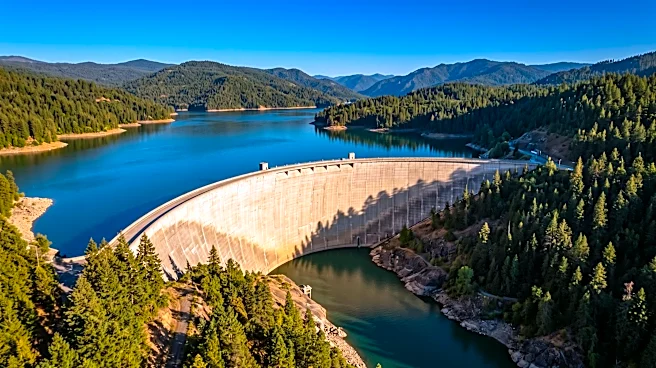
process for hydropower dams. The new law requires the Federal Energy Regulatory Commission (FERC) to provide an annual report to Congress detailing the status of each hydropower dam license or relicensing application. This measure is intended to offer greater clarity to communities and dam operators regarding license statuses and equip Congress with tools to further streamline the process. The legislation has garnered support from various organizations, including the National Hydropower Association, American Whitewater, and American Rivers, all of whom emphasize the importance of efficient and transparent processes for managing hydropower resources and river health. Hydropower facilities typically need to relicense their operations with FERC every 30 to 50 years, a process that currently averages seven to ten years to complete.
Why It's Important?
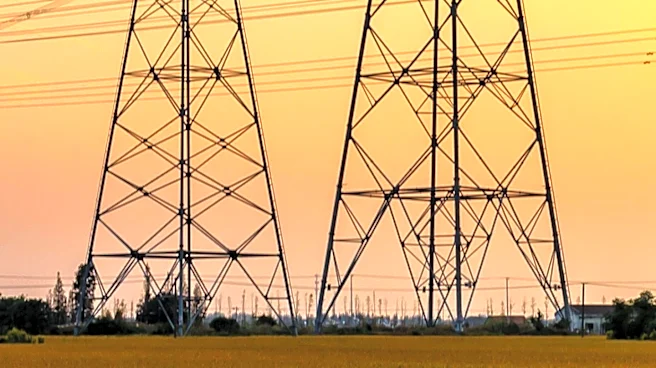
The signing of the Hydropower Licensing Transparency Act into law is significant for the U.S. energy sector and environmental management. Hydropower is a crucial source of clean, reliable energy, providing power to 30 million Americans and acting as a grid stabilizer. However, the lengthy and often opaque relicensing process for hydropower dams has been a point of concern, with a recent Department of Energy report indicating that FERC relicensing activity is projected to more than double in the coming decade. This increase threatens resource adequacy and can deter new hydropower projects due to high costs and delays. By increasing transparency and providing Congress with regular updates on licensing statuses, the new law aims to reduce federal red tape, potentially accelerating project approvals and re-approvals. This could lead to lower energy costs, improved management of river resources, and a more predictable regulatory environment for both existing dam operators and potential new developers, ultimately bolstering the nation's clean energy infrastructure.
What's Next?
Following the enactment of the Hydropower Licensing Transparency Act, the Federal Energy Regulatory Commission (FERC) will be required to begin submitting annual reports to Congress on the status of all hydropower dam license and relicensing applications. This new reporting requirement is expected to provide immediate and ongoing oversight, allowing Congress to identify bottlenecks and areas for further improvement in the licensing process. Stakeholders, including dam operators, environmental groups, and local communities, will likely use this increased transparency to better track the progress of applications and advocate for more efficient resolutions. The law's implementation could lead to a reduction in the average seven to ten-year timeline for relicensing, potentially encouraging more investment in hydropower infrastructure and supporting the expansion of clean energy. Congresswoman Schrier has expressed her commitment to continuing this work, suggesting that further legislative actions to streamline the FERC process could be considered based on the insights gained from these annual reports.
Beyond the Headlines
Beyond the immediate benefits of streamlining hydropower licensing, this legislation touches upon broader themes of regulatory efficiency, environmental stewardship, and energy policy. The act's emphasis on transparency could foster greater public trust and accountability in how critical national resources, such as rivers and energy infrastructure, are managed. By making the licensing process more understandable and accessible, it could empower local communities and environmental organizations to engage more effectively, ensuring that both energy needs and ecological health are considered. Furthermore, the law highlights the ongoing challenge of balancing clean energy production with environmental protection, particularly concerning dam operations. Its success could serve as a model for addressing similar bureaucratic hurdles in other sectors, demonstrating how targeted legislative interventions can reduce red tape while promoting sustainable development and economic stability. The long-term impact could include a more resilient and diversified national energy grid, less reliant on fossil fuels, and better-managed river ecosystems.