
What's Happening?
Vermont Governor Phil Scott has transitioned from using an electric vehicle (EV) as his official state-issued vehicle to a hybrid, citing difficulties with the state's EV charging infrastructure. Four
years ago, Governor Scott made headlines as the first governor in the country to adopt an EV, a Ford Lightning electric truck, with the intention of promoting EV adoption among Vermonters. He reported putting approximately 70,000 miles on the vehicle and praised its performance in snowy conditions. However, he disclosed this week that he switched to a hybrid last fall due to the persistent challenge of finding available charging stations while traveling. Despite this personal change, Governor Scott affirmed his continued advocacy for electric vehicles, emphasizing the need for improvements in charging speed, battery life, and overall infrastructure to enhance their practicality for wider adoption.
Why It's Important?
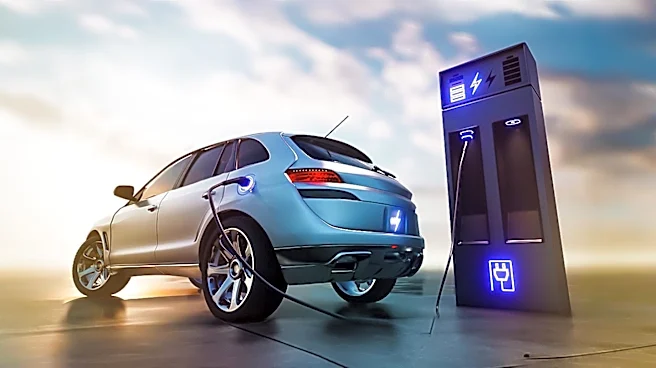
Governor Scott's decision is significant because it highlights a major hurdle in the broader adoption of electric vehicles: the availability and reliability of charging infrastructure. As a public figure who actively championed EVs, his experience underscores that even with a strong commitment to electric transportation, practical limitations can impede widespread use. This situation reflects a national challenge as states and the federal government push for EV expansion. Insufficient charging stations, particularly in rural areas or along less-traveled routes, can create 'range anxiety' for drivers and deter potential EV buyers. His move to a hybrid, rather than a purely gasoline-powered vehicle, suggests a pragmatic approach to environmental goals, acknowledging that current EV technology and infrastructure may not yet meet all user needs. This could influence public perception and policy discussions regarding the pace and strategy of EV infrastructure development.
What's Next?
Governor Scott's continued advocacy for EVs, despite his personal switch, indicates that Vermont will likely maintain its focus on improving electric vehicle infrastructure. This could lead to increased state investment in charging stations, particularly in underserved areas, and potentially new incentives for private companies to expand their charging networks. The governor's experience may also prompt a re-evaluation of current EV adoption strategies, emphasizing the need for a more robust and accessible charging ecosystem before expecting widespread consumer transition. Other states and policymakers might take note of Vermont's challenges, potentially adjusting their own EV rollout plans to prioritize infrastructure development alongside vehicle incentives. The incident underscores that the transition to electric vehicles is a complex process requiring continuous technological advancements and significant infrastructure investment.
Beyond the Headlines
This event touches upon the broader societal and economic implications of the green energy transition. While the push for EVs is driven by environmental concerns and the desire to reduce carbon emissions, the practicalities of implementation, such as infrastructure readiness, are crucial. Governor Scott's experience illustrates the 'last mile' problem in sustainability initiatives, where the vision for a greener future meets the realities of current technological and logistical limitations. It also highlights the importance of public trust and leadership by example; when a prominent advocate encounters difficulties, it can either reinforce skepticism or galvanize efforts to overcome the obstacles. This situation could spark deeper conversations about the balance between ambitious environmental goals and the need for practical, user-friendly solutions that ensure a smooth transition for all citizens, not just early adopters.