







What's Happening?
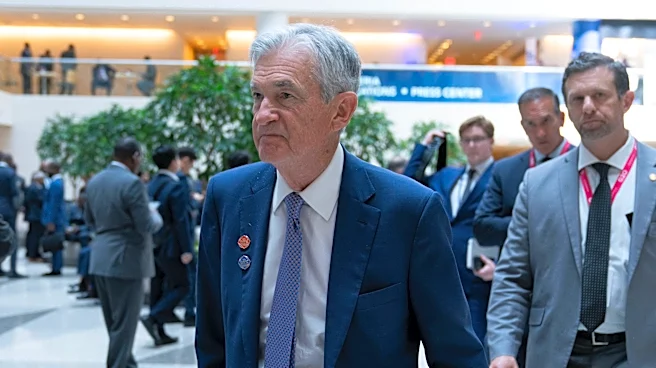
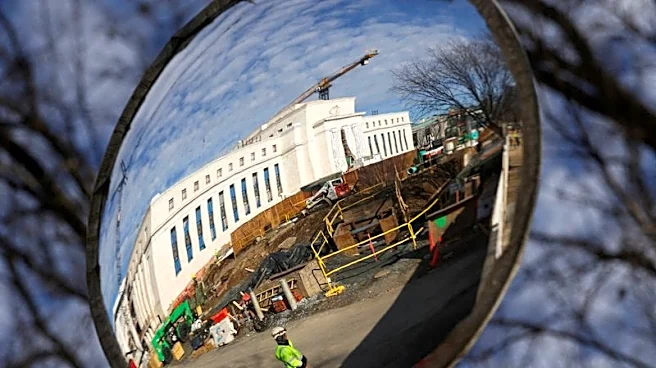
The Department of Justice has terminated its criminal investigation into Federal Reserve Chair Jerome Powell, which was centered on a multi-billion-dollar renovation project at the Fed's headquarters. This decision, announced by Jeanine Pirro, the top
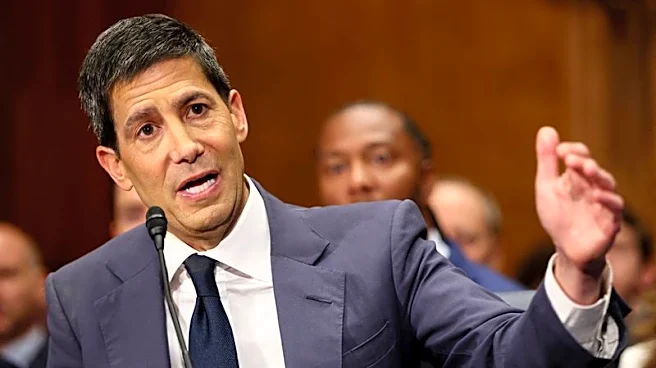
federal prosecutor in D.C., comes after a federal judge quashed subpoenas related to the investigation. The probe's conclusion removes a significant barrier to the Senate confirmation of Kevin Warsh, President Trump's nominee to replace Powell. The investigation had been criticized as a means to pressure Powell into aligning with Trump's interest rate policies. The Inspector General of the Federal Reserve will now conduct a review of the project's cost overruns, which had been the basis for the DOJ's investigation.
Why It's Important?
The termination of the investigation is a pivotal moment for the Federal Reserve's leadership and its future policy direction. With the path cleared for Kevin Warsh's nomination, there could be significant changes in the Fed's approach to monetary policy, potentially aligning more closely with President Trump's economic objectives. This development underscores the political tensions surrounding the Federal Reserve's independence and the scrutiny over its fiscal management. The Inspector General's review will be crucial in addressing public and legislative concerns about the Fed's financial oversight, potentially influencing future policy and leadership decisions.
What's Next?
The Inspector General's review of the renovation project's cost overruns is expected to provide a detailed account of the fiscal management issues at the Federal Reserve. This report will be critical in informing the Senate Banking Committee's ongoing oversight efforts. The confirmation process for Kevin Warsh is likely to advance, with the White House expressing confidence in his swift approval. The findings of the Inspector General's review will play a significant role in shaping the narrative around the Federal Reserve's fiscal practices and could impact future policy and leadership decisions.