






What's Happening?
Health anxiety, also known as illness anxiety disorder, involves persistent and excessive worry about having or developing a serious health condition, even in the absence of significant medical evidence or after receiving medical reassurance. This condition can manifest
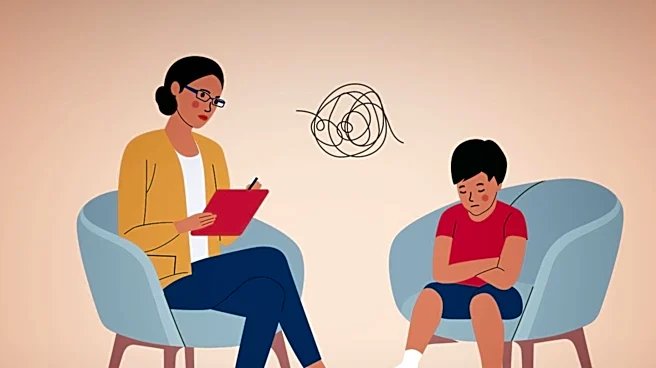
through emotional symptoms like constant fear of illness and difficulty controlling health-related worries, behavioral symptoms such as repeatedly checking the body, frequently searching symptoms online, and seeking constant reassurance, and physical symptoms like rapid heartbeat, muscle tension, and dizziness, which can be caused by anxiety itself. The National Institute of Mental Health (NIMH) notes that anxiety disorders involve persistent worry that interferes with daily life. Health anxiety can create a cycle where physical sensations lead to frightening interpretations, increasing anxiety, which in turn can cause more physical sensations. Treatment approaches are individualized and often include psychotherapy, particularly Cognitive Behavioral Therapy (CBT), which helps individuals recognize unhelpful thought patterns and develop healthier responses to anxious thoughts. Medication may also be considered when clinically appropriate.
Why It's Important?
Health anxiety can significantly impact an individual's quality of life, affecting relationships, work, sleep, and the ability to concentrate. The constant cycle of fear, checking, and reassurance-seeking can be distressing and debilitating, making ordinary body sensations feel threatening. In the U.S., where access to health information is abundant, the tendency to self-diagnose through online searches can exacerbate health anxiety, as a single symptom search can yield numerous serious conditions, increasing fear rather than providing reassurance. Understanding health anxiety is crucial for both individuals experiencing it and healthcare providers, as it helps differentiate between genuine medical concerns and anxiety-driven worries. Effective treatment can help individuals regain control over their thoughts and behaviors, reducing the burden on the healthcare system from unnecessary medical appointments and tests, and improving overall mental well-being. Recognizing the symptoms and seeking professional help can prevent the condition from escalating and interfering with daily functioning.
What's Next?
Individuals experiencing persistent, difficult-to-control health worries that affect their daily life are encouraged to seek professional help. A qualified mental health professional can conduct an evaluation to distinguish health anxiety from other anxiety conditions or actual medical concerns. Treatment plans will be personalized based on symptoms, medical history, and individual needs. Psychotherapy, especially CBT, will continue to be a primary approach, focusing on learning to recognize anxiety patterns, reducing reassurance-seeking, addressing catastrophic thoughts, and developing healthier responses to physical sensations. Managing stress, improving sleep, and daily routines are also key components. While medication is not always necessary, it may be considered by a healthcare professional after a thorough evaluation. The goal of treatment is not to eliminate all health-related thoughts but to enable individuals to respond to these thoughts differently, allowing them to tolerate uncertainty and return their attention to everyday life.
Beyond the Headlines
The prevalence of health anxiety highlights a broader societal challenge related to information overload and the accessibility of medical information online. While the internet offers valuable resources, it can also fuel health-related fears, creating a paradox where more information leads to greater anxiety for some. This phenomenon underscores the importance of media literacy and critical thinking when consuming health-related content. Ethically, healthcare providers face the challenge of validating patients' concerns while also guiding them away from excessive and unfounded worries. The discussion around health anxiety also touches upon the stigma associated with mental health conditions, as individuals may feel their worries are not legitimate if they are 'just anxiety.' Addressing health anxiety requires a holistic approach that integrates mental health support with general medical care, fostering an environment where individuals feel heard and receive appropriate, evidence-based treatment for both their physical and psychological well-being.