





What's Happening?
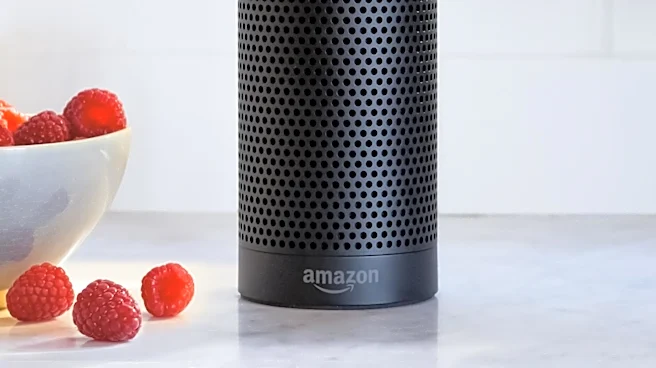
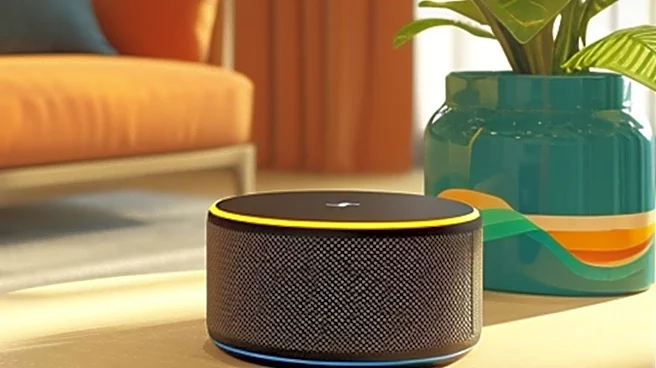
The 3rd generation Amazon Echo Dot (2018 model, identified by 'donut' or D9N29T) can be re-purposed as a fully local Home Assistant voice satellite. This modification allows the device to retain Amazon's microphone array and wake word engine ('Alexa',
'Echo', 'Computer', 'Amazon', or 'Ziggy') while operating without cloud dependency. The process involves opening the device, soldering or clipping onto USB test pads, and unlocking the bootloader using the 'kamakiri-donut' exploit from XDA. A small daemon on the Echo then communicates with Home Assistant via its native API, making it appear as an ESPHome voice satellite. This setup maintains the Echo Dot's original audio stack, including echo cancellation, beamforming, and mic calibration, ensuring it can hear commands across a room and over its own music. All cloud services are stopped at boot, and a firewall restricts communication to local addresses only, preventing data transmission to Amazon.
Why It's Important?
This development is significant for users seeking greater privacy and local control over their smart home devices. By detaching the Echo Dot from Amazon's cloud services, users can mitigate concerns about data collection and surveillance associated with always-on listening devices. For the Home Assistant community, it offers a cost-effective way to integrate high-quality microphone arrays and wake word detection into their local smart home ecosystems, leveraging existing hardware. This could reduce reliance on proprietary cloud-based voice assistants and foster more open-source, user-controlled smart home solutions. It also presents a technical challenge and opportunity for enthusiasts to extend the lifespan and functionality of older devices, promoting sustainability in consumer electronics by giving them new utility beyond their original design.
What's Next?
Users interested in this modification will need a Linux PC and the technical skills to perform hardware modifications, including soldering. The project's creator notes that the process can potentially brick the device, so caution is advised. Future developments may include broader compatibility with other Echo Dot models or simplified installation methods, though the current method is specific to the 2018 3rd Gen Echo Dot. The Home Assistant community will likely continue to refine the software and provide support for those undertaking this conversion. This initiative could inspire similar projects for other smart devices, pushing the boundaries of local control and privacy in the smart home sector.
Beyond the Headlines
This project highlights a growing trend among tech-savvy consumers to 'de-cloud' their smart devices, reclaiming control over their data and hardware. It underscores the tension between convenience offered by cloud-connected services and the desire for privacy and local autonomy. The ability to repurpose a mass-market device like the Echo Dot for a completely different, privacy-focused function challenges the traditional consumer model of planned obsolescence and vendor lock-in. It also raises questions about the ethical implications of device manufacturers' control over hardware capabilities and the potential for user communities to unlock new functionalities not intended by the original designers. This movement could influence future product designs, pushing manufacturers to offer more local processing options or open platforms.