






What's Happening?
The United Nations Development Programme (UNDP) is emphasizing the critical need for urgent climate action to meet the goals set by the Paris Agreement. The agreement aims to limit the global temperature increase to well below 2°C, with efforts to stay
below 1.5°C. Countries are required to regularly formulate climate action plans through Nationally Determined Contributions (NDCs), outlining their emission targets and policy actions. Recent assessments indicate that while there is progress, current policies and pledges are insufficient to meet these targets. The Global Methane Pledge, signed by 159 countries, aims to reduce global methane emissions by 30% from 2020 levels by 2030. However, current climate policies heavily rely on CO2 mitigation, and direct methane mitigation is crucial for effectively reducing emissions. The UNDP continues to play a crucial role in facilitating global efforts through its programs and partnerships.
Why It's Important?
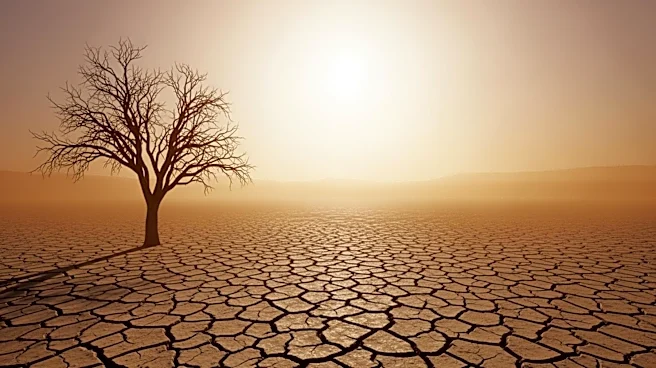
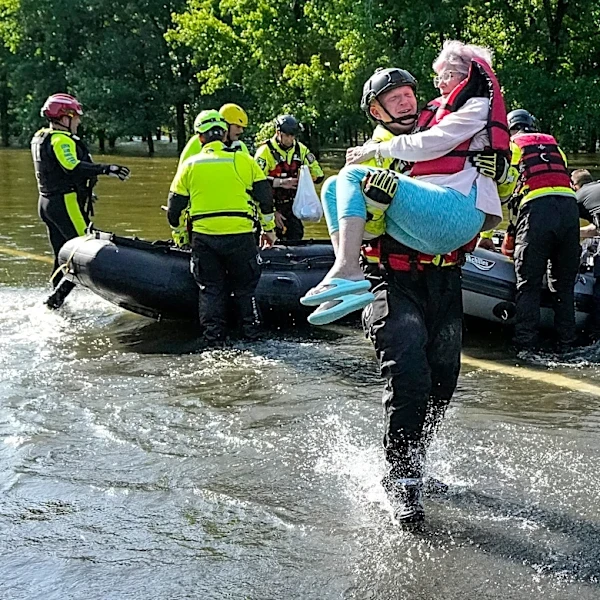
The significance of this development lies in its potential impact on global climate policy and the environment. Meeting the Paris Agreement goals is essential to mitigate the adverse effects of climate change, which include extreme weather events, rising sea levels, and biodiversity loss. The UNDP's emphasis on urgent action highlights the need for countries to enhance their climate commitments and implement effective policies. Failure to meet these targets could result in severe environmental and economic consequences, affecting industries, public health, and global stability. The focus on methane reduction is particularly important, as methane is a potent greenhouse gas with a significant impact on global warming.
What's Next?
Countries are expected to enhance their climate commitments and implement more ambitious policies to meet the Paris Agreement goals. This includes increasing renewable energy capacity, improving energy efficiency, and transitioning away from fossil fuels. The UNDP will continue to support countries in these efforts through its programs and partnerships. The upcoming global stocktake will provide an opportunity to assess progress and identify areas for improvement. Stakeholders, including governments, businesses, and civil society, are likely to play a crucial role in driving climate action and ensuring accountability.