




What's Happening?
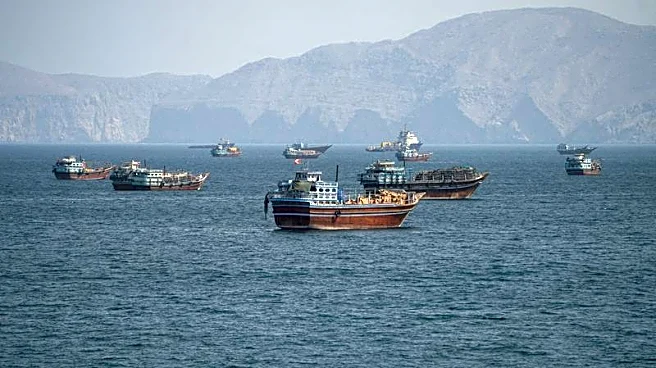
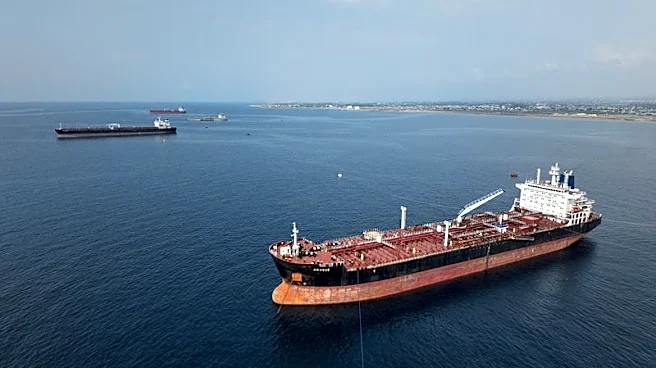
Pakistan is experiencing a severe energy crisis exacerbated by the ongoing Middle East conflict, which has disrupted global oil markets and increased prices. The closure of the Strait of Hormuz, a critical oil passage, led to a significant cut in international
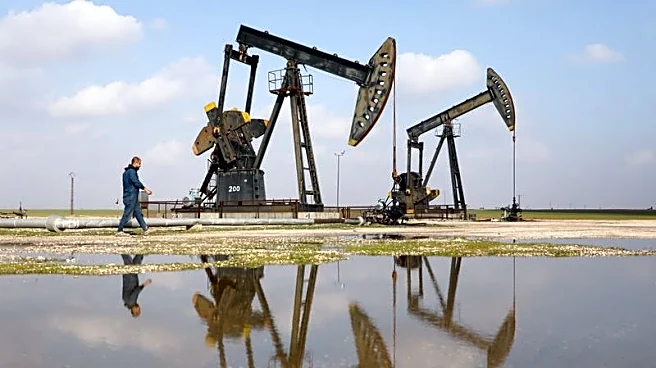
oil supply and a surge in Brent crude prices. Pakistan, importing over 80% of its crude oil from Gulf states, is heavily impacted by these price hikes, leading to increased import expenses and pressure on its foreign exchange reserves. The country's annual petroleum import expenditure, estimated at $15-16 billion before the conflict, is projected to increase by billions. Additionally, the disruption of liquefied petroleum gas (LPG) supply due to the closure of the Iran border has caused shortages and price surges, particularly affecting households in northern Pakistan and remote areas that rely on LPG for cooking and heating. Pakistan produces only about a quarter of its LPG needs, importing the rest primarily from Iran.
Why It's Important?
This energy crisis poses a significant threat to Pakistan's already fragile economy and the well-being of its citizens. Increased fuel prices translate to higher transportation and freight costs, leading to inflated prices for essential goods like food and electricity. This disproportionately affects lower-income families, who spend a large portion of their income on basic necessities, pushing more people into extreme poverty. The crisis highlights Pakistan's long-standing energy infrastructure and supply problems, including a lack of strategic petroleum reserves and heavy reliance on imported fossil fuels. The inability to secure stable and affordable energy supplies undermines economic stability, exacerbates inflation, and deepens social inequality, making it harder for the country to achieve sustainable development goals.
What's Next?
Pakistan faces the immediate challenge of securing alternative energy supplies and managing the economic fallout from rising import costs. Efforts are reportedly underway to increase seaborne LPG supplies, but consumers have yet to see relief. The government will need to address the structural issues in its energy sector, including diversifying supply sources, increasing investment in domestic energy resources, and expanding renewable energy capacity. Without significant reforms, the country will remain vulnerable to external shocks in global energy markets. Internationally, Pakistan is expected to continue diplomatic efforts to advocate for stable energy transportation lanes and support for import-dependent nations. Domestically, the government may consider temporary subsidies, though these are not sustainable long-term solutions.
Beyond the Headlines
The energy crisis in Pakistan reveals deeper systemic vulnerabilities beyond immediate supply disruptions. It underscores the critical need for a comprehensive national energy policy that prioritizes long-term security, diversification, and resilience. The recurring nature of LPG shortages in winter, even without major external shocks, points to inadequate advance planning and weak market oversight. This situation also highlights the social equity implications of energy policy, as the most vulnerable populations bear the brunt of price increases and supply shortages. The crisis serves as a stark reminder that energy security is not merely an economic issue but a fundamental component of national stability and social justice, requiring strategic investment and robust governance to mitigate future risks.