






What's Happening?
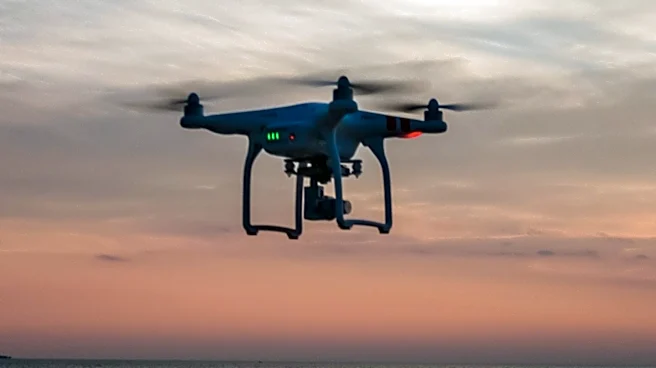
The Russian roll-on/roll-off cargo ship Lady Mariia, which is currently under U.S. and Ukrainian sanctions, was reportedly attacked by drones in the Mediterranean Sea. Andrii Klymenko, head of Ukraine’s Institute for Black Sea Strategic Studies, reported the incident,
stating the vessel was en route to Syria. Footage of the attack, showing drones dropping munitions and a subsequent fire, was published by Klymenko and Russian opposition commentator Alexander Nevzorov. Nevzorov claimed the ship was hit 12 times and suggested the drones were launched by Ukrainian forces from Libyan territory, carrying Iranian weapons and armored vehicles intended for Russia. Klymenko also hinted at a Libyan origin for the drones. Ukrainian authorities have not officially commented on the attack, and details regarding the number of hits, drone origin, and cargo remain unconfirmed. The Ukrainian outlet UNITED24 Media noted that claims about Iranian weapons and a Libyan launch point are based solely on Nevzorov’s reporting and lack independent verification. The Lady Mariia had departed St. Petersburg in early August, passed through the Strait of Gibraltar on August 29, and called at the Algerian port of Oran before heading east across the Mediterranean. Its AIS signal ceased transmitting on the evening of September 5.
Why It's Important?
This incident highlights the ongoing tensions and potential for conflict in international waters, particularly involving vessels linked to sanctioned entities. The alleged involvement of Ukrainian forces, even if unconfirmed, and the suggestion of a launch point from Libyan territory, could escalate geopolitical complexities in the Mediterranean region. The reported cargo of Iranian weapons and armored vehicles, if true, would indicate a significant breach of international sanctions and a direct supply chain for military aid to Russia, potentially impacting the balance of power in ongoing conflicts. The use of drones in such an attack also underscores the evolving nature of naval warfare and the increasing vulnerability of maritime assets to unmanned aerial systems. For the U.S., this event could necessitate a review of existing sanctions enforcement, maritime security protocols, and diplomatic engagements with involved nations to prevent further destabilization of critical shipping lanes and to address potential violations of international law.
What's Next?
Further investigations are likely to be conducted by international maritime authorities and intelligence agencies to verify the details of the attack, including the origin of the drones, the nature of the cargo, and the extent of the damage to the Lady Mariia. Ukrainian authorities may face increased pressure to officially comment on the incident and clarify their involvement, if any. The U.S. and its allies will likely monitor the situation closely, potentially considering additional sanctions or diplomatic actions if the claims of Iranian weapons shipments to Russia are substantiated. The incident could also prompt a re-evaluation of maritime security measures in the Mediterranean, particularly for vessels under sanctions or those suspected of carrying illicit cargo. The Lady Mariia's next port of call and the disposition of its cargo will be critical points of interest, as will any official statements from Russia, Iran, or Libya regarding the alleged attack and its implications.
Beyond the Headlines
The alleged drone attack on the Lady Mariia, if confirmed to involve Ukrainian forces operating from Libyan territory, could set a dangerous precedent for the use of proxy forces and unconventional warfare tactics in international waters. This scenario raises complex questions about national sovereignty, the legality of such operations, and the potential for unintended escalation. The unconfirmed claims of Iranian weapons being transported to Russia via this route underscore the intricate web of alliances and illicit supply chains that circumvent international sanctions, posing a significant challenge to global security and non-proliferation efforts. Furthermore, the incident highlights the growing role of non-state actors or state-sponsored proxies in maritime conflicts, blurring the lines of accountability and making attribution difficult. This could lead to a more volatile maritime environment, impacting global trade, insurance markets, and the freedom of navigation for all vessels, regardless of their affiliation.