



What's Happening?
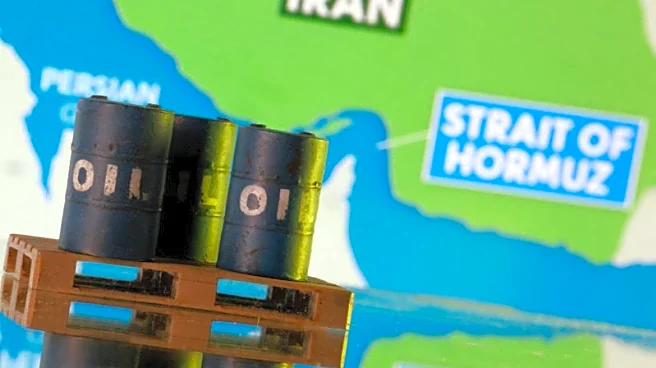
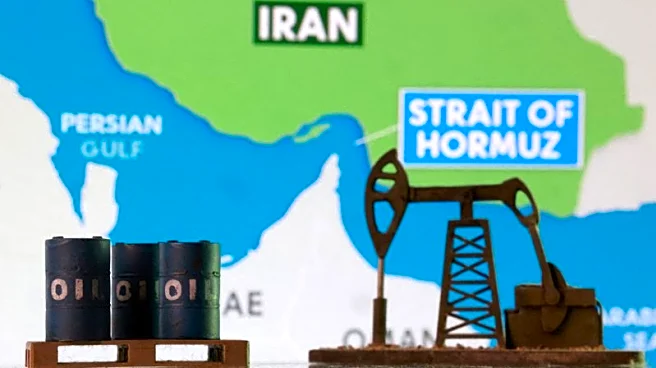
Oil prices have surged due to disruptions in tanker traffic through the Strait of Hormuz, following U.S. and Israeli attacks on Iran. The conflict has led to increased uncertainty about global oil supply, with U.S. oil prices rising by 7.6% and Brent
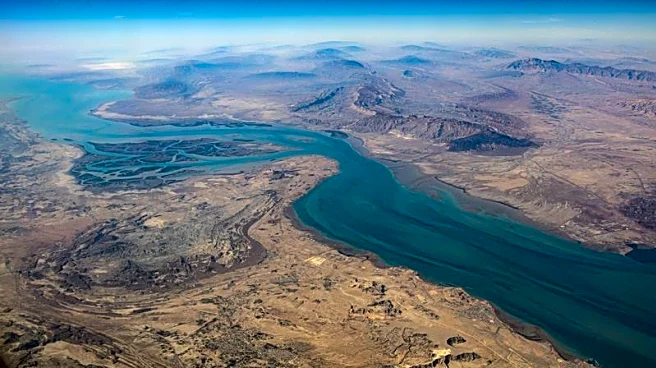
crude by 8.6%. The Strait of Hormuz is a critical passage for 20% of the world's oil supply, and recent attacks have heightened concerns about electronic interference and vessel safety. Additionally, Saudi Arabia has shut down the Ras Tanura refinery as a precaution after intercepting Iranian drones.
Why It's Important?
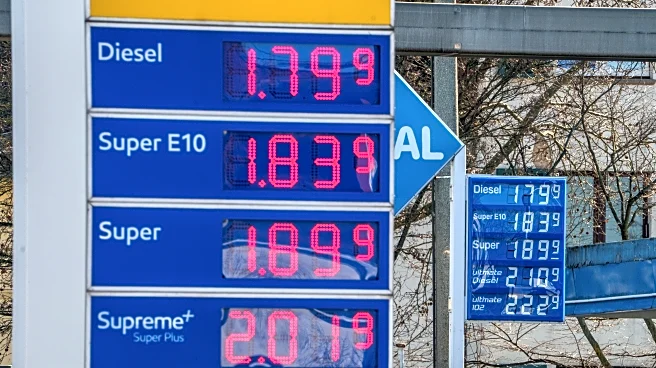
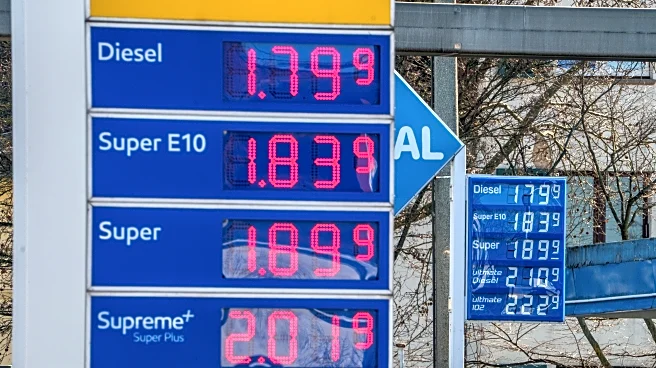
The rise in oil prices could lead to higher gasoline costs for U.S. consumers, impacting inflation and economic stability. The Strait of Hormuz is a vital route for global oil and gas exports, and any prolonged disruption could significantly affect global energy markets. The situation underscores the geopolitical risks associated with energy supply routes and the potential for broader conflict in the Middle East, which could further destabilize global markets.
What's Next?
The ongoing conflict may lead to further disruptions in oil supply, with potential impacts on other Gulf countries. The U.S. and its allies may need to take measures to ensure the security of energy infrastructure and supply routes. The situation is likely to remain volatile, with oil prices potentially rising further if the conflict escalates.
Beyond the Headlines
The geopolitical tensions in the Strait of Hormuz highlight the vulnerability of global energy supply chains to regional conflicts. The situation may prompt countries to seek alternative energy sources or routes to mitigate risks, potentially accelerating shifts towards renewable energy and diversification of supply.