





What's Happening?
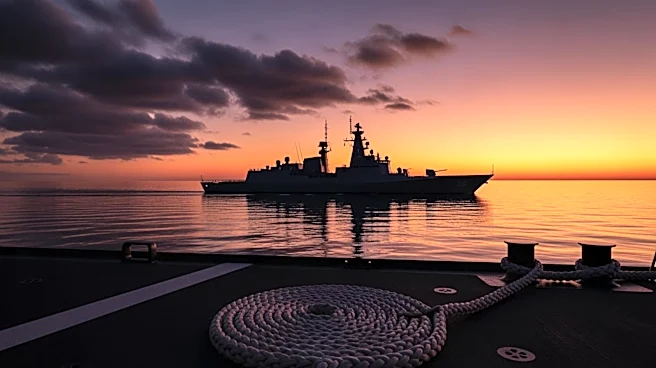
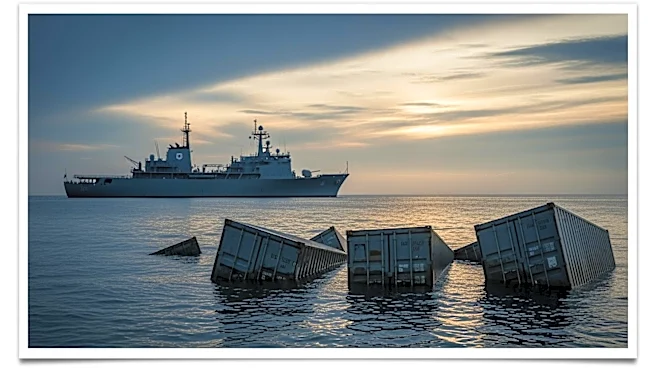
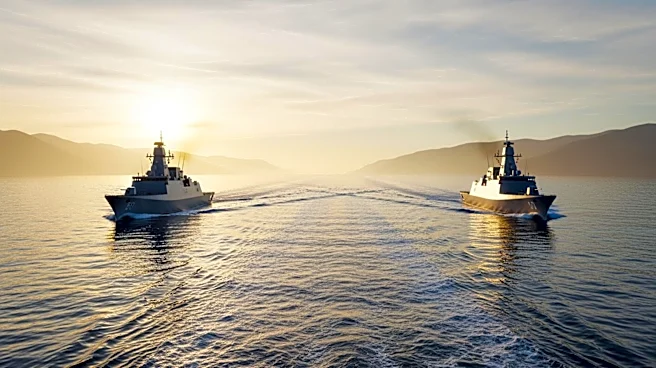
The U.S. has announced a naval blockade of the Strait of Hormuz, a critical global shipping route, which will be enforced against vessels entering or departing Iranian ports. This move, declared by President Trump, aims to block any ships from entering or leaving
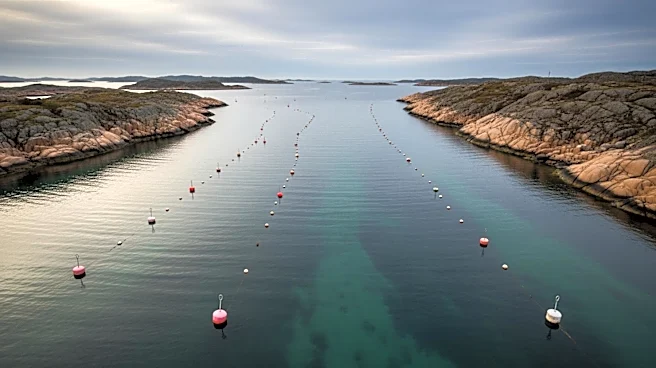
the strait. In response, Iran has threatened to retaliate by potentially leveraging its Houthi allies in Yemen to disrupt another vital shipping route, the Bab al-Mandeb. This chokepoint links the Red Sea to the Gulf of Aden and is crucial for global oil shipments. The Houthis, an Iran-backed group, have previously posed threats to U.S. assets in the region, including commercial vessels. The situation escalates tensions in the Middle East, with potential implications for global energy markets.
Why It's Important?
The blockade of the Strait of Hormuz by the U.S. could significantly impact global oil supply, as the strait is a major conduit for oil shipments from the Gulf region. Iran's potential retaliation by targeting the Bab al-Mandeb could further strain global energy markets, affecting oil prices and international trade. The involvement of the Houthis adds a layer of complexity, as their actions could disrupt shipping routes critical to Saudi Arabia and other Gulf countries. This development underscores the fragile geopolitical dynamics in the Middle East and the potential for broader conflict affecting global economic stability.
What's Next?
The international community is likely to monitor the situation closely, with potential diplomatic efforts to de-escalate tensions. The U.S. may face pressure from allies and global trade partners to find a resolution that ensures the free flow of oil and goods through these strategic waterways. Iran's response and the actions of the Houthis will be critical in determining the next steps. Any escalation could lead to increased military presence in the region and further complicate U.S.-Iran relations.
Beyond the Headlines
The blockade and potential retaliatory actions highlight the strategic importance of maritime chokepoints in global trade and energy supply. The situation raises questions about the security of international shipping routes and the role of regional powers in maintaining stability. The involvement of non-state actors like the Houthis in geopolitical conflicts also points to the complexities of modern warfare and the challenges in addressing asymmetric threats.