




What's Happening?
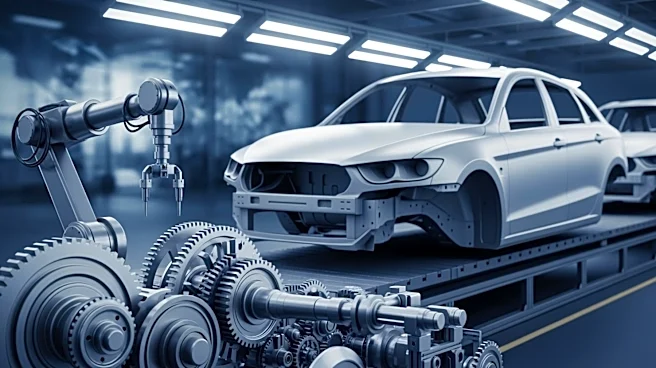
The Trump administration is reportedly in discussions with major automakers like General Motors and Ford to produce military supplies amid ongoing conflicts in Iran and Ukraine. The Pentagon has approached these companies to explore their capacity to manufacture
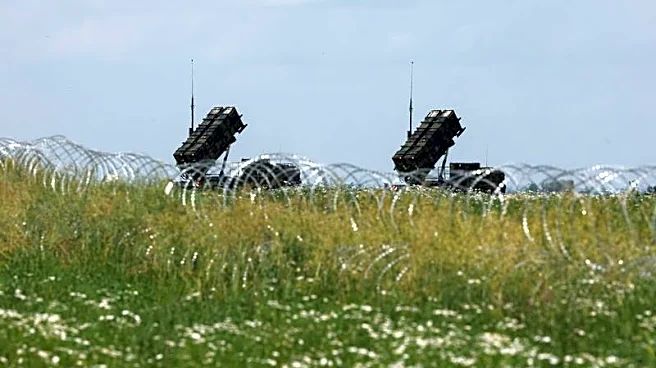
weapons and munitions, drawing parallels to their role during World War II. This initiative comes as the U.S. and NATO have been supplying weapons to Ukraine following Russia's invasion in 2022, raising concerns about domestic weapons manufacturing capacity. Ford CEO Jim Farley has previously highlighted the shortage of skilled technicians as a potential issue for defense production, emphasizing the need for a skilled workforce to support such efforts.
Why It's Important?
The move to involve automakers in defense production highlights the strategic importance of bolstering domestic manufacturing capabilities in times of conflict. It underscores the need for a robust industrial base that can quickly adapt to national security demands. However, the initiative also brings to light challenges such as workforce shortages and the need for skilled labor, which could hinder production efforts. The administration's focus on increasing defense spending while cutting non-defense programs has sparked debate over resource allocation and priorities.
What's Next?
As discussions continue, automakers may need to assess their production capabilities and workforce needs to meet potential defense contracts. The administration's proposed budget, which includes significant increases in defense spending, will likely face scrutiny and debate in Congress. The outcome of these discussions could shape the future of U.S. defense manufacturing and its ability to respond to international conflicts.