






What's Happening?
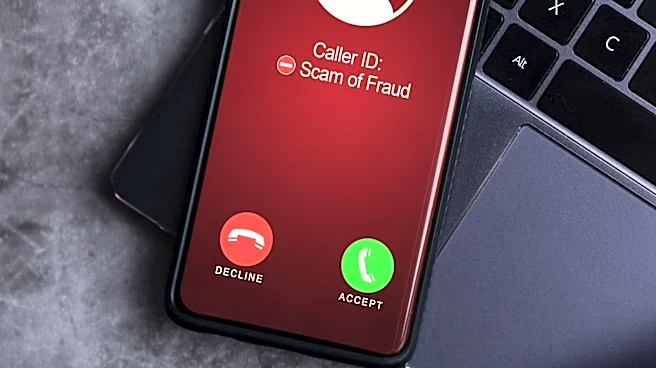
The Davidson County Sheriff’s Office (DCSO) has taken down active inmate and recent booking information from its website. This action was prompted by a surge in telephone scams that exploited the publicly available data. According to Fox17 News, scammers
were reportedly automating the use of this information to target arrestees and their families. These fraudsters would impersonate DCSO employees and demand payments via cryptocurrency, gift cards, or mobile applications. The DCSO has emphasized that it never requests payment over the phone and issued a warning on October 8th. While the online data has been removed, arrestee information remains accessible through the DCSO's 24-hour phone line. Separately, the Rutherford County Sheriff’s Office issued a warning about a company named '2nd Chance Bonding' falsely claiming affiliation and offering rehab assistance to incarcerated individuals.
Why It's Important?
This incident highlights a critical vulnerability in public data accessibility and its potential for exploitation by criminals. The removal of inmate data from the DCSO website is a direct response to protect citizens from financial fraud, underscoring the need for government agencies to balance transparency with security. The use of automated systems by scammers to target vulnerable individuals and their families demonstrates the evolving sophistication of cybercrime. This situation could prompt other law enforcement agencies across the U.S. to re-evaluate their online data sharing policies to prevent similar scams. For the public, it serves as a stark reminder to be vigilant against unsolicited requests for payment, especially those involving unconventional methods like cryptocurrency or gift cards.
What's Next?
Following this incident, it is likely that other sheriff's offices and correctional facilities nationwide will review their current practices regarding the online publication of inmate information. There may be a push for enhanced security measures or alternative methods of information dissemination that do not compromise public safety. The DCSO will continue to provide inmate information through its 24-hour phone line, which may see increased usage. Law enforcement agencies may also intensify public awareness campaigns to educate citizens about common scam tactics and how to verify legitimate requests from official sources. Furthermore, investigations into the scammers responsible for these incidents are expected to continue, aiming to identify and prosecute those exploiting public data for fraudulent purposes.
Beyond the Headlines
This event touches upon broader issues concerning data privacy, digital security, and the ethical implications of public information access. While transparency in government is crucial, this case illustrates the unintended consequences when such data is weaponized by malicious actors. It raises questions about the responsibility of public institutions to safeguard sensitive information, even when it's considered public record. The shift towards more secure, albeit less immediate, access methods like phone lines, could represent a trend where convenience is balanced against the imperative of protecting citizens from sophisticated fraud. This incident also underscores the ongoing challenge for law enforcement to adapt to the digital age, where traditional criminal activities are increasingly migrating to online platforms, requiring new strategies for prevention and enforcement.