



What's Happening?
Fox News contributor Joe Concha has publicly urged Senator Mitch McConnell (R-KY) to either return to his duties in the Senate by September or resign from his position. Concha made these remarks on 'The Big Weekend Show,' expressing frustration over McConnell's
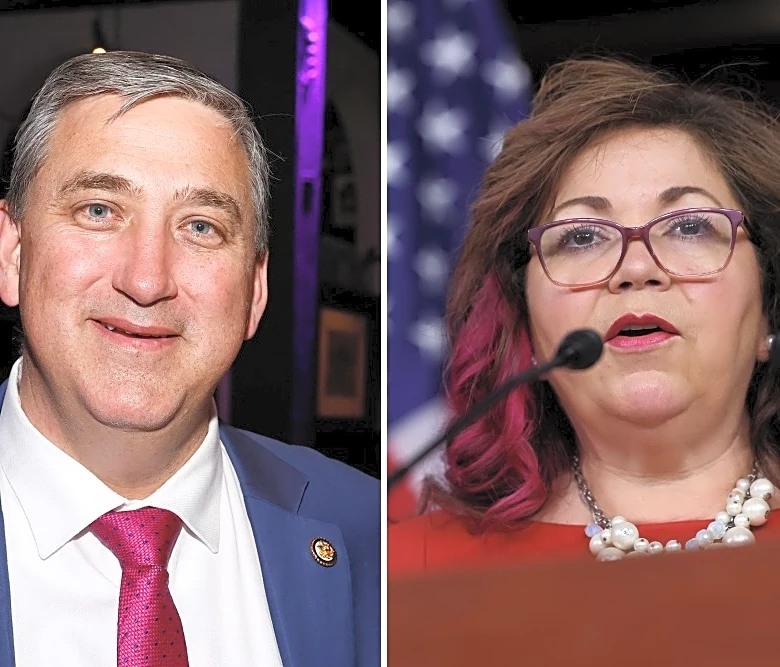
nearly three-month absence from Congress. Senator McConnell, 84, was hospitalized in mid-June after a fall and subsequently developed a mild case of pneumonia. He last voted on June 11. While McConnell's office released a statement in July confirming he did not suffer broken bones, a concussion, heart attack, stroke, tumors, or hemorrhages, and was briefly unconscious, details about his recovery have been limited. He was discharged from a rehabilitation facility in early August and has been recovering at home, working remotely. Rep. James Comer (R-KY) indicated he expects McConnell to return to the Senate in September, based on information from McConnell's staff, though McConnell's spokesperson had previously stated there were no scheduling announcements.
Why It's Important?
Senator McConnell's prolonged absence is significant due to his prominent role as a long-serving leader in the Republican Party and the Senate. His leadership is crucial for legislative strategy, particularly in a closely divided Congress. A continued absence could impact the Republican Party's ability to effectively counter the Democratic agenda or advance its own legislative priorities. The call for his resignation by a prominent media figure reflects growing public and political pressure for transparency regarding his health and ability to perform his duties. This situation also highlights broader concerns about the health and fitness of elderly politicians to serve in demanding roles, potentially sparking debates about age limits or more stringent health disclosure requirements for elected officials. The uncertainty surrounding his return could also affect morale and strategic planning within the Republican caucus.
What's Next?
The immediate next step is the anticipated return of the Senate in September. If Senator McConnell does not return as expected by some, the pressure for him to provide a more definitive update on his health or consider resignation will likely intensify. His staff's assurances of a September return will be closely watched. Should he return, his public appearance and ability to engage in Senate proceedings will be scrutinized to assess his capacity to fulfill his leadership responsibilities. If he does not return, discussions about interim leadership or a potential vacancy in his Senate seat could emerge, leading to significant political maneuvering within Kentucky and the national Republican Party. The situation could also prompt further media commentary and public debate on the accountability of elected officials regarding their health status.
Beyond the Headlines
This situation extends beyond immediate political implications, touching upon the broader societal expectations of public servants and the transparency required in their roles. The lack of detailed updates on Senator McConnell's health has fueled speculation and calls for greater openness, raising questions about the balance between a public figure's right to privacy and the public's right to know about the fitness of their elected representatives. It also underscores the challenges of leadership transitions, particularly when health issues are involved, and how political parties manage such sensitive situations. The incident could contribute to a larger conversation about the demands of political office on individuals, especially as the average age of elected officials continues to rise, potentially influencing future discussions on term limits or mandatory health assessments for high-ranking government positions.