


What's Happening?
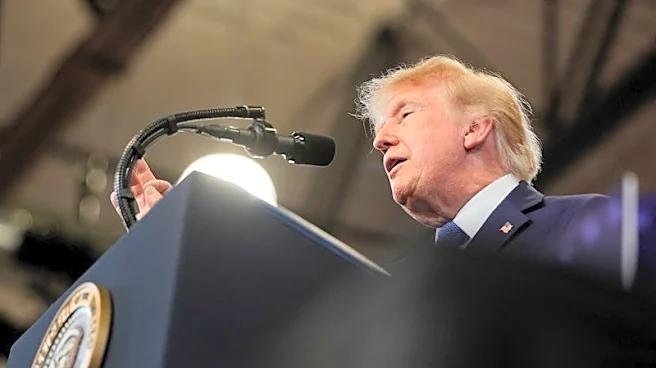
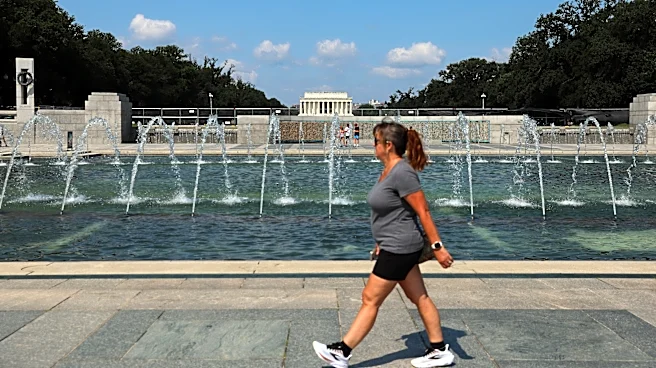
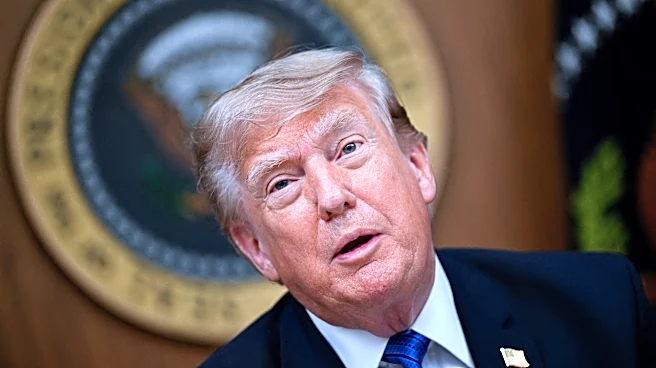
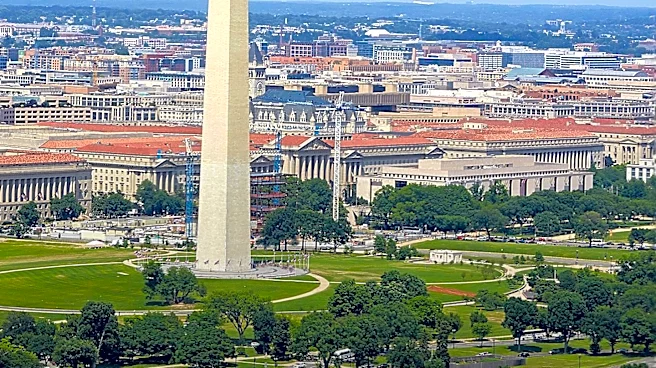
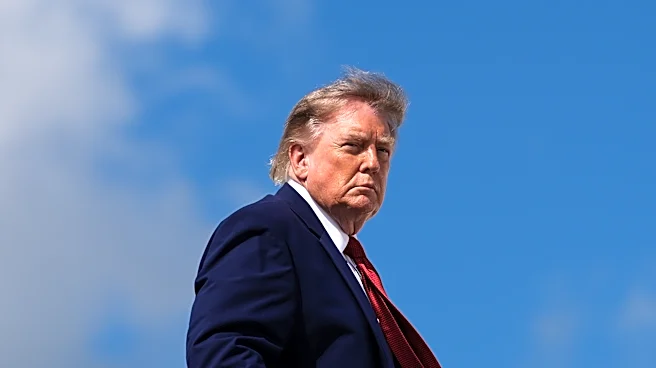
President Trump asserted on Sunday that vandals were responsible for the extensive damage to the grass on the National Mall, specifically near the World War II Memorial. This area was the site of his July 4 celebration, where a large stage was constructed
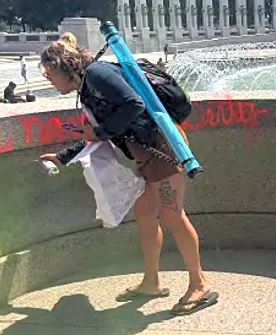
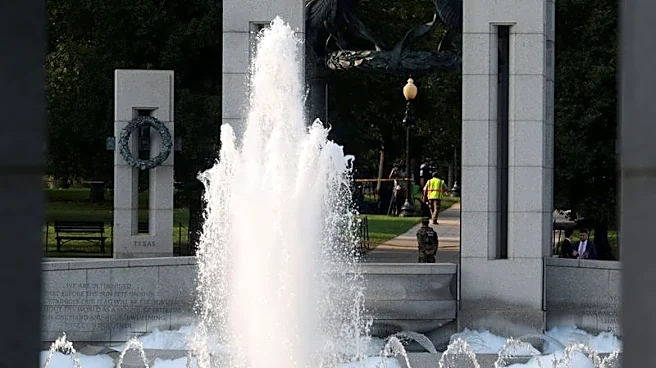
and crowds gathered. In a social media post, President Trump shared a photo depicting the once-grassy area as patchy and brown, attributing the damage to 'VANDALS' without providing evidence to support this claim. He also referenced the Reflecting Pool, stating it was 'vandalized' and would be 'opened again, and better than ever, shortly.' This accusation follows a pattern of President Trump blaming vandals for damage to renovation projects in Washington D.C., often contradicting official accounts. For instance, he previously criticized U.S. Attorney Jeanine Pirro after her office concluded that damage to the Lincoln Memorial Reflecting Pool was due to poor construction, not vandalism. While an arrest was recently made in connection with actual vandalism at the World War II Memorial (graffiti and bubbles in a fountain), charging documents do not link this individual or incident to the damaged grass President Trump highlighted.
Why It's Important?
President Trump's claims regarding vandalism on the National Mall carry significant implications for public discourse and the perception of national landmarks. By attributing the grass damage to vandals, he potentially diverts attention from the impact of large-scale events on public spaces and challenges official explanations. This can contribute to a climate of misinformation and erode public trust in factual reporting and government assessments. The National Mall, as a symbol of American democracy and history, requires careful maintenance, and debates over its condition, especially when politicized, can affect how citizens view and respect these shared spaces. Furthermore, the repeated nature of President Trump's unsubstantiated claims about vandalism, particularly when they contradict official investigations, highlights ongoing challenges in distinguishing fact from assertion in the political arena, impacting civic engagement and critical thinking among the populace.
What's Next?
The immediate aftermath of President Trump's social media post will likely involve continued public discussion and scrutiny, particularly from media outlets and political commentators. Officials responsible for the National Mall's upkeep may issue statements or provide further details regarding the grass damage, potentially reiterating that such wear and tear is common after large events. The incident could also reignite debates about the appropriate use of national monuments for political rallies and the associated costs and environmental impacts. President Trump may continue to use his social media platform to press his claims, potentially influencing public opinion among his supporters. The ongoing maintenance and restoration efforts for the National Mall and its memorials will proceed, regardless of the political rhetoric, as authorities work to preserve these significant national treasures for future generations.
Beyond the Headlines
The controversy surrounding the National Mall's damaged grass extends beyond a simple matter of maintenance; it touches upon deeper themes of political rhetoric, accountability, and the stewardship of national symbols. President Trump's consistent use of 'vandalism' as an explanation for damage, even when official reports suggest otherwise, reflects a broader strategy of shaping narratives and challenging established facts. This approach can have long-term consequences for public trust in institutions and the media. Moreover, the incident underscores the delicate balance between allowing public access and events on national grounds and ensuring their preservation. The National Mall is not just a park; it's a living monument to American ideals, and how its condition is discussed and managed reflects on the nation's respect for its heritage and its commitment to truth in public discourse. The event serves as a reminder of the power of political figures to influence public perception, even on seemingly minor issues.