



What's Happening?
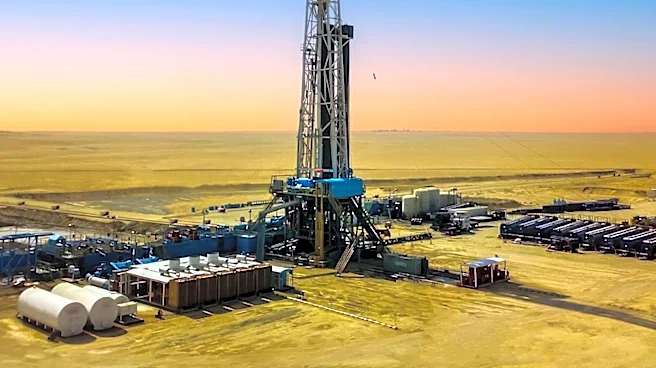
The fossil fuel industry in Colorado is facing accusations of violating a state law by not disclosing chemicals used in drilling operations. A new analysis by the FracTracker Alliance nonprofit alleges this non-disclosure, with state records reportedly
showing the use of illegal or dangerous compounds during fracking. A 2022 Colorado law, the first of its kind, mandates that fossil fuel operators and their suppliers publicly disclose all chemicals utilized in “downhole oil and gas production.” However, regulators have exempted compounds used in drilling, asserting that drilling is not part of production. FracTracker disputes this exemption, arguing it contradicts the widely accepted definition of production, including what is implied in Colorado’s own regulatory literature. Chemicals used in drilling can include hazardous substances such as xylene, toluene, benzene, and PFAS, according to industry records and literature from other regions.
Why It's Important?
This situation is significant because it highlights a potential loophole in environmental regulations designed to protect public health and safety. The non-disclosure of drilling chemicals could expose communities and workers to unknown hazardous substances, as these chemicals can include known toxicants. If the FracTracker Alliance's allegations are accurate, it means that a law intended to increase transparency and accountability in the fossil fuel industry is not being fully enforced or is being circumvented through regulatory interpretation. This could undermine public trust in regulatory bodies and raise questions about the effectiveness of environmental protection laws in Colorado. The debate over what constitutes 'production' in oil and gas operations has broader implications for how environmental regulations are applied and interpreted across the industry.
What's Next?
The allegations by the FracTracker Alliance will likely prompt further scrutiny of the Colorado law and its enforcement. It is probable that environmental advocacy groups will continue to pressure state regulators to re-evaluate their exemption of drilling chemicals from disclosure requirements. This could lead to legal challenges or legislative efforts to clarify the definition of 'production' within the existing law, ensuring that all chemicals used in the extraction process are made public. The fossil fuel industry may face increased public and regulatory pressure to disclose these chemicals, potentially leading to changes in operational practices or increased legal liabilities if violations are confirmed. The outcome could set a precedent for similar disclosure laws in other states.
Beyond the Headlines
Beyond the immediate legal and regulatory implications, this issue touches upon the broader struggle for transparency and corporate accountability in industries with significant environmental impacts. The dispute over the definition of 'production' underscores how technical interpretations of legal language can have profound consequences for environmental protection and public health. It also highlights the ongoing tension between industry interests and environmental advocacy. The potential use of undisclosed dangerous chemicals raises ethical questions about corporate responsibility and the right of communities to know what substances are being used near their homes. This case could fuel a larger conversation about the need for more comprehensive and unambiguous environmental regulations to prevent industries from exploiting definitional ambiguities.