








What's Happening?
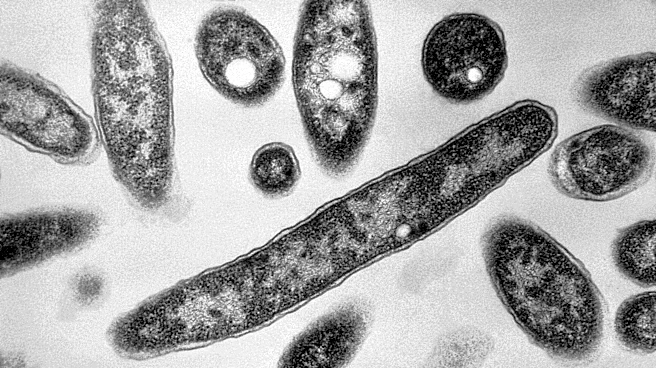
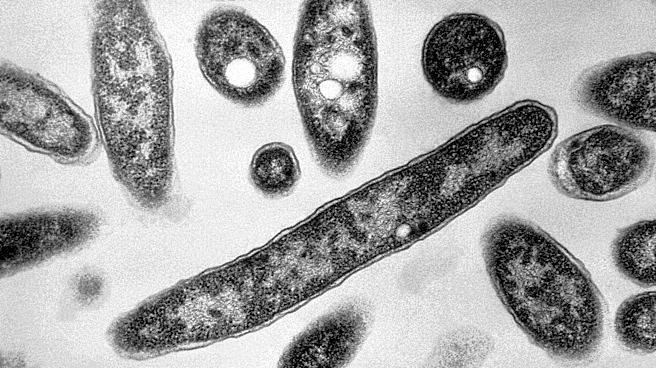
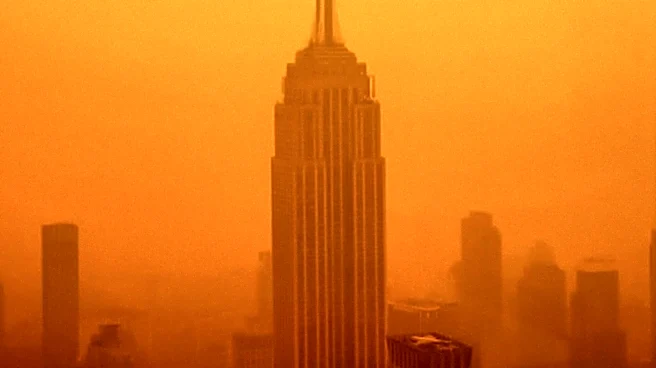
A legionnaires’ disease outbreak in New York City has resulted in the death of one individual, with at least 67 people infected and dozens hospitalized. The outbreak is concentrated on Manhattan’s Upper East Side, where investigators are focusing on air-conditioning
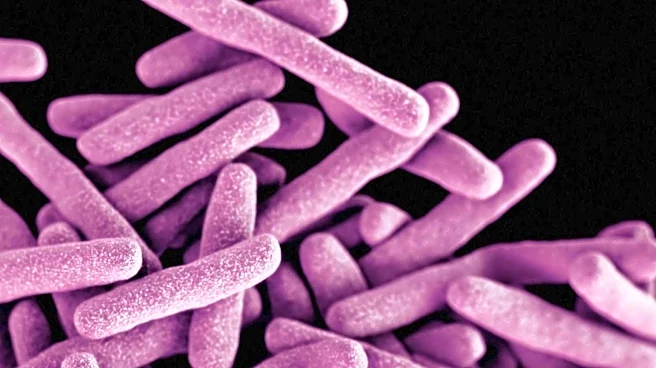
systems in large buildings as potential sources of the Legionella bacteria. The disease, a severe form of pneumonia, is treatable but can be fatal in about 10% of cases. The city has ordered the cleaning and disinfection of cooling towers in over 75 buildings, including museums and schools, to curb the spread of the bacteria.
Why It's Important?
This outbreak highlights the ongoing public health challenge posed by Legionnaires’ disease, particularly in urban environments with complex infrastructure. The focus on air-conditioning systems underscores the importance of regular maintenance and monitoring to prevent bacterial growth. The outbreak also raises concerns about the adequacy of current public health measures and the need for improved surveillance and response strategies. For residents and businesses in affected areas, the outbreak poses health risks and potential disruptions, emphasizing the need for vigilance and adherence to public health guidelines.
What's Next?
Health officials will continue to investigate the source of the outbreak and monitor the situation closely. Building owners may face increased scrutiny and potential regulatory changes to ensure compliance with health standards. Public health campaigns may be launched to educate the public on the risks and prevention of Legionnaires’ disease. The city might also explore technological solutions to enhance the detection and management of such outbreaks in the future.