






What's Happening?
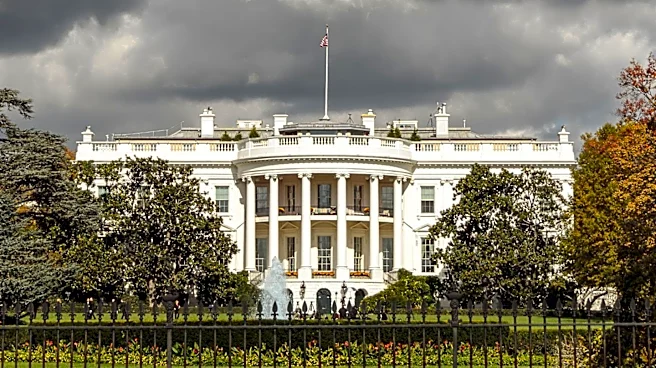
President Trump has abruptly canceled plans to sign a bipartisan housing bill, which was intended to boost home construction. This decision has increased tensions with Senate Republicans, who had hoped to use the bill as a key point in their campaign
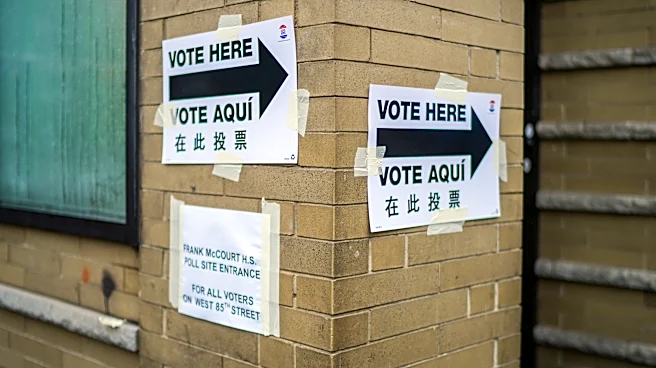
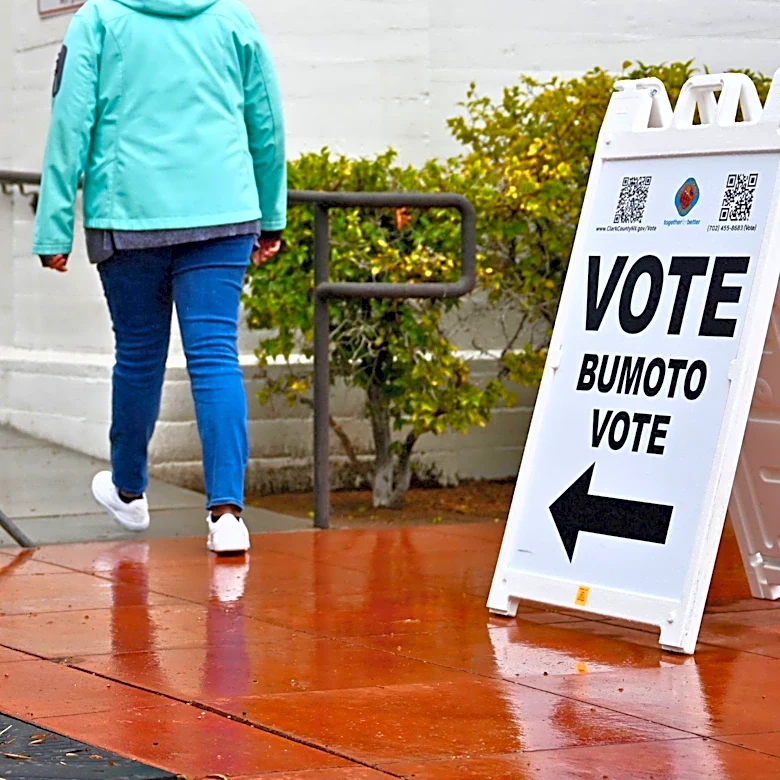
for the upcoming midterm elections. Trump announced the cancellation on social media, stating that he wants Congress to first pass the SAVE AMERICA ACT, which mandates stricter voter identification rules. This move has further highlighted the growing divide between Trump and Senate Republicans, as the housing bill was seen as a critical measure to address affordability issues, a major concern for voters. Trump's decision not to sign the bill publicly, despite previous plans to do so, suggests a deepening rift and raises questions about his influence over the Senate.
Why It's Important?
The cancellation of the housing bill signing is significant as it underscores the increasing friction between President Trump and Senate Republicans. The housing bill was a bipartisan effort aimed at addressing the housing crisis, a pressing issue for many Americans. By prioritizing the SAVE AMERICA ACT, Trump is focusing on voter ID laws, which are controversial and lack sufficient support to pass. This decision could impact the Republican Party's unity and strategy ahead of the midterm elections, potentially affecting their electoral success. The situation also reflects broader challenges within the party, as Trump continues to push for policies that may not align with the priorities of all Republican senators.
What's Next?
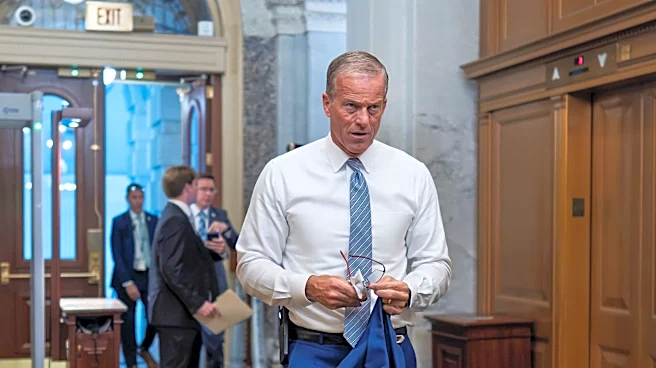
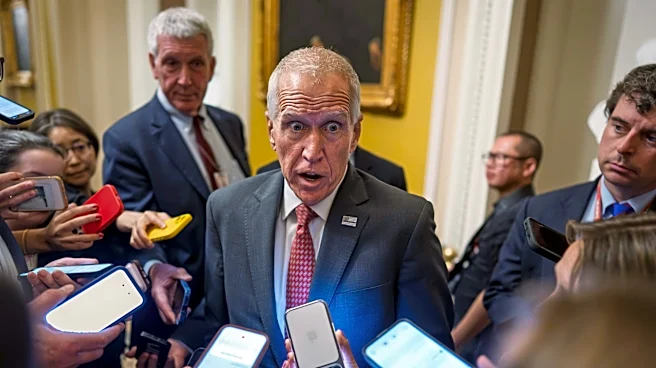
The future of the housing bill remains uncertain, as it is unclear whether Trump will veto it or if it will be revisited by Congress. The ongoing tension between Trump and Senate Republicans could lead to further divisions within the party, especially if Trump continues to push for the SAVE AMERICA ACT. Senate Majority Leader John Thune and other Republican leaders may need to navigate these challenges carefully to maintain party cohesion and address voter concerns effectively. The outcome of these internal conflicts could influence the Republican Party's strategy and success in the upcoming midterm elections.